Summer Flounder from the New Jersey Surf: A Complete Guide
How to catch summer flounder (fluke) from the New Jersey beach — when and where to go, the best rigs, baits, and retrieves, and the gear that gets it done.
Fluke in the Suds: New Jersey's Summer Surf Prize
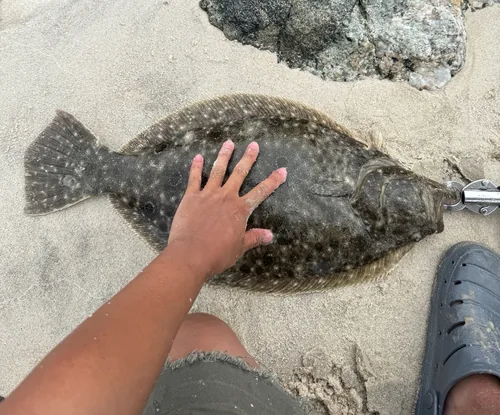
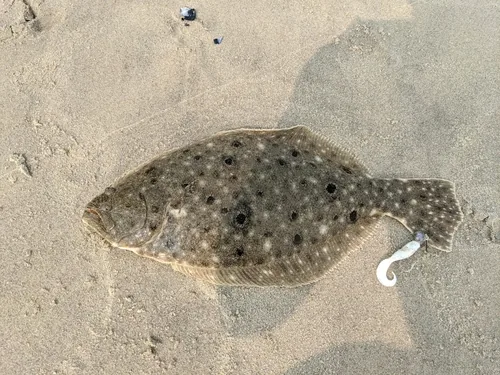
Summer flounder, called fluke up and down the Jersey Shore, are one of the most rewarding fish you can target from the beach. They are aggressive, they ambush, and they put a satisfying thump in a surf rod before they go flat and try to plane sideways in the wash. Most anglers chase fluke from a boat in the bays and inlets, but the fish move right up into the surf along the entire coast, from Sandy Hook down through Island Beach State Park and the length of LBI to Cape May. Catching a doormat with your feet in the sand is a different kind of satisfying.
This guide covers how to find them, when to go, the rigs and retrieves that produce, and the gear that makes it all work in the surf.
When to Fish the NJ Surf for Fluke
Fluke push into New Jersey waters as the ocean warms in spring and stay catchable through the summer into early fall. The surf bite tends to turn on once near-shore water climbs into the low-to-mid 60s and stays strong through the heat of summer.
A few timing notes that matter more than the calendar:
- •Moving water beats slack water. The first few hours of an incoming tide are prime in the surf, when bait gets pushed into the trough and fluke slide in to feed. The outgoing can fish well too, especially near inlets and cuts.
- •Low light is your friend. Early morning and the last hour of daylight consistently out-produce midday, though fluke will feed all day in churned-up, slightly off-color water.
- •A little structure in the sand. Fluke are not random in the surf. They sit where the bottom changes.
Always confirm the current season dates, size limit, and bag limit before you keep a fish. New Jersey's fluke regulations change year to year, and the surf is no exception. (More on the fastest way to check that at the end.)
Reading the Beach
The single biggest skill in surf fluke fishing is reading the water. Fluke are ambush predators that bury in the sand and wait for bait to wash past. That means they stack up in predictable places:
- •The trough. That deeper slot of water running parallel to the beach, between the sand and the first bar, is a fluke highway. Work it parallel rather than blasting straight out past it.
- •Cuts and rips. Wherever water drains off a bar back into the trough, bait funnels through and fluke wait below the break. A visible rip or a slick, calmer slot in the whitewater is worth a dozen casts.
- •Sloughs and bowls. Scoop-shaped depressions in the bar hold fish, especially on a dropping tide.
- •Jetty and inlet edges. The sand-to-rock transition and the moving water around inlets like Manasquan, Barnegat, and the Cape May rips are classic doormat zones.
Show up at dead low tide once and walk the beach. The structure you can see exposed at low water, the cuts, the bars, the deeper bowls, is exactly where you want your bait when the tide floods back in.
Rigs and Baits
Surf fluke fishing comes down to two approaches: bucktailing, and bait-soaking on a rig. Both catch fish. Bucktailing catches the bigger ones more often.
Bucktail + Teaser
The premier surf-fluke technique. A bucktail jig (½ oz to 2 oz depending on current and depth) tipped with a Gulp bait, with a small teaser, a fly or a second small soft plastic, dropped 12 to 18 inches above it on a dropper loop. The bucktail gets you to the bottom and casts a mile; the teaser doubles your shots and frequently out-fishes the jig itself. Doubleheaders happen.
High-Low (Fluke) Rig
Two hooks on dropper loops above a bank sinker, each baited and often dressed with a colored bead, spinner blade, or squid skirt. Cast it out, let it settle, and slow-drag it back along the bottom. Forgiving and effective, especially for anglers new to the surf.
Fishfinder Rig
A sliding sinker above a swivel, then a leader to a single hook. Lets a fluke pick up the bait and move off without feeling weight. Great with a bigger bait when you are hunting for one good fish.
For baits, the Jersey surf standards are hard to beat:
- •Gulp! soft baits (Swimming Mullet, Grub) in chartreuse, white, pink, and new penny. The scent does real work in moving water.
- •Squid strips, cut long and thin so they flutter.
- •Spearing and silversides, often paired with a squid strip in a combo.
- •Live killies (mummichogs) where you can get them, deadly on a Gulp/killie combo.
- •Fresh cut bait from anything legal you catch.
The retrieve matters as much as the bait. Cast, let it hit bottom, then work it back slowly with short lifts and drops, dragging and hopping along the sand. Most strikes come on the fall or the pause. When you feel the thump, drop the rod tip, let the fish take it, then come tight. Set too early and you pull it away from a fish that hasn't fully eaten.
Recommended Gear
You do not need a tank to catch surf fluke, but you do need to cover water, hold bottom in current, and feel a subtle bite at distance. The setup below mirrors what the CatchVault gear engine returns for flounder in the surf, a balanced spinning outfit that does exactly that.
| Component | Recommendation |
|---|---|
| Rod | 7'0"–8'6" medium, fast action |
| Reel | 3000–4000 spinning reel, open-face with a smooth drag |
| Line | 15–20 lb braid |
| Leader | 20–30 lb fluorocarbon leader |
| Lure & bait ideas | Bucktail + teaser, Gulp swimming mullet / grubs, high-low fluke rig |
Match your bucktail weight to the conditions, not a fixed number. Calm morning with light current? A ½–¾ oz bucktail keeps the presentation natural. Ripping incoming tide with a stiff side wind? Step up to 1½–2 oz to hold the bottom and stay in the strike zone. The goal is always the lightest head that still keeps you pinned to the sand.
Let CatchVault Build Your Setup
If dialing in rod, reel, line, and lures sounds like a lot to keep straight, that is exactly what the Intelligent Gear Engine in the CatchVault iOS app is for. Instead of guessing, you answer a few quick questions, the water you are fishing, the species you are after, your method, and your budget, and the engine returns a complete, matched setup: rod, reel, line, leader, and lure and bait ideas, all tuned to the target.
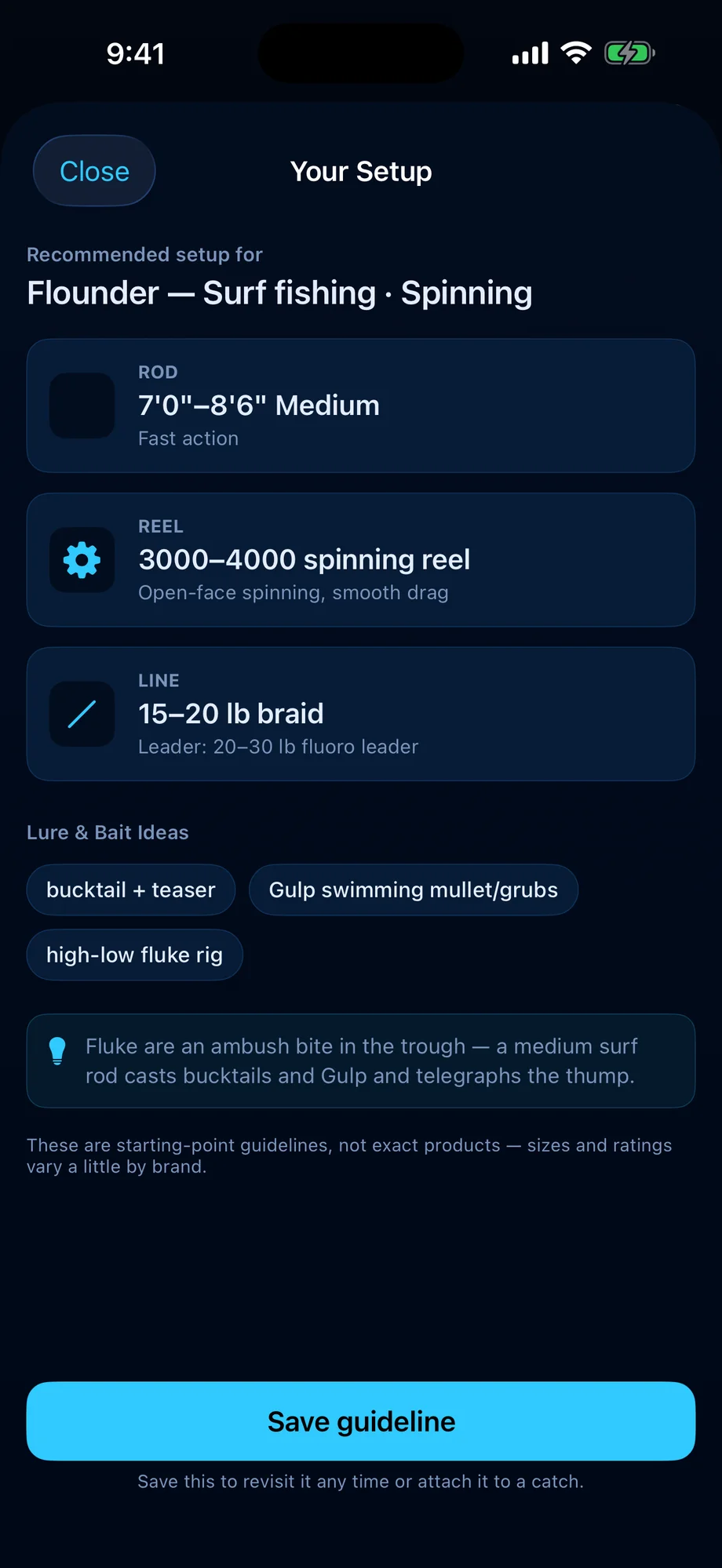
The setup in the table above is exactly what the engine returns for flounder in the surf, the same 7'0"–8'6" medium rod, 3000–4000 spinning reel, 15–20 lb braid-to-fluoro line, and fluke-specific lure ideas you see on screen. In the app you can take it further: refine it for your exact water, method, and budget, and the engine re-tunes the rod, reel, line, and lures to match. Save it to your profile to revisit any time or attach it to a catch, and your whole tacklebox goes wherever you do.
Every setup the engine builds is a starting-point guideline, not a rigid shopping list, and you can save it to your profile to revisit any time or attach it to a catch. Build one for fluke, another for stripers, another for the back bay, and your whole tacklebox lives in your pocket.
Frequently Asked Questions
When is the best time to surf fish for fluke in New Jersey?
Through the warmer months once near-shore water reaches the low-to-mid 60s. Focus on moving water, the first hours of an incoming tide are prime, and fish low light at dawn and dusk for the most consistent bite.
What size bucktail should I use in the surf?
Use the lightest bucktail that still holds the bottom in the current you are fishing, typically ½–¾ oz in calm conditions and 1½–2 oz when the tide and wind pick up. Tip it with Gulp and add a teaser above it.
Where do fluke hold in the surf?
In the trough between the beach and the first bar, in cuts and rips where water drains off the bar, in sloughs and bowls, and along jetty and inlet edges. Scout the beach at low tide to find this structure before the water covers it.
What is the daily limit for fluke in NJ?
New Jersey's size limit, bag limit, and season dates for summer flounder change year to year. Always check the current regulations before keeping a fish, the CatchVault app shows up-to-date state regulations by species.
Do I need live bait for surf fluke?
No. Gulp soft baits, squid strips, and spearing all produce well, and a bucktail-and-teaser combo with Gulp is one of the most effective surf presentations there is. Live killies are a bonus when you can get them.
Ready to Fish Smarter?
Download CatchVault free on iOS, log catches, identify species with AI, and measure fish with LiDAR.