Also known as
blacknose, Atlantic blacknose shark
IUCN status
Near ThreatenedAbout the Blacknose Shark
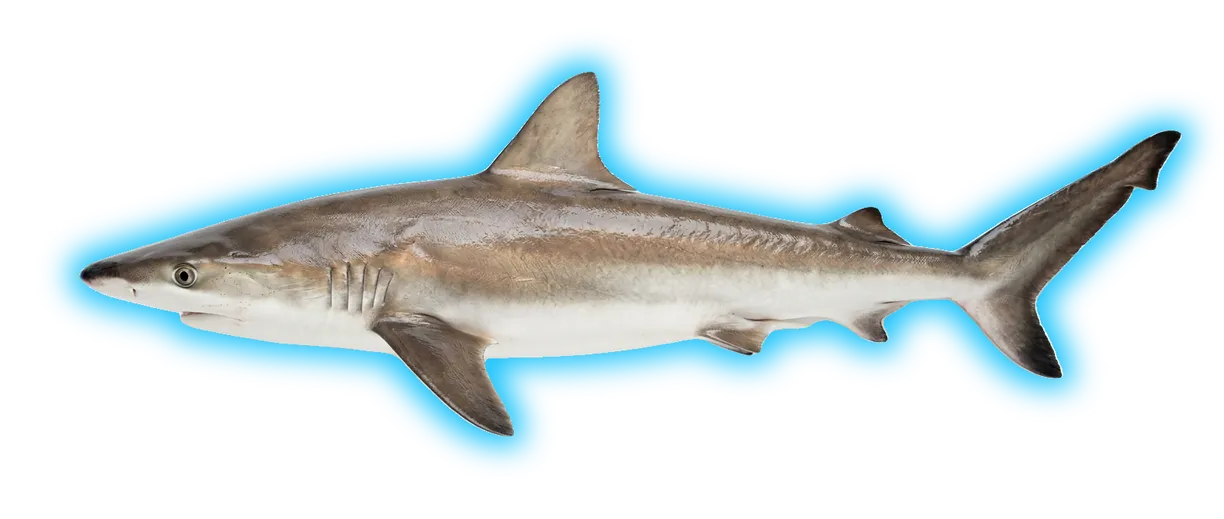
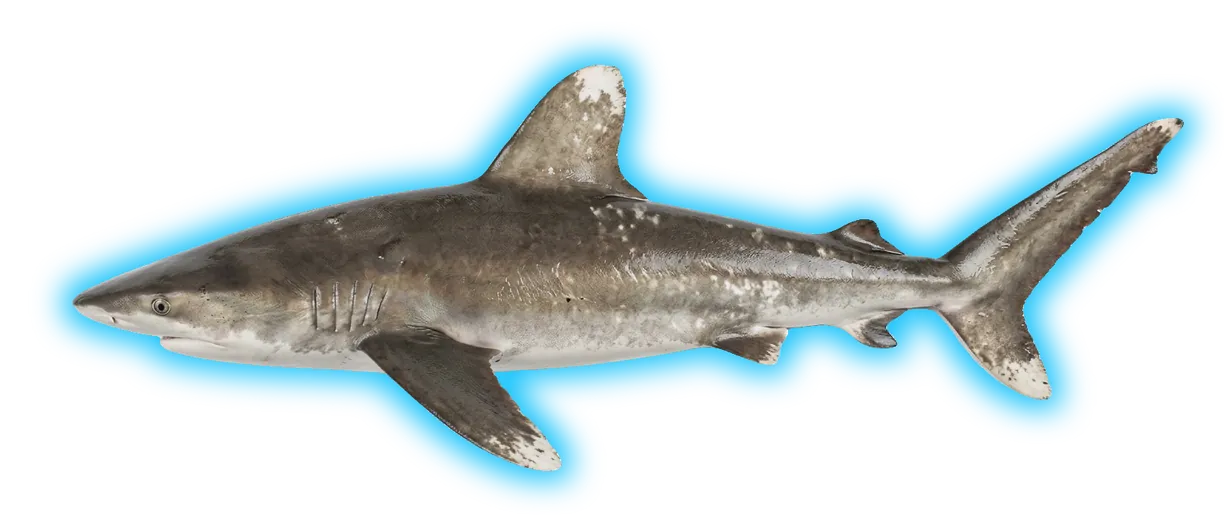
The Blacknose Shark is a relatively small and streamlined requiem shark, typically growing to about 4.3 feet (1.3 meters) in length. Its most distinctive feature is a dusky or blackish smudge on the tip of its snout, which gives the species its common name. It possesses a classic shark profile with a long, rounded snout, prominent eyes, and a small, pointed first dorsal fin. Its body coloration is generally grayish above, fading to white on the belly, helping it blend into its coastal environment.
Source: FishBase & iNaturalist
Blacknose Shark Size & Bag Limits by State
Blacknose Shark rules in 7 states.
| State | Size limit | Daily bag | Season |
|---|---|---|---|
| GeorgiaStatewide saltwaterYear-round | 54" min | 1 | Year-round |
| LouisianaStatewide saltwaterYear-round | 54" min | 1 | Year-round |
| MassachusettsStatewide saltwaterYear-round | None | 1 | Year-round |
| MississippiStatewide saltwaterYear-round | 25" min | 4 | Year-round |
| New JerseyStatewide saltwaterYear-round | None | 1 | Year-round |
| South CarolinaStatewide saltwaterYear-round | 54" min | 1 | Year-round |
| TexasStatewide saltwaterYear-round | 24" min | 1 | Year-round |
Statewide rules, or each area where a state sets limits by region. Many lakes and rivers have their own limits; pick a state or open its regulations page for water-specific rules. Always confirm with the state wildlife agency before keeping a fish.
Rules for a specific state
Pick a state to see its Blacknose Shark rules, including lakes and rivers with their own limits.
Select a state
Always confirm with the official state agency before keeping a fish.
Best bait and lures for Blacknose Shark
For Blacknose Sharks, effective baits include fresh cut fish (such as mackerel, mullet, or bonita), squid, or shrimp. A bottom-fishing rig with a strong leader, circle hooks (4/0 to 7/0), and an appropriate sinker for the current is recommended. Chumming can also be effective in attracting them to your fishing area.
Is Blacknose Shark good to eat?
★★★★★
The meat of the Blacknose Shark is edible, often described as firm and mild. Like many sharks, it requires proper bleeding and handling after capture to ensure good table quality and to minimize any ammonia-like taste.
Blacknose Shark habitat
These sharks prefer coastal environments, often found over seagrass beds, sandy flats, or rubble areas. While juveniles tend to stick to shallower waters, adult Blacknose Sharks may venture into slightly deeper coastal zones, though still remaining relatively close to shore.
Where Blacknose Shark are found
The Blacknose Shark is commonly found in the tropical and subtropical waters of the western Atlantic Ocean. Its range extends from North Carolina down through Florida and the Gulf of Mexico, to parts of the Caribbean and Brazil.
Blacknose Shark behavior
Blacknose Sharks are active, opportunistic predators, feeding primarily on small bony fishes, crustaceans, and cephalopods. They are known for their quick, darting movements when hunting prey. Anglers often encounter them near the bottom as they forage, and they can exhibit seasonal movements in response to water temperature.
Biggest Blacknose Shark
No catches logged yet for Blacknose Shark.
Be the first, download CatchVault and log your catch!
Tips & Tactics
Steelhead vs Rainbow Trout: Same Fish, Different Legal Rules
Steelhead and rainbow trout are the same species. How state laws define steelhead by length and water, the adipose fin rule, and how to tell them apart.
Almaco Jack vs Amberjack: Greater, Lesser & Rudderfish ID
Almaco jack vs greater amberjack vs lesser amberjack vs banded rudderfish: eye stripe, fin lobes, spine counts, and why a wrong ID can break size limits.
Channel vs Blue vs White vs Flathead Catfish: ID Guide
Tell channel, blue, white and flathead catfish apart by anal fin, tail and jaw, plus hardhead vs gafftop. Why the ID matters for limits and invasives.
Related Species
Think You Can Top the Leaderboard?
CatchVault is available on iPhone and Android. Download the app, log your Blacknose Shark catch, and see where you rank.