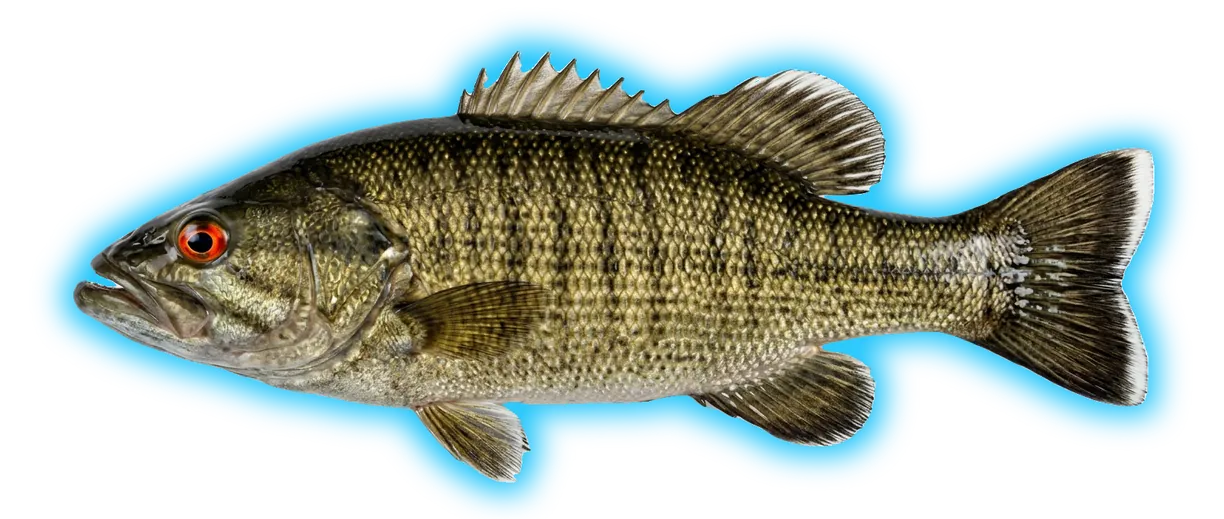
Coosa Bass
Micropterus coosae
Also known as
Redeye Bass, Coosa Redeye, Redeye
IUCN status
Least ConcernAbout the Coosa Bass
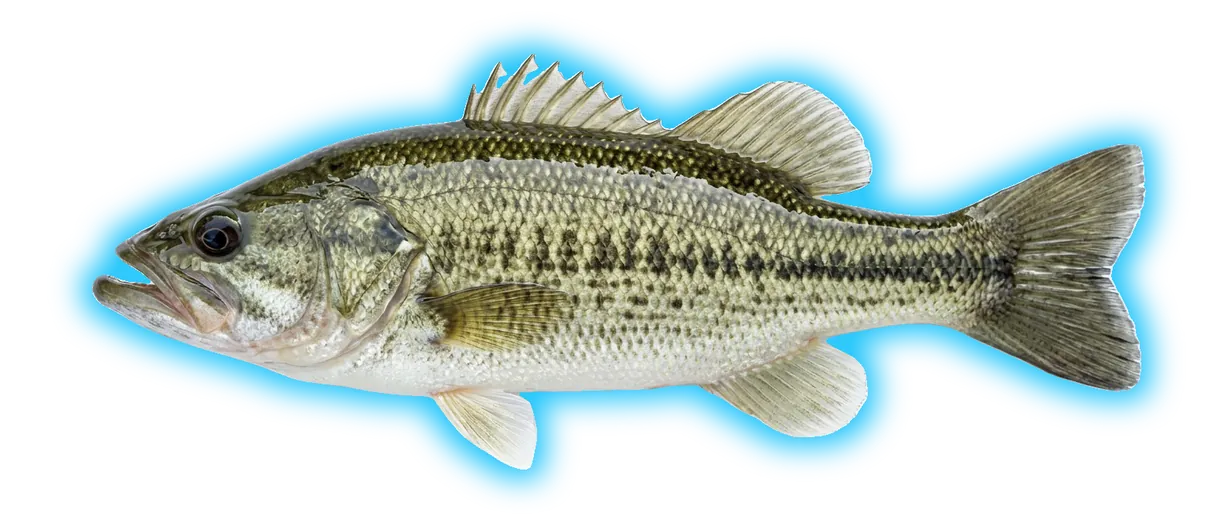
Coosa Bass are distinguished by their typically olive green to brown bodies with darker blotches or vertical bars, often fading to a lighter belly. Their most defining feature is the striking red coloration in the iris of their eyes, which gives them their common name "Redeye Bass". They possess a somewhat elongated body shape, typical of stream-dwelling black bass, and generally don't grow as large as their Largemouth cousins, rarely exceeding 3-4 pounds. This vibrant eye color is a key identifier in their native habitats.
Source: FishBase & iNaturalist
Habitat
These bass thrive in the clear, cool waters of streams and rivers, particularly in the foothill regions of mountains. They prefer areas with good current, seeking refuge around rocky structures, boulders, submerged logs, and undercut banks. Look for them in pockets behind cover and along current breaks where they can ambush prey.
Distribution
Native to the Coosa River system, their range primarily covers parts of Georgia and Alabama. They are found in tributaries and main channels exclusively within this specific river basin.
Behaviour
Coosa Bass are opportunistic predators, ambushing prey from cover rather than actively chasing it in open water. Their diet consists mainly of insects, crayfish, and smaller baitfish, making them responsive to a variety of small presentations. They are known for being aggressive strikers, especially in moving water, often hitting lures with surprising force for their size. During cooler months, they may congregate in deeper pools or slower moving sections, becoming more active in faster, shallower water as temperatures rise.
Edibility
★★★★★
Coosa Bass offer a mild, flaky white meat when cooked, comparable to other stream bass species. While not as highly prized as some panfish, they provide good table fare and are a fine addition to a shore lunch.
Lure suggestion
Anglers targeting Coosa Bass should focus on small, natural-looking presentations that mimic their primary forage. Small spinnerbaits (1/8-1/4 oz), inline spinners, micro crankbaits, and finesse jigs or soft plastics (like tubes or small worms) are highly effective. Focus on casting upstream and working your lure naturally with the current around structure such as rocks, fallen trees, and current seams.
Coosa Bass Regulations
Select a state to see size limits, bag limits, and seasons for Coosa Bass.
Select a state
Always confirm with the official state agency before keeping a fish.
Biggest Coosa Bass
No catches logged yet for Coosa Bass.
Be the first, download CatchVault and log your catch!
Tips & Tactics
Summer Flounder from the New Jersey Surf: A Complete Guide
How to catch summer flounder (fluke) from the New Jersey beach — when and where to go, the best rigs, baits, and retrieves, and the gear that gets it done.
My Review of the Hobie Fleet: What's Best for Saltwater Kayak Fishing
A hands-on review of every Hobie MirageDrive fishing kayak and which model makes the most sense for inshore and open-water saltwater fishing.
How to Jig Giant Plastic Eels for 40"+ Striped Bass
The complete guide to fishing oversized soft plastic eels for trophy striped bass — gear, technique, locations, and timing.
Related Species
Where to Catch Coosa Bass
States where Coosa Bass is found, based on CatchVault's waterbody commonality data.
Think You Can Top the Leaderboard?
CatchVault is available on iOS. Download the app, log your Coosa Bass catch, and see where you rank.