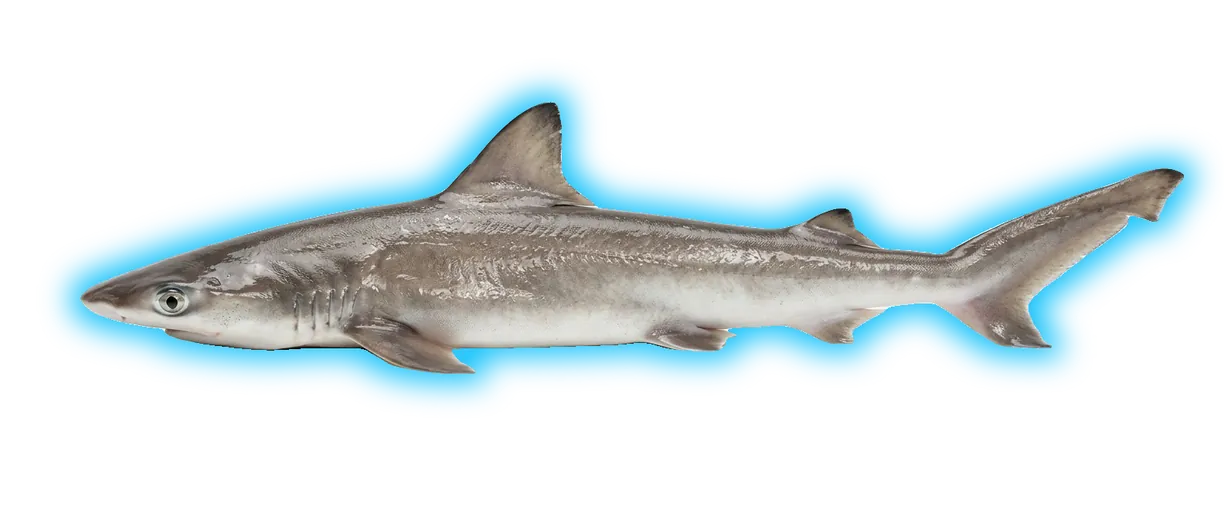
Also known as
Shovelhead
IUCN status
Least ConcernAbout the Bonnethead Shark
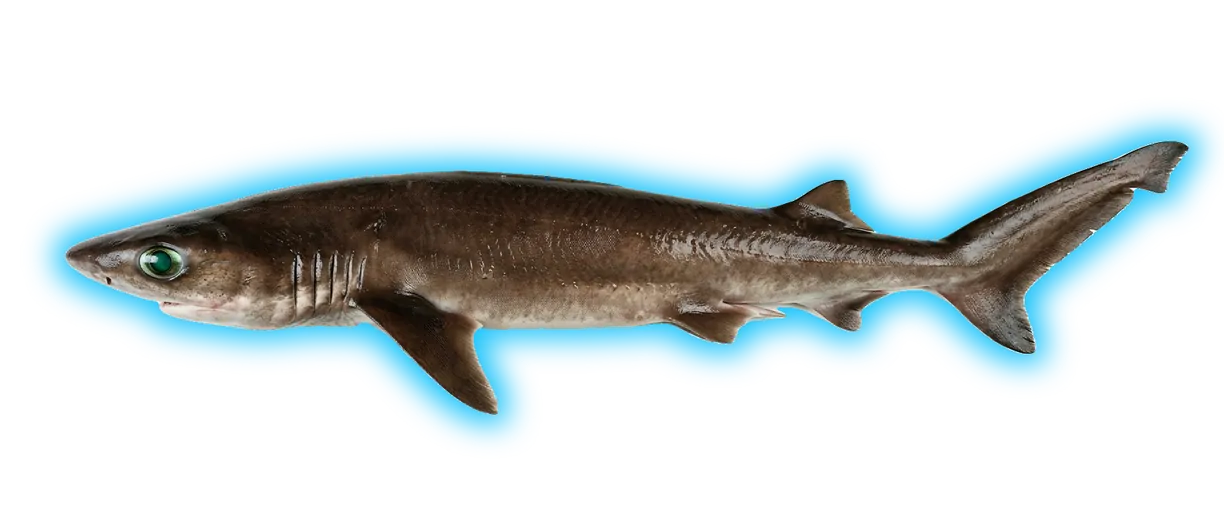
The Bonnethead Shark is a distinctive small member of the hammerhead family, easily identified by its unique, shovel-shaped head, which is broader and more rounded than other hammerheads. Its body is slender and greyish-brown on top, fading to a lighter underside, typically reaching lengths of 2-3 feet, making it one of the smaller shark species. This unique head shape aids in sensory perception across a wide field, helping them locate prey.
Source: FishBase & iNaturalist
Bonnethead Shark Size & Bag Limits by State
Bonnethead Shark rules in 9 states.
| State | Size limit | Daily bag | Season |
|---|---|---|---|
| AlabamaStatewide saltwaterYear-round | None | 1 | Year-round |
| GeorgiaStatewide saltwaterYear-round | 30" min | 1 | Year-round |
| LouisianaStatewide saltwaterYear-round | None | 1 | Year-round |
| MassachusettsStatewide saltwaterYear-round | None | 2 | Year-round |
| MississippiStatewide saltwaterYear-round | 25" min | 4 | Year-round |
| New JerseyStatewide saltwaterYear-round | None | 1 | Year-round |
| North CarolinaYear-round · Year-round closed | None | 0 | Year-round · Year-round closed |
| South CarolinaStatewide saltwaterYear-round | None | 1 | Year-round |
| TexasStatewide saltwaterYear-round | 24" min | 1 | Year-round |
Statewide rules, or each area where a state sets limits by region. Many lakes and rivers have their own limits; pick a state or open its regulations page for water-specific rules. Always confirm with the state wildlife agency before keeping a fish.
Rules for a specific state
Pick a state to see its Bonnethead Shark rules, including lakes and rivers with their own limits.
Select a state
Always confirm with the official state agency before keeping a fish.
Best bait and lures for Bonnethead Shark
For Bonnethead Sharks, natural baits are most effective. Small pieces of fresh shrimp, cut fish, or crab rigged on a small J-hook or circle hook with a light leader and a small weight are excellent choices. Simple bottom rigs or float rigs fished in shallow grassy areas where they feed will entice bites. They can also be caught on small artificial lures mimicking crustaceans or baitfish.
Is Bonnethead Shark good to eat?
★★★★★
Bonnetheads offer firm, white, mild-flavored meat when properly cared for. It's often prepared grilled, fried, or broiled. As with all sharks, proper bleeding and icing immediately after capture are essential for the best eating quality.
Bonnethead Shark habitat
These sharks are commonly found in shallow, warm coastal waters. They frequent estuaries, bays, mangrove-lined channels, and grass flats, often in depths of less than 30 feet, showing a preference for brackish or saline environments.
Where Bonnethead Shark are found
They are abundant along the American littoral, ranging from the southeastern United States down through the Gulf of Mexico, Caribbean, and along the coasts of Central and South America on both the Atlantic and Pacific sides.
Bonnethead Shark behavior
Bonnethead Sharks are opportunistic feeders, primarily preying on crabs, shrimp, and small fish, which they detect using their broad, sensory-rich heads. They are active during the day, often foraging in groups across shallow flats. These sharks are known to be quite curious and will readily investigate baits, making them accessible to anglers.
Biggest Bonnethead Shark
No catches logged yet for Bonnethead Shark.
Be the first, download CatchVault and log your catch!
Tips & Tactics
Steelhead vs Rainbow Trout: Same Fish, Different Legal Rules
Steelhead and rainbow trout are the same species. How state laws define steelhead by length and water, the adipose fin rule, and how to tell them apart.
Channel vs Blue vs White vs Flathead Catfish: ID Guide
Tell channel, blue, white and flathead catfish apart by anal fin, tail and jaw, plus hardhead vs gafftop. Why the ID matters for limits and invasives.
Alewife vs Blueback Herring: River Herring & Shad ID Guide
How to tell alewife from blueback herring, and both from American, hickory and gizzard shad, plus why river herring harvest is closed in many states.
Related Species
Think You Can Top the Leaderboard?
CatchVault is available on iPhone and Android. Download the app, log your Bonnethead Shark catch, and see where you rank.