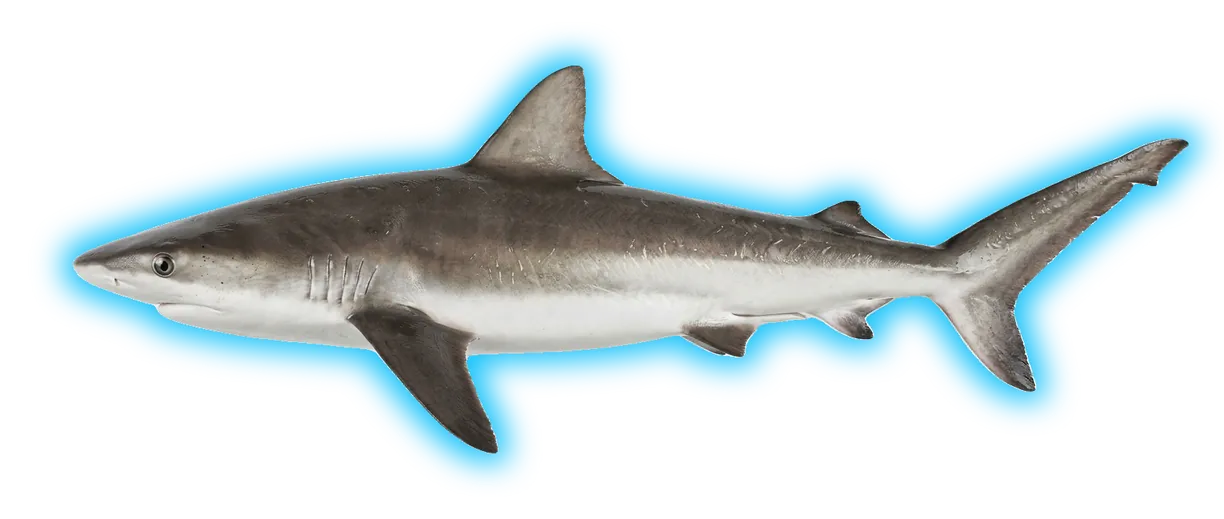
Galapagos Shark
Carcharhinus galapagensis
Also known as
null
IUCN status
EndangeredAbout the Galapagos Shark
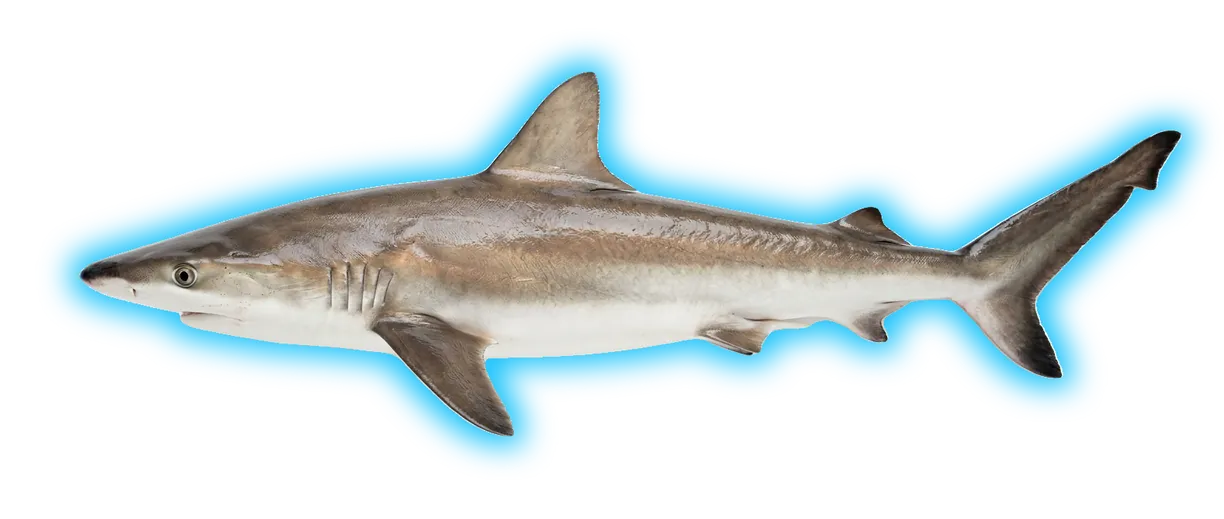
A large species that often reaches 3.0 m (9.8 ft), the Galapagos Shark has a typical fusiform "reef shark" shape and is very difficult to distinguish from the dusky shark and the grey reef shark. Its powerful, streamlined body is characteristic of oceanic sharks, built for efficiency in open waters. Anglers can identify it by its robust build and often by its presence in specific oceanic island environments, though positive identification without close examination can be challenging. Look for its robust, dark gray body with a lighter belly and no prominent markings.
Source: FishBase & iNaturalist
Habitat
This species favors clear reef environments around oceanic islands, where it is often the most abundant shark species. They are commonly found in shallow coastal waters but also range into deeper offshore areas around these island systems, often patrolling steep drop-offs.
Distribution
Primarily found in tropical and subtropical waters around oceanic islands worldwide, including the Galapagos, Revillagigedo, Cocos, and many Pacific islands. Its global distribution highlights its adaptation to remote, open ocean island ecosystems.
Behaviour
The Galapagos Shark is an apex predator, actively hunting a variety of bony fishes, other sharks, and cephalopods. They are known to be curious and bold, often approaching boats and divers, displaying a confident demeanor. These powerful swimmers are constantly on the move, patrolling reef edges and drop-offs in search of prey, displaying characteristic cruising and sometimes aggressive feeding patterns, especially in competitive environments.
Edibility
★★★★★
While sometimes harvested for its meat, the Galapagos Shark is not typically considered premium table fare, often having a coarser texture. Its flesh can contain high levels of urea, requiring proper processing to be palatable, which deters many from consuming it.
Lure suggestion
Targeting these powerful sharks requires heavy-duty tackle, including stout rods, large conventional reels spooled with strong braided line (80-130 lb test), and wire leaders. Large cut baits such as tuna, mackerel, or bonito, fished on a strong circle hook (16/0-20/0) with a float or suspended under a balloon, are highly effective. Anglers should be prepared for a strong, prolonged fight, as these sharks are renowned for their incredible strength and stamina.
Galapagos Shark Regulations
Select a state to see size limits, bag limits, and seasons for Galapagos Shark.
Select a state
Always confirm with the official state agency before keeping a fish.
Biggest Galapagos Shark
No catches logged yet for Galapagos Shark.
Be the first, download CatchVault and log your catch!
Tips & Tactics
Summer Flounder from the New Jersey Surf: A Complete Guide
How to catch summer flounder (fluke) from the New Jersey beach — when and where to go, the best rigs, baits, and retrieves, and the gear that gets it done.
My Review of the Hobie Fleet: What's Best for Saltwater Kayak Fishing
A hands-on review of every Hobie MirageDrive fishing kayak and which model makes the most sense for inshore and open-water saltwater fishing.
How to Jig Giant Plastic Eels for 40"+ Striped Bass
The complete guide to fishing oversized soft plastic eels for trophy striped bass — gear, technique, locations, and timing.
Related Species
Think You Can Top the Leaderboard?
CatchVault is available on iOS. Download the app, log your Galapagos Shark catch, and see where you rank.