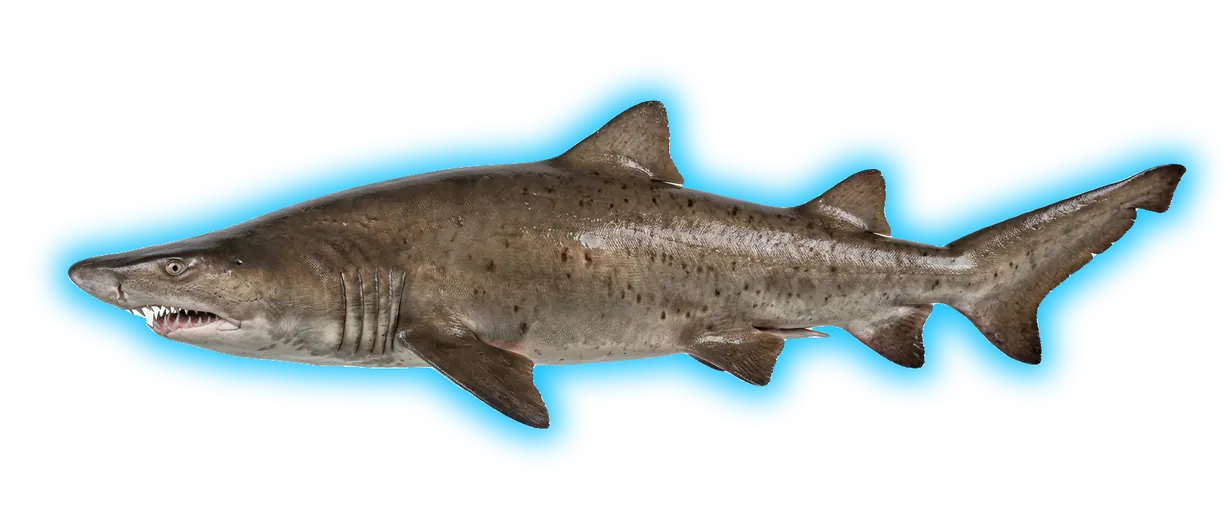
Sand Tiger Shark
Also known as
Ragged-tooth shark, Grey nurse shark
IUCN status
VulnerableAbout the Sand Tiger Shark
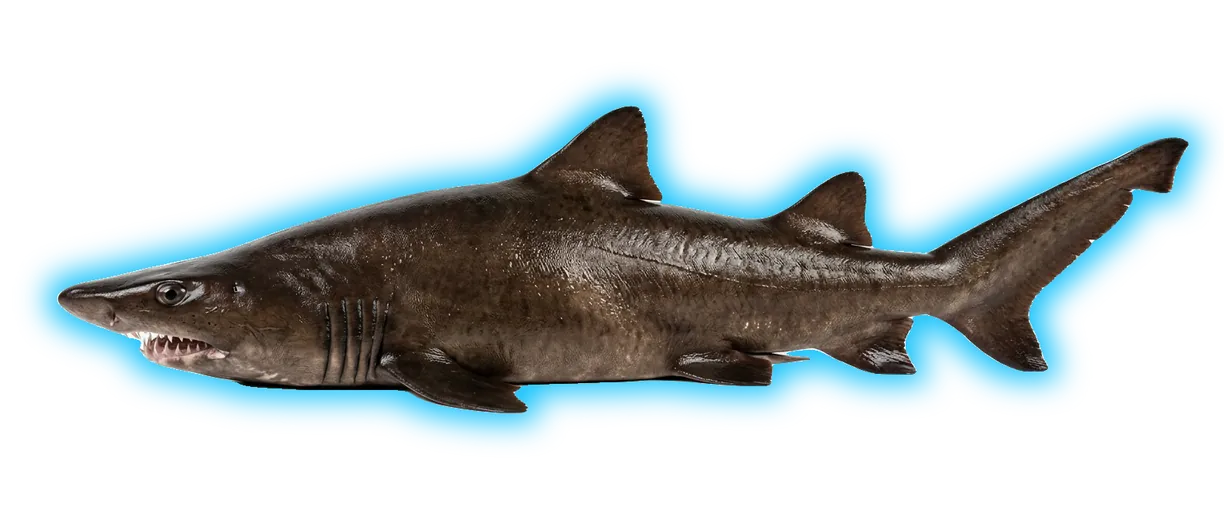
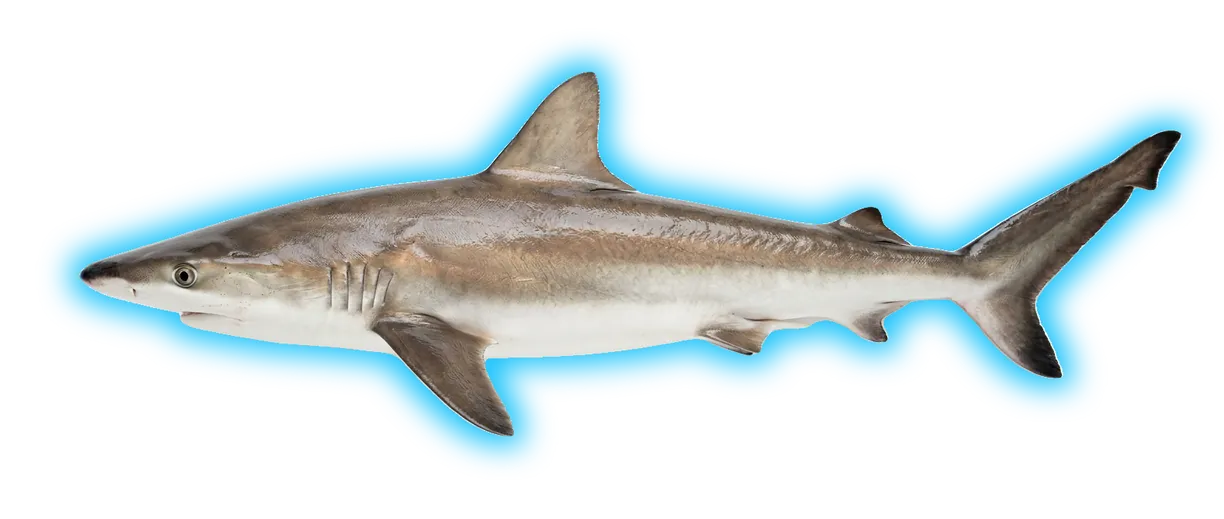
The Sand Tiger Shark is easily recognized by its strikingly slender, pointed teeth that protrude from its mouth even when closed, giving it a fierce appearance. Despite this, it is generally considered docile towards humans. Its body is robust, often brownish-grey on the back, fading to a lighter underside, and juveniles may display dark spots that fade with age. It possesses two large dorsal fins of similar size, set far back on its body, and a distinctive, elongated upper caudal fin lobe.
Source: FishBase & iNaturalist
Habitat
These sharks prefer shallow, coastal waters, often found near sandy shorelines, surf zones, bays, and estuaries. They are frequently associated with rocky reefs, shipwrecks, and submerged structures where prey congregates. During the day, they are often seen resting near the bottom or in caves.
Distribution
Sand Tiger Sharks are widely distributed in temperate and tropical waters across the Atlantic, Indian, and Western Pacific Oceans. They are commonly found along the East Coasts of North and South America, parts of Africa, and Australia.
Behaviour
Primarily nocturnal hunters, Sand Tiger Sharks cruise slowly along the bottom, preying on bony fish, skates, small sharks, and crustaceans. They are unique among sharks for their ability to gulp air at the surface and store it in their stomachs, allowing them to maintain neutral buoyancy and hover almost motionless in the water column. They undertake seasonal migrations, moving to warmer waters in winter and cooler waters in summer.
Edibility
★★★★★
While occasionally consumed, the flesh of the Sand Tiger Shark is generally considered fair to poor. It can have a strong, ammoniated taste due to urea content if not properly bled and handled immediately after capture.
Lure suggestion
Targeting Sand Tiger Sharks typically involves bottom fishing with large, fresh cut bait such as mackerel, bunker, or mullet, or using live bait like smaller fish or squid. Heavy-duty conventional tackle, strong monofilament or fluorocarbon leaders, and large circle hooks (8/0 or larger) are essential to safely land these powerful sharks. Fish in their preferred coastal habitats, especially around structure or at night.
Sand Tiger Shark Regulations
Select a state to see size limits, bag limits, and seasons for Sand Tiger Shark.
Select a state
Always confirm with the official state agency before keeping a fish.
Biggest Sand Tiger Shark
No catches logged yet for Sand Tiger Shark.
Be the first, download CatchVault and log your catch!
Tips & Tactics
Summer Flounder from the New Jersey Surf: A Complete Guide
How to catch summer flounder (fluke) from the New Jersey beach — when and where to go, the best rigs, baits, and retrieves, and the gear that gets it done.
My Review of the Hobie Fleet: What's Best for Saltwater Kayak Fishing
A hands-on review of every Hobie MirageDrive fishing kayak and which model makes the most sense for inshore and open-water saltwater fishing.
How to Jig Giant Plastic Eels for 40"+ Striped Bass
The complete guide to fishing oversized soft plastic eels for trophy striped bass — gear, technique, locations, and timing.
Related Species
Where to Catch Sand Tiger Shark
States where Sand Tiger Shark is found, based on CatchVault's waterbody commonality data.
Think You Can Top the Leaderboard?
CatchVault is available on iOS. Download the app, log your Sand Tiger Shark catch, and see where you rank.