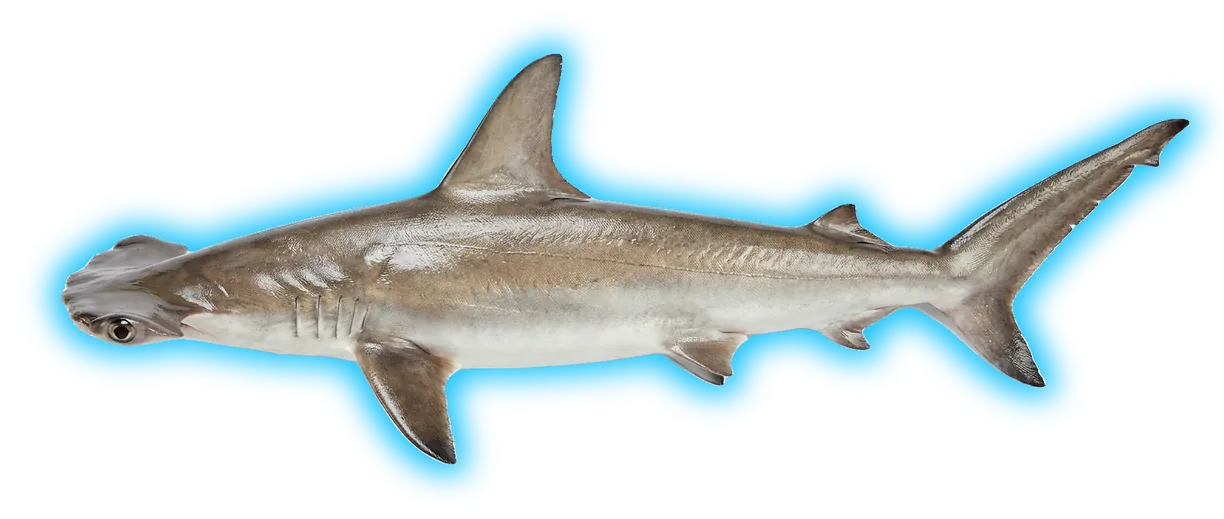
Scalloped Hammerhead Shark
Sphyrna lewini
Also known as
Bronze Hammerhead, Kopere, Southern Hammerhead
IUCN status
Critically EndangeredAbout the Scalloped Hammerhead Shark
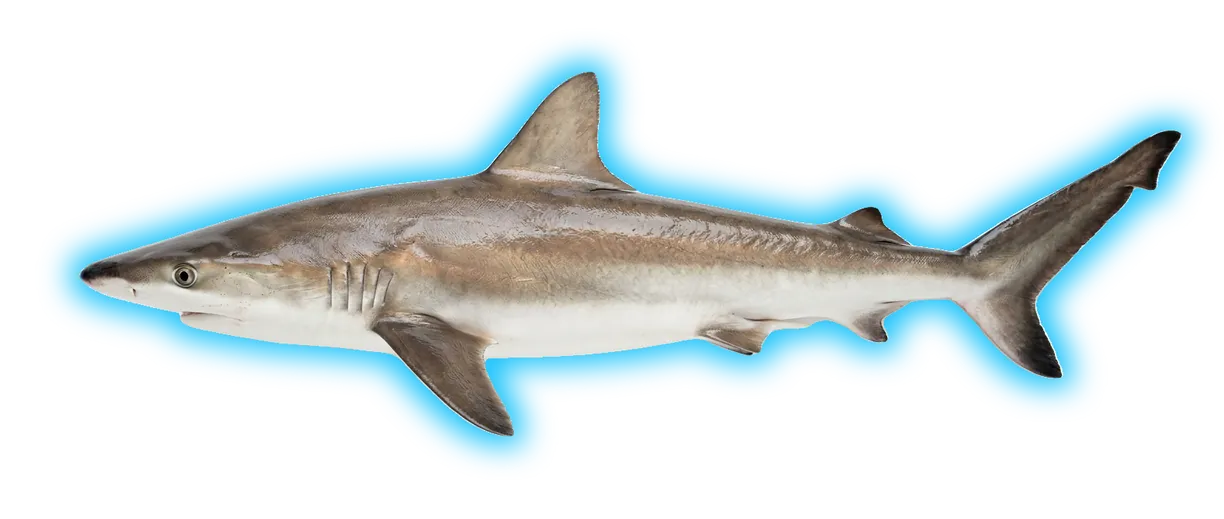
The Scalloped Hammerhead is easily recognized by its distinctive 'hammer' shaped head, called a cephalofoil, which has a prominent indentation in the center of its front margin. Its eyes and nostrils are positioned at the tips of this hammer, aiding in sensory perception. The body is typically slender with a high, curved dorsal fin, and its coloration ranges from bronze to brownish-gray on top, fading to white underneath, providing camouflage in its pelagic environment. These sharks can grow to impressive sizes, making them a powerful catch for any angler.
Source: FishBase & iNaturalist
Habitat
This species prefers warm temperate and tropical waters, often found near coastal areas, continental shelves, and oceanic islands. They frequently aggregate around reefs, seamounts, and estuaries, especially as juveniles. While often encountered offshore, they can also venture into shallower, inshore waters.
Distribution
Scalloped Hammerheads have a wide global distribution, inhabiting tropical and warm temperate oceans worldwide. They are found in the Atlantic, Pacific, and Indian Oceans, typically between 40°N and 40°S latitudes.
Behaviour
Scalloped Hammerheads are active, opportunistic predators, primarily feeding on a variety of bony fishes, cephalopods like squid and octopus, and other sharks and rays. They are known to form large schools, especially during migrations or for reproductive purposes, but hunt solitarily or in smaller groups. They undertake seasonal migrations, moving to cooler waters in summer and warmer waters in winter. Their unique cephalofoil is believed to enhance their hunting abilities, especially for detecting prey.
Edibility
★★★★★
The meat of the Scalloped Hammerhead is considered edible, with a firm, white flesh, though it can sometimes have a strong flavor if not properly bled and handled. Due to their position as apex predators, they can accumulate high levels of mercury, which is a significant health concern, and conservation status often prompts catch-and-release.
Lure suggestion
Targeting Scalloped Hammerheads often involves heavy tackle due to their size and power. Effective baits include large live fish such as bonito, mackerel, or ladyfish, or substantial chunks of fresh cut bait like tuna or bonito. Rigging typically involves a strong wire leader of at least 200-400 lb test, a large circle hook (16/0 to 20/0), and often a float to keep the bait suspended. Chumming with oily fish can also be very effective at drawing them in. They are often caught by anglers fishing for other large pelagic species.
Scalloped Hammerhead Shark Regulations
Select a state to see size limits, bag limits, and seasons for Scalloped Hammerhead Shark.
Select a state
Always confirm with the official state agency before keeping a fish.
Biggest Scalloped Hammerhead Shark
No catches logged yet for Scalloped Hammerhead Shark.
Be the first, download CatchVault and log your catch!
Tips & Tactics
Summer Flounder from the New Jersey Surf: A Complete Guide
How to catch summer flounder (fluke) from the New Jersey beach — when and where to go, the best rigs, baits, and retrieves, and the gear that gets it done.
My Review of the Hobie Fleet: What's Best for Saltwater Kayak Fishing
A hands-on review of every Hobie MirageDrive fishing kayak and which model makes the most sense for inshore and open-water saltwater fishing.
How to Jig Giant Plastic Eels for 40"+ Striped Bass
The complete guide to fishing oversized soft plastic eels for trophy striped bass — gear, technique, locations, and timing.
Related Species
Think You Can Top the Leaderboard?
CatchVault is available on iOS. Download the app, log your Scalloped Hammerhead Shark catch, and see where you rank.