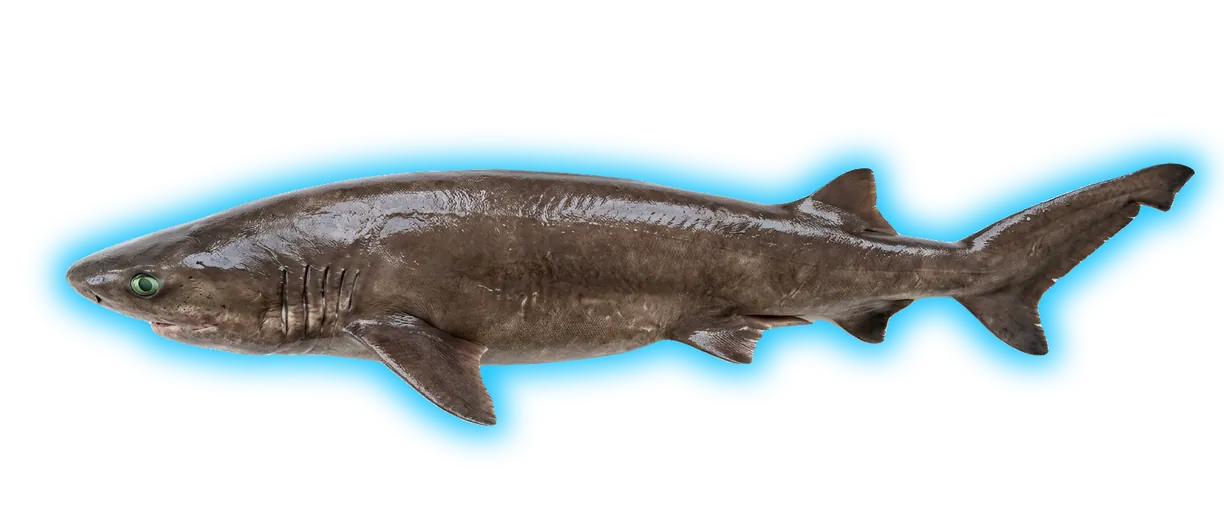
Sixgill Shark
Also known as
Bluntnose Sixgill Shark, Cow Shark, Mud Shark
IUCN status
Near ThreatenedAbout the Sixgill Shark
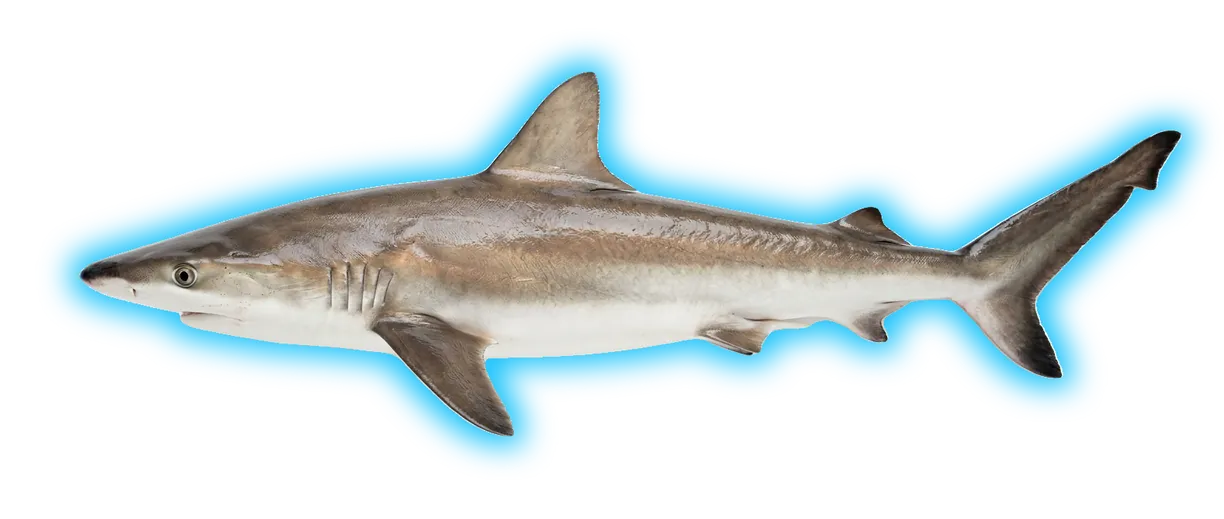
This prehistoric-looking shark is easily identified by its six long gill slits, a distinguishing feature among most sharks that only have five. It possesses a broad, blunt snout, large green eyes, and a single dorsal fin positioned far back on its body, close to the tail. Adults can reach impressive lengths of over 15 feet, sporting a grey, brown, or olive coloration on top that lightens to white or cream below. Their powerful, elongated body is built for cruising the deep.
Source: FishBase & iNaturalist
Habitat
The Sixgill Shark is a true deepwater dweller, primarily inhabiting the continental and insular shelves and slopes. They are typically found near the seafloor, ranging from shallow depths of a few hundred feet all the way down to over 8,000 feet, often making nocturnal ascents into shallower waters to feed.
Distribution
These impressive sharks boast a widespread, cosmopolitan distribution, populating temperate and tropical oceans across the globe.
Behaviour
Primarily nocturnal hunters, Sixgill Sharks ascend from the deep at night to forage for food in shallower areas. Their diet is diverse, including a variety of bony fish, other sharks, rays, squid, crabs, and even seals or carrion. While generally slow-moving, they are capable of surprising bursts of speed to ambush unsuspecting prey.
Edibility
★★★★★
The meat of the Sixgill Shark is generally not considered desirable table fare. It can have a strong, 'sharky' flavor, often described as ammoniated, especially if not bled and processed immediately. It is rarely targeted for consumption by recreational anglers.
Lure suggestion
Anglers targeting Sixgill Sharks require extremely heavy tackle due to their size and deepwater habitat. Large, natural baits such as whole or substantial cut sections of oily fish (like tuna, mackerel, or salmon heads), or ray wings, are most effective. These should be presented on the bottom using robust circle hooks or J-hooks, paired with heavy wire leaders and strong braided mainline, often deployed with deep drop rigs. Chumming can help attract these elusive predators.
Sixgill Shark Regulations
Select a state to see size limits, bag limits, and seasons for Sixgill Shark.
Select a state
Always confirm with the official state agency before keeping a fish.
Biggest Sixgill Shark
No catches logged yet for Sixgill Shark.
Be the first, download CatchVault and log your catch!
Tips & Tactics
Summer Flounder from the New Jersey Surf: A Complete Guide
How to catch summer flounder (fluke) from the New Jersey beach — when and where to go, the best rigs, baits, and retrieves, and the gear that gets it done.
My Review of the Hobie Fleet: What's Best for Saltwater Kayak Fishing
A hands-on review of every Hobie MirageDrive fishing kayak and which model makes the most sense for inshore and open-water saltwater fishing.
How to Jig Giant Plastic Eels for 40"+ Striped Bass
The complete guide to fishing oversized soft plastic eels for trophy striped bass — gear, technique, locations, and timing.
Related Species
Think You Can Top the Leaderboard?
CatchVault is available on iOS. Download the app, log your Sixgill Shark catch, and see where you rank.