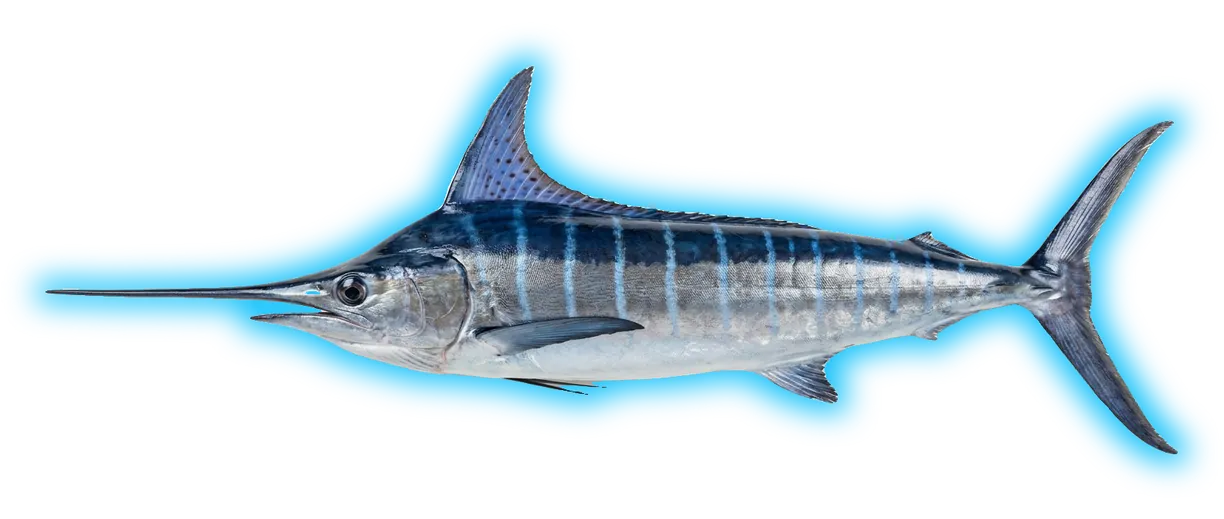
Also known as
Pacific Striped Marlin, Striper, Speardish
About the Striped Marlin
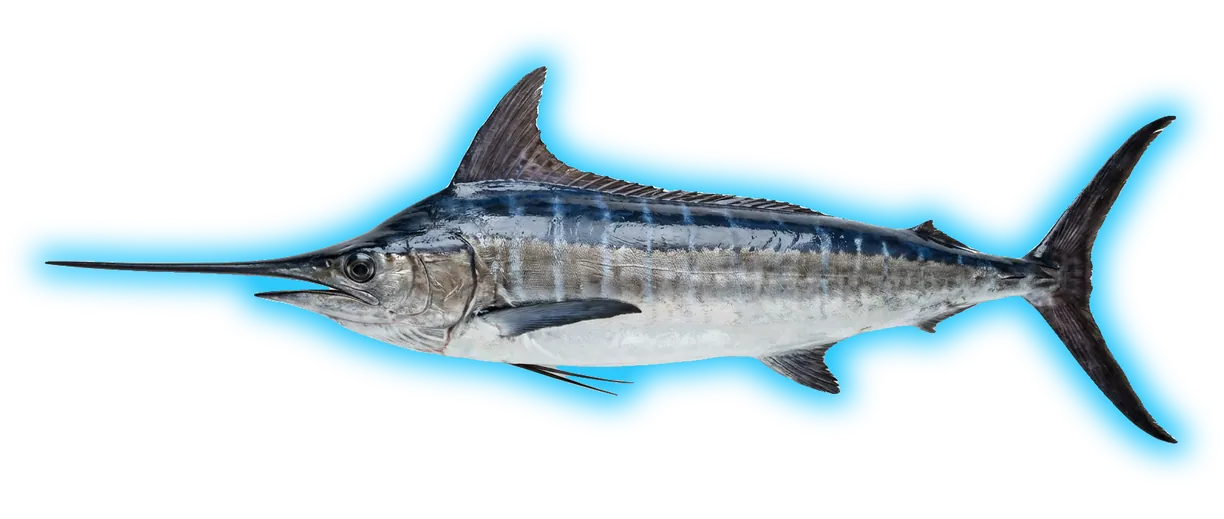
The Striped Marlin is a magnificent pelagic fish, instantly recognizable by its long, pointed bill and the vibrant, iridescent blue stripes that often flash along its flanks when excited. Its dorsal side is a deep blue, transitioning to silvery-white on its belly, built for incredible speed and agility. Reaching impressive sizes, with a maximum recorded length of 4.2 meters (13.8 ft) and a weight of up to 190 kg (420 lb), it is a formidable and highly sought-after game fish.
Source: FishBase & iNaturalist
Striped Marlin Size & Bag Limits by State
Striped Marlin rules in 2 states.
| State | Size limit | Daily bag | Season |
|---|---|---|---|
| CaliforniaStatewide saltwaterYear-round | None | 1 | Year-round |
| OregonStatewide saltwaterYear-round | None | 25 | Year-round |
Statewide rules, or each area where a state sets limits by region. Many lakes and rivers have their own limits; pick a state or open its regulations page for water-specific rules. Always confirm with the state wildlife agency before keeping a fish.
Rules for a specific state
Pick a state to see its Striped Marlin rules, including lakes and rivers with their own limits.
Select a state
Always confirm with the official state agency before keeping a fish.
Best bait and lures for Striped Marlin
For Striped Marlin, trolling a spread of colourful skirted lures is incredibly effective, varying sizes and depths to mimic local bait. Live bait, such as mackerel, skipjack tuna, or scad, slow-trolled or presented via kite, is also a prime tactic. Focus efforts around current lines, temperature breaks, and areas showing signs of baitfish.
Is Striped Marlin good to eat?
★★★★★
The meat of the Striped Marlin is firm, white, and boasts a mild, delicious flavor, making it excellent for grilling, searing, or smoking. While highly prized as a sport fish, it also provides superb table fare, often compared favorably to swordfish.
Striped Marlin habitat
These ocean wanderers inhabit the open waters of tropical and temperate Indo-Pacific oceans, typically ranging from nearshore reefs to the vast open sea. They prefer areas not far from the surface, often congregating around oceanic islands, seamounts, and current lines where baitfish are abundant.
Where Striped Marlin are found
Their extensive geographic range covers the entire Indo-Pacific region, from the eastern Pacific off the Americas to the coasts of Africa, and throughout the islands of Oceania. They are highly migratory, following warm ocean currents and baitfish movements across vast distances.
Striped Marlin behavior
Striped Marlins are aggressive and active daytime predators, hunting in the top 100 meters of the water column, often near the surface. They feed on a variety of prey, including schooling baitfish, squid, and crustaceans. Renowned for their spectacular aerial acrobatics and blistering runs when hooked, they offer an unparalleled angling challenge.
Biggest Striped Marlin
No catches logged yet for Striped Marlin.
Be the first, download CatchVault and log your catch!
Tips & Tactics
Steelhead vs Rainbow Trout: Same Fish, Different Legal Rules
Steelhead and rainbow trout are the same species. How state laws define steelhead by length and water, the adipose fin rule, and how to tell them apart.
Channel vs Blue vs White vs Flathead Catfish: ID Guide
Tell channel, blue, white and flathead catfish apart by anal fin, tail and jaw, plus hardhead vs gafftop. Why the ID matters for limits and invasives.
Alewife vs Blueback Herring: River Herring & Shad ID Guide
How to tell alewife from blueback herring, and both from American, hickory and gizzard shad, plus why river herring harvest is closed in many states.
Related Species
Think You Can Top the Leaderboard?
CatchVault is available on iPhone and Android. Download the app, log your Striped Marlin catch, and see where you rank.