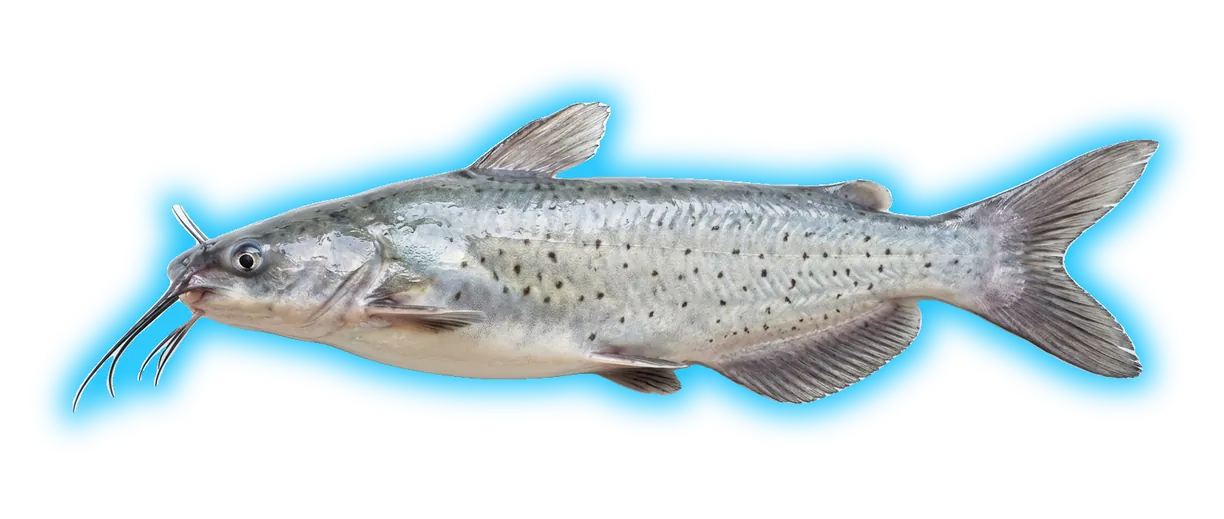
Channel Catfish
Ictalurus punctatus
World Record
40" · 58 lbs
Also known as
Channel Cat, Spotted Cat, Forked-tail Cat, River Cat
About the Channel Catfish
Channel Catfish are easily recognized by their deeply forked tail, which distinguishes them from other North American catfish species. Younger fish often display distinct dark spots along their sides, which tend to fade as they mature. Their sleek, streamlined bodies are typically olive-green to blue-gray on top, transitioning to a white belly. Long, sensitive barbels surround their wide mouths, aiding in sensing food in murky waters. They possess sharp dorsal and pectoral fins, characteristic of the catfish family.
Source: FishBase & iNaturalist
Habitat
These adaptable fish thrive in a variety of freshwater environments, favoring large rivers, streams, lakes, and reservoirs. They often inhabit deeper channels, eddies, and areas with submerged structure like logs or rocks. While tolerant of diverse water conditions, they prefer areas with moderate current or access to deeper, cooler water.
Distribution
Channel Catfish are native to North America and are the continent's most numerous catfish species, found extensively across the central and eastern United States. Their range extends from southern Canada down to northern Mexico, and they have been widely introduced elsewhere due to their popularity.
Behaviour
Primarily nocturnal feeders, Channel Catfish use their keen sense of smell and touch to locate food, often patrolling the bottom for opportunistic meals. Their diet is diverse, including insects, crustaceans, small fish, and detritus, making them effective scavengers. They are active year-round, moving into shallower, warmer waters to feed and spawn during warmer months, and retreating to deeper pools during colder periods. Anglers often find them most active during dawn, dusk, and throughout the night.
Edibility
★★★★★
Channel Catfish are highly prized for their mild, flaky white flesh, making them excellent table fare, especially smaller to medium-sized individuals. They have a clean taste, particularly when harvested from clean water, and can be prepared in numerous ways, from frying to baking.
Lure suggestion
Anglers targeting Channel Catfish find great success with a variety of natural baits, including cut bait (shad, herring), chicken livers, shrimp, nightcrawlers, and commercially prepared stink baits or dough baits. A simple bottom rig, such as a Carolina rig with a circle hook, is highly effective, allowing the bait to rest on the bottom where catfish feed. Focus on fishing near submerged cover, channel edges, and deep holes in rivers and lakes, particularly during low-light conditions.
Channel Catfish Regulations
Select a state to see size limits, bag limits, and seasons for Channel Catfish.
Select a state
Always confirm with the official state agency before keeping a fish.
Recent Catches
Biggest Channel Catfish
Tips & Tactics
Live Bait Fishing: The Ultimate Guide
Everything about live bait fishing — minnows, worms, shrimp, crickets, and how to rig them for different species.
Bottom Fishing: Rigs, Baits, and Techniques
How to bottom fish for catfish, flounder, snapper, and other bottom-dwelling species. Covers rigs and bait selection.
Related Species
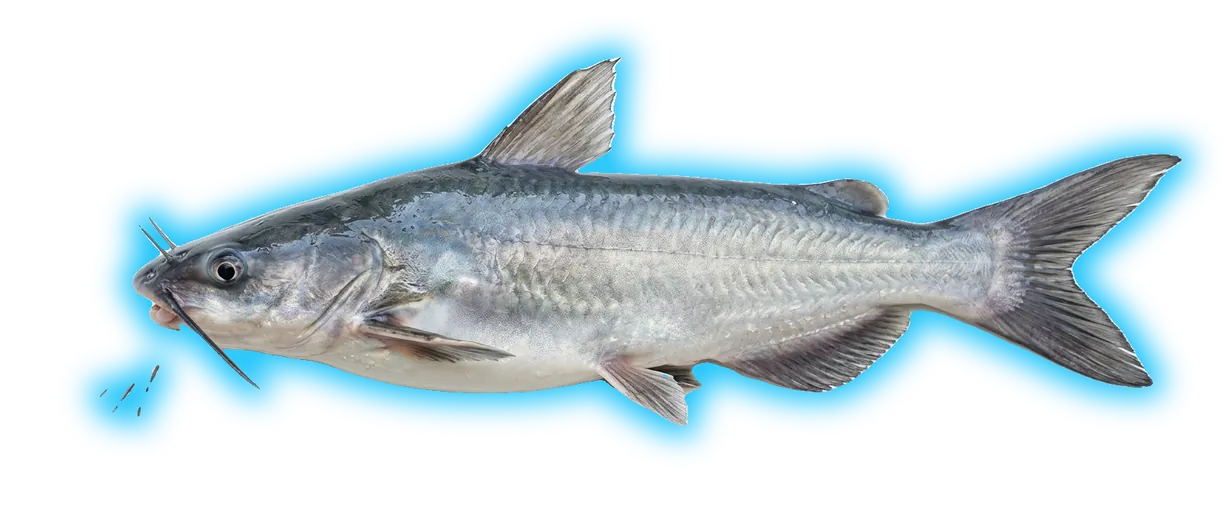
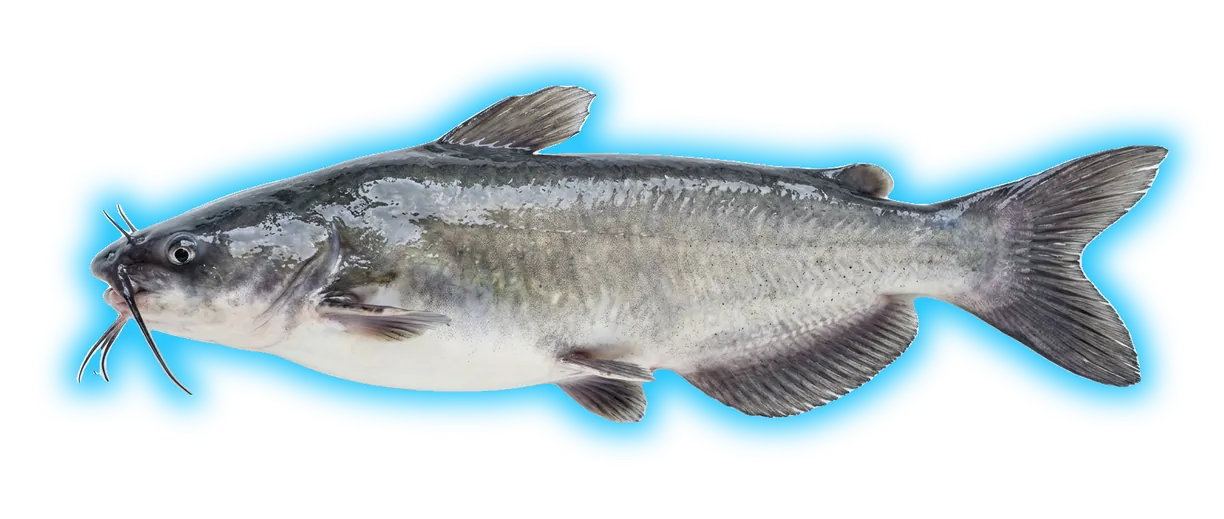
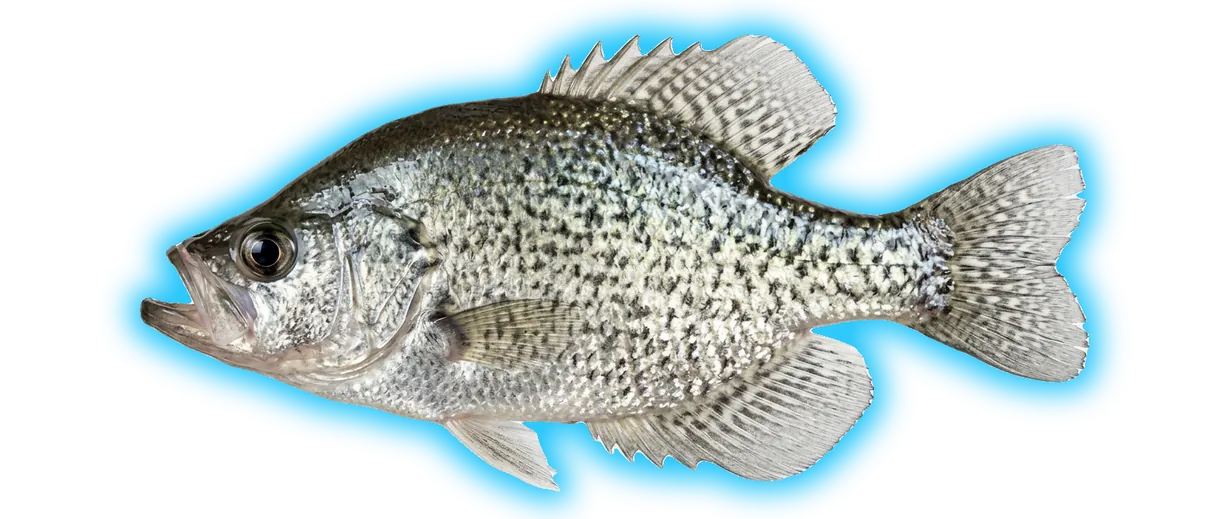
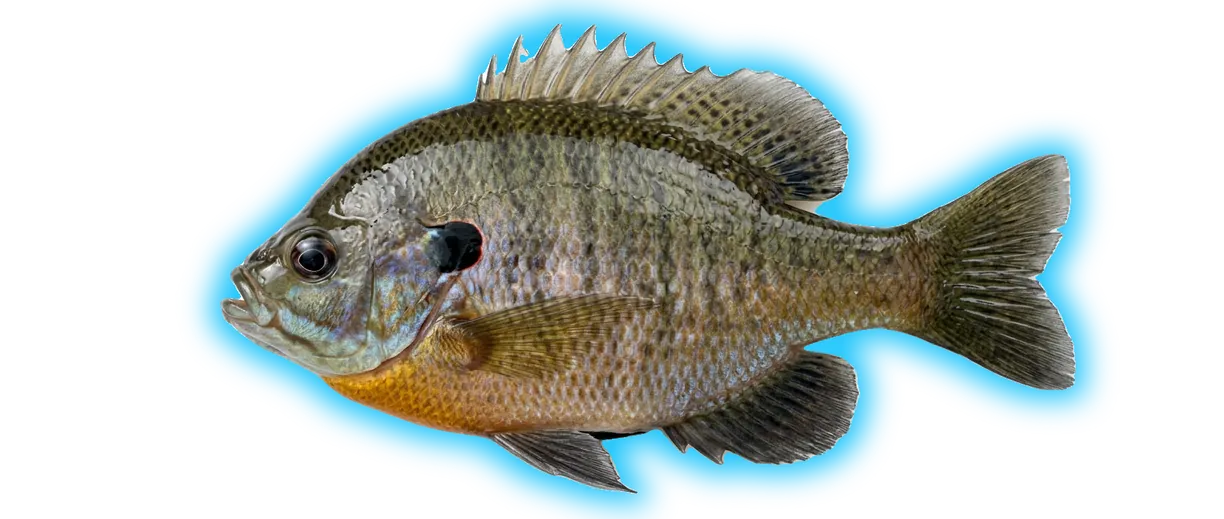
Where to Catch Channel Catfish
States where Channel Catfish is found, based on CatchVault's waterbody commonality data.
Think You Can Top the Leaderboard?
CatchVault is available on iOS. Download the app, log your Channel Catfish catch, and see where you rank.