Also known as
River Herring, Sawbelly, Kipe
IUCN status
Least ConcernAbout the Alewife
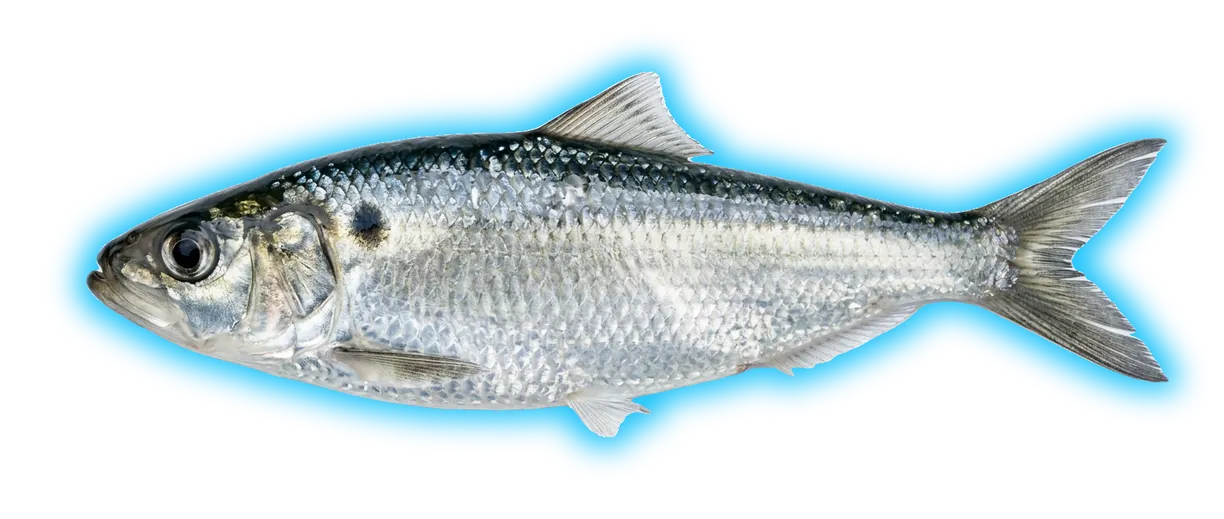
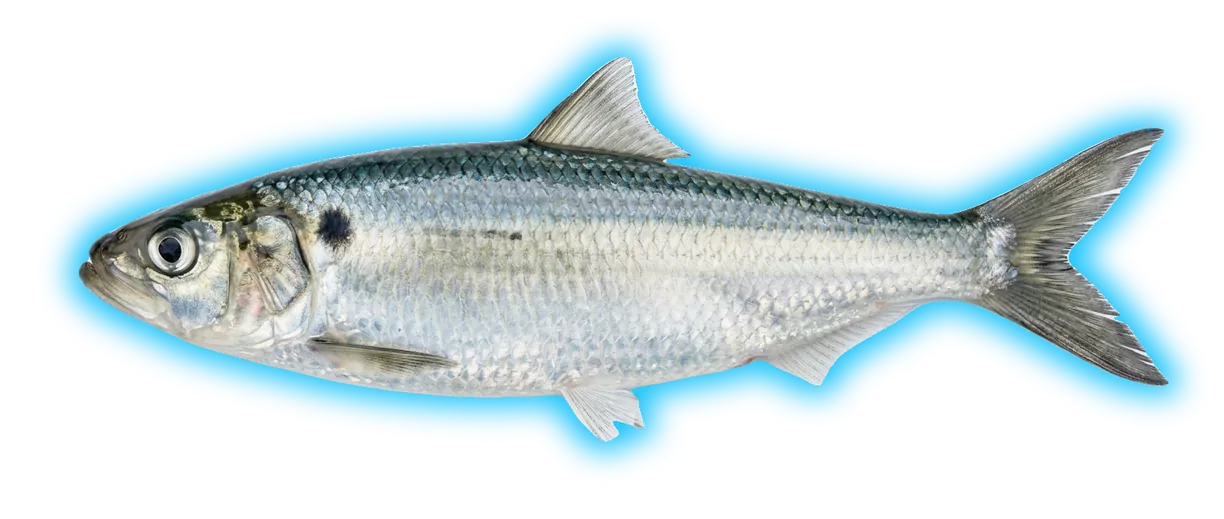
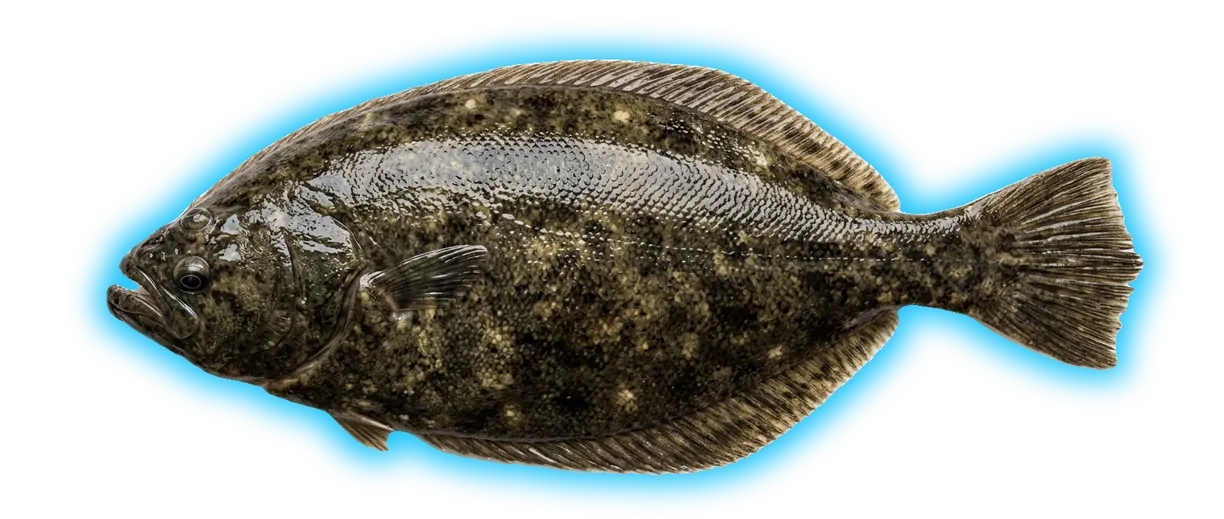
The Alewife is a sleek, silvery fish with a distinctive bluish-green back, a deep, compressed body, and a large eye. A small, dark spot often marks the shoulder area just behind the gill cover. They can be identified by their relatively large eye compared to their head size and a pale belly lining, distinguishing them from similar species like the Blueback Herring.
Source: FishBase & iNaturalist
Alewife Size & Bag Limits by State
Alewife rules in 3 states.
| State | Size limit | Daily bag | Season |
|---|---|---|---|
| MaineStatewide saltwaterYear-round | None | 25 | Year-round |
| New HampshireYear-round · Year-round closed | None | Catch & release | Year-round · Year-round closed |
| VermontConnecticut RiverYear-round · Closed | None | Catch & release | Year-round · Closed |
Statewide rules, or each area where a state sets limits by region. Many lakes and rivers have their own limits; pick a state or open its regulations page for water-specific rules. Always confirm with the state wildlife agency before keeping a fish.
Rules for a specific state
Pick a state to see its Alewife rules, including lakes and rivers with their own limits.
Select a state
Always confirm with the official state agency before keeping a fish.
Best bait and lures for Alewife
During their spring runs, Alewives are readily caught with small, flashy spoons, lead-head jigs, or sabiki rigs, which effectively mimic small baitfish. Fly anglers find success with small streamer patterns. For bait, small pieces of worm or fish can also be effective.
Is Alewife good to eat?
★★★★★
While bony, Alewives possess an oily, rich flavor that many appreciate. They are excellent when smoked, pickled, or pan-fried, especially after filleting or scoring to manage the small bones. They also make good fish patties.
Alewife habitat
Adult Alewives are primarily marine fish found in the northern West Atlantic Ocean. They make significant anadromous migrations, moving from the ocean into estuaries and then upstream into freshwater rivers and lakes to spawn. Landlocked populations also exist in many freshwater bodies.
Where Alewife are found
Their primary range extends along the East Coast of North America, from Atlantic Canada south to the Carolinas. They have also been introduced and are now established in the Great Lakes basin and other inland waters.
Alewife behavior
Alewives are schooling fish, often forming vast aggregations, especially during their spring spawning runs up rivers. They are primarily planktivores, feeding on copepods and other small invertebrates, and serve as a crucial forage species for larger predatory fish. Post-spawn, adults return to the ocean, while juveniles spend their first months in freshwater before migrating seaward.
Biggest Alewife
No catches logged yet for Alewife.
Be the first, download CatchVault and log your catch!
Tips & Tactics
Steelhead vs Rainbow Trout: Same Fish, Different Legal Rules
Steelhead and rainbow trout are the same species. How state laws define steelhead by length and water, the adipose fin rule, and how to tell them apart.
Channel vs Blue vs White vs Flathead Catfish: ID Guide
Tell channel, blue, white and flathead catfish apart by anal fin, tail and jaw, plus hardhead vs gafftop. Why the ID matters for limits and invasives.
Alewife vs Blueback Herring: River Herring & Shad ID Guide
How to tell alewife from blueback herring, and both from American, hickory and gizzard shad, plus why river herring harvest is closed in many states.
Related Species
Think You Can Top the Leaderboard?
CatchVault is available on iPhone and Android. Download the app, log your Alewife catch, and see where you rank.