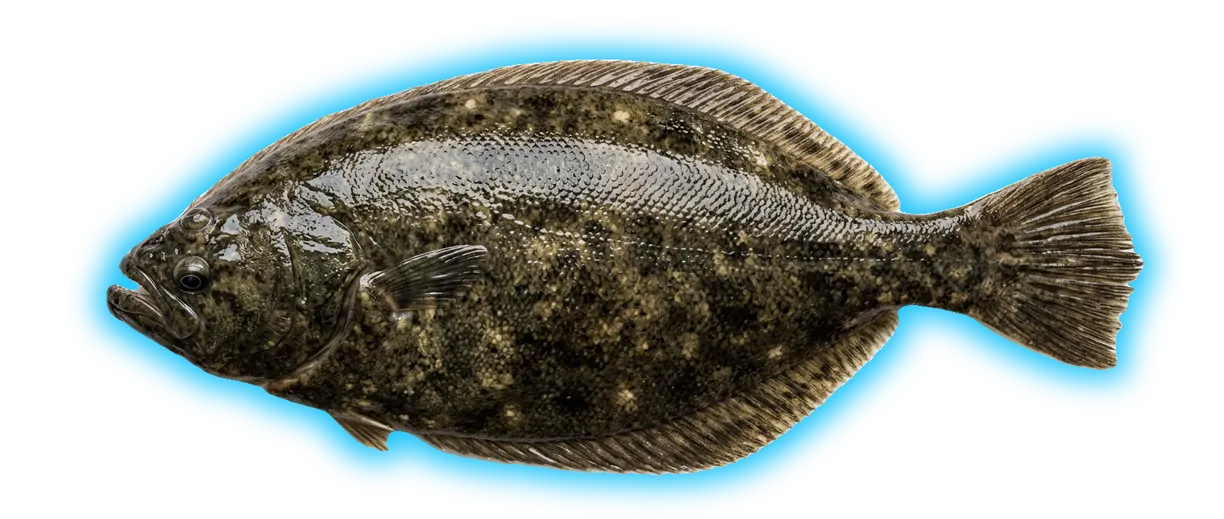
Flounder
Paralichthys/Pseudopleuronectes spp.
World Record
33" · 22 lbs 7 oz
Also known as
Fluke, Flatfish, Mud Dab
About the Flounder
Flounders are masters of camouflage, boasting a remarkably flattened, oval-shaped body perfectly adapted for life on the seafloor. Their most distinctive feature is having both eyes on one side of their head, which migrates during larval development. Their coloring typically matches the sandy or muddy bottom they inhabit, often displaying intricate patterns or spots that allow them to blend seamlessly. They possess a large mouth with sharp teeth, hinting at their predatory nature.
Source: FishBase & iNaturalist
Habitat
These fascinating fish are primarily bottom dwellers, preferring sandy or muddy substrates where they can expertly bury themselves, leaving only their eyes exposed. They thrive in a variety of environments, from shallow estuaries and bays to nearshore coastal waters and deeper offshore areas, adapting their depth preferences seasonally.
Distribution
Found globally, various species of flounder inhabit temperate and subtropical marine waters across the Atlantic, Pacific, and Indian Oceans. They are commonly encountered along continental shelves and in coastal estuarine systems.
Behaviour
Flounders are classic ambush predators, lying motionless and camouflaged on the bottom, patiently waiting for unsuspecting prey. When a meal, such as small fish, crabs, shrimp, or worms, passes by, they erupt from the substrate with surprising speed to engulf it. Many species exhibit seasonal migrations, moving to deeper, warmer offshore waters during colder months and returning to shallower, cooler inshore areas for feeding and spawning.
Edibility
★★★★★
Highly prized by anglers and chefs alike, flounder offers a delicate, flaky white meat with a mild, sweet flavor. It is considered excellent table fare, suitable for a wide range of culinary preparations.
Lure suggestion
Successful flounder angling often revolves around presenting bait or lures close to the bottom. Live minnows, strips of squid, or cut bait like mackerel or bunker are highly effective. Bucktail jigs tipped with soft plastic baits, especially scented options like Gulp!, are a top choice. A simple hi-lo rig or a Carolina rig allows for natural bait presentation, while a slow retrieve with jigs or bucktails mimics a fleeing baitfish, enticing strikes from these ambush predators.
Flounder Regulations
Select a state to see size limits, bag limits, and seasons for Flounder.
Select a state
Always confirm with the official state agency before keeping a fish.
Biggest Flounder
No catches logged yet for Flounder.
Be the first, download CatchVault and log your catch!
Tips & Tactics
Summer Flounder from the New Jersey Surf: A Complete Guide
How to catch summer flounder (fluke) from the New Jersey beach — when and where to go, the best rigs, baits, and retrieves, and the gear that gets it done.
Live Bait Fishing: The Ultimate Guide
Everything about live bait fishing — minnows, worms, shrimp, crickets, and how to rig them for different species.
Fishing with Bucktails: Jigs, Lures, and Techniques
How to fish bucktail jigs and lures for striped bass, musky, flounder, and other gamefish.
Related Species
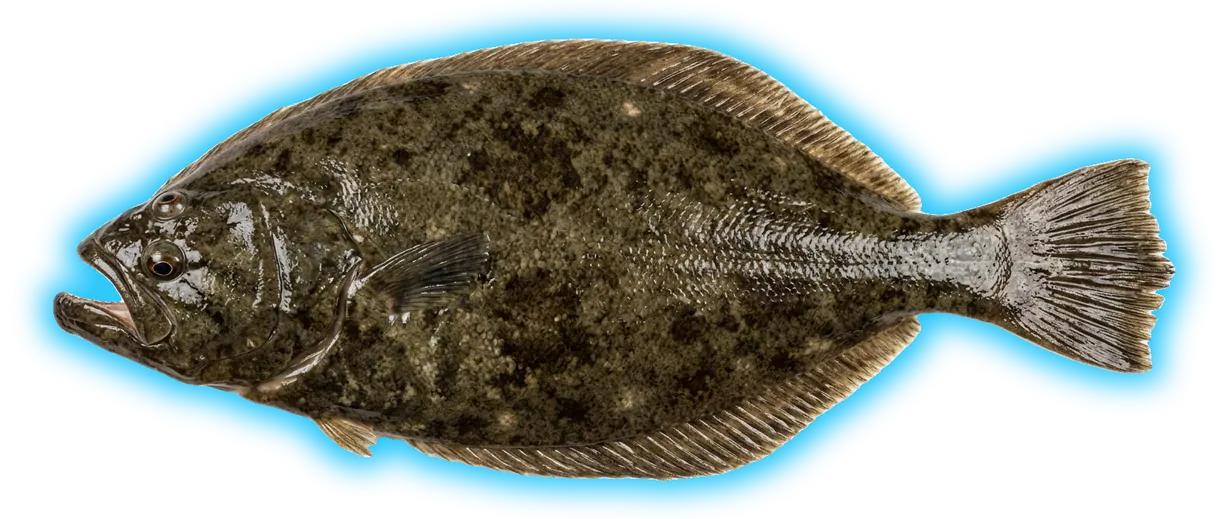
Southern Flounder
Paralichthys lethostigma
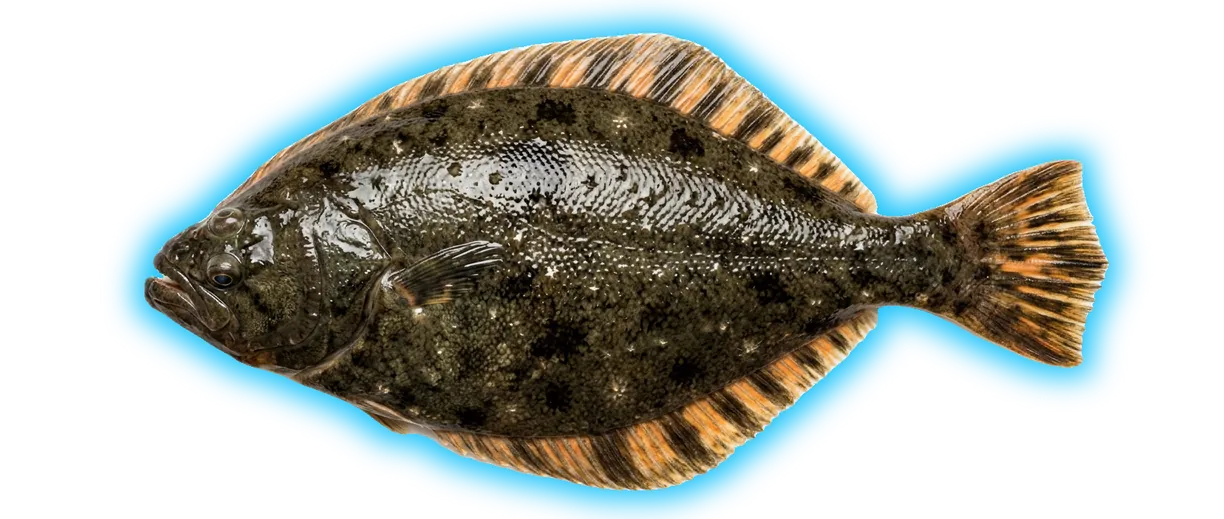
Starry Flounder
Platichthys stellatus
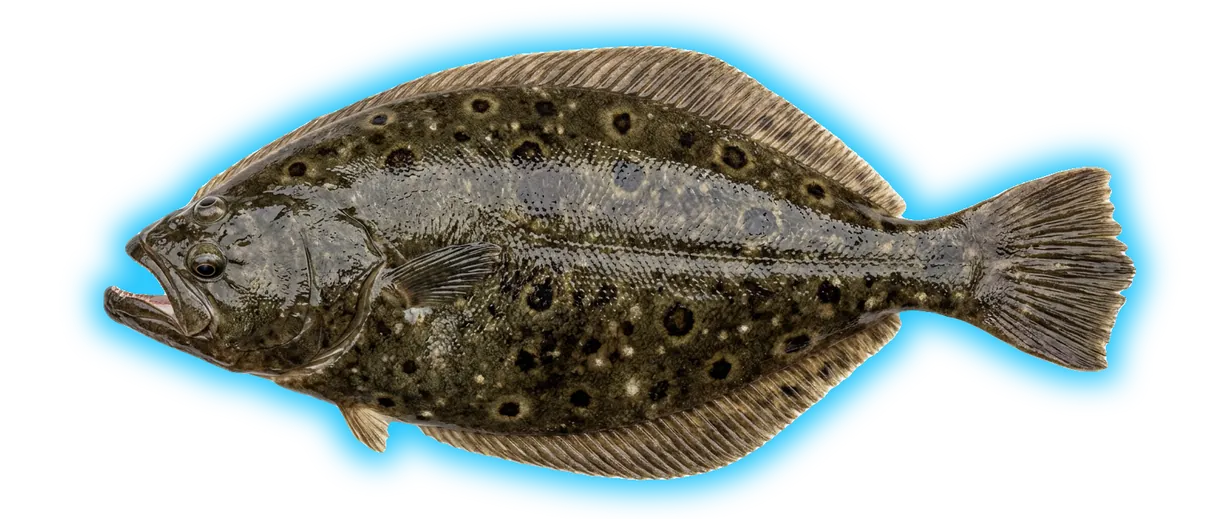
Summer Flounder
Paralichthys dentatus
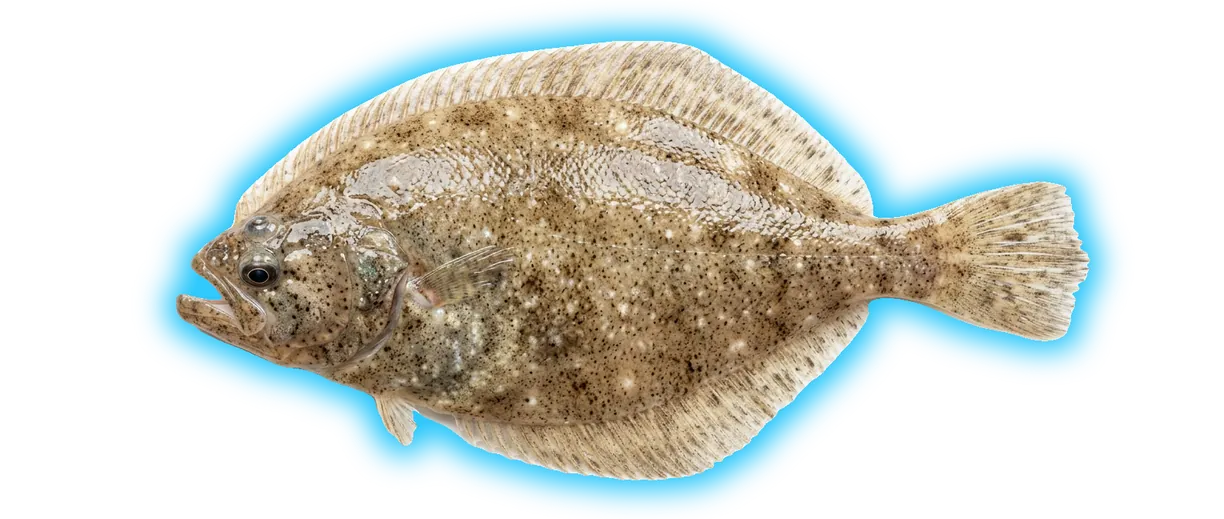
Windowpane Flounder
Scophthalmus aquosus
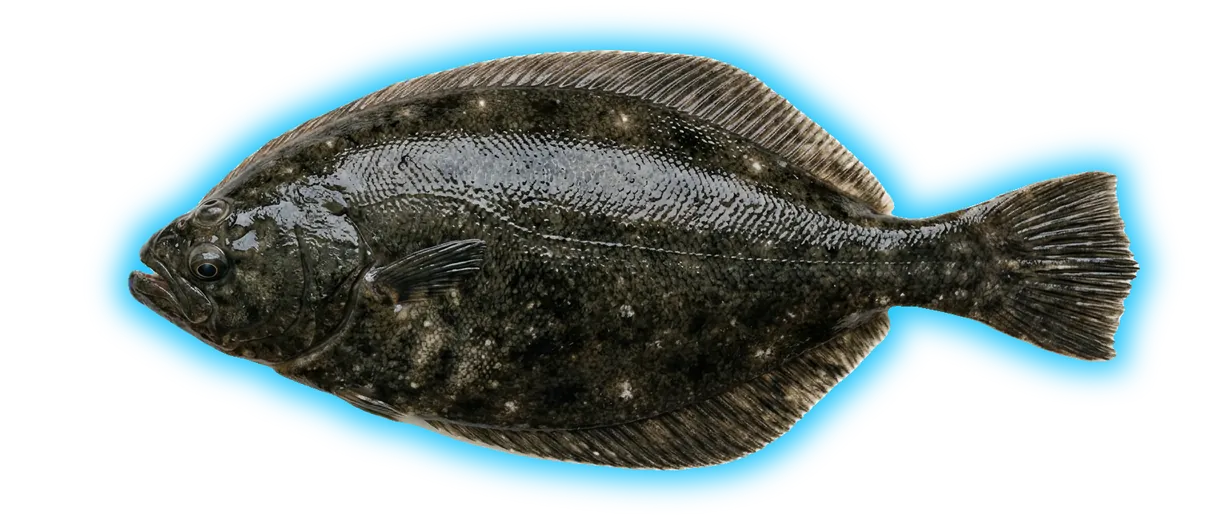
Winter Flounder
Pseudopleuronectes americanus
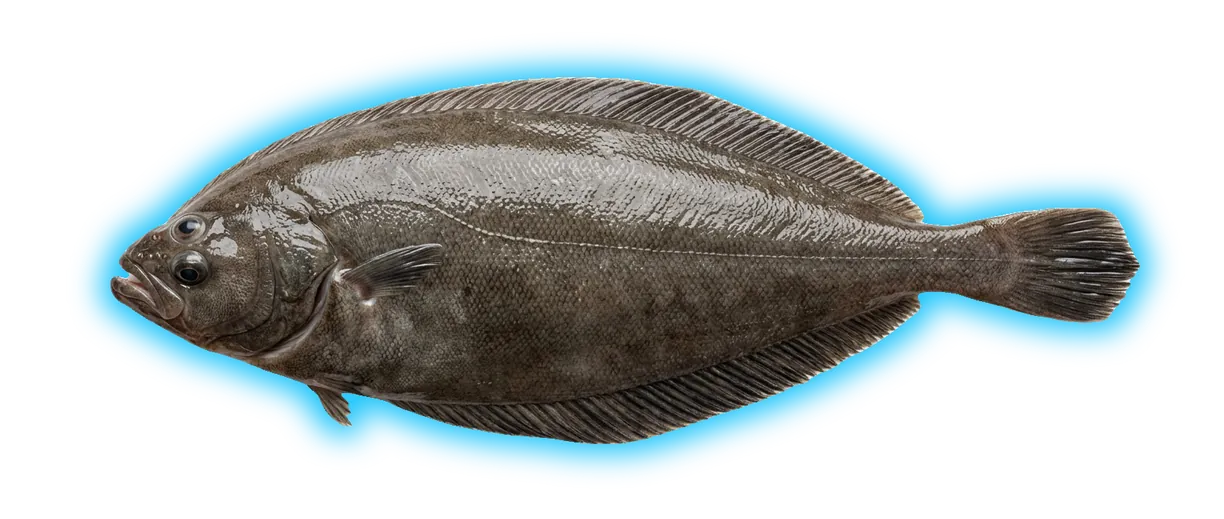
Witch Flounder
Glyptocephalus cynoglossus
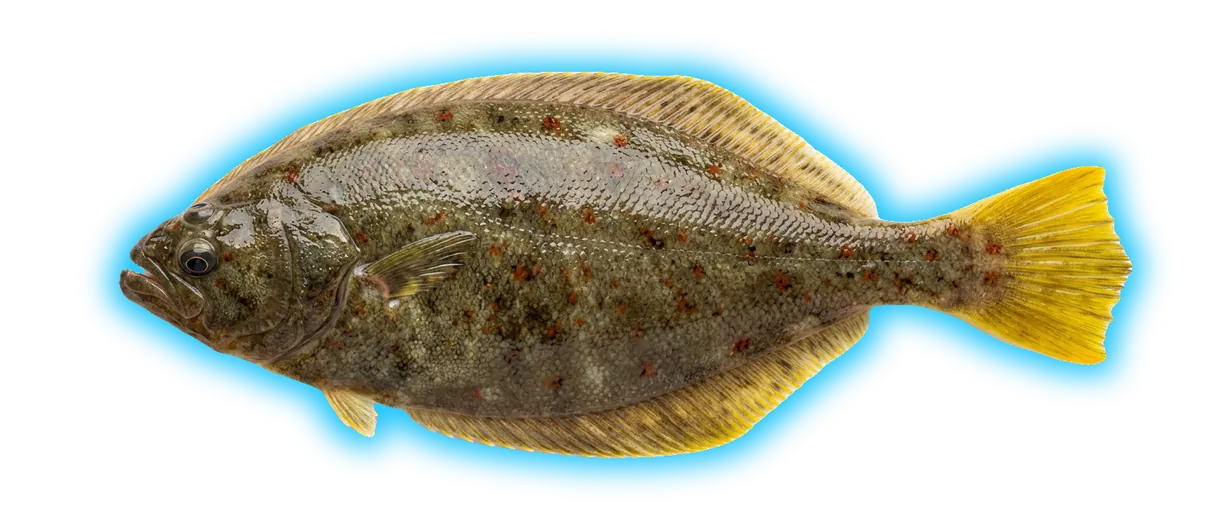
Yellowtail Flounder
Myzopsetta ferruginea
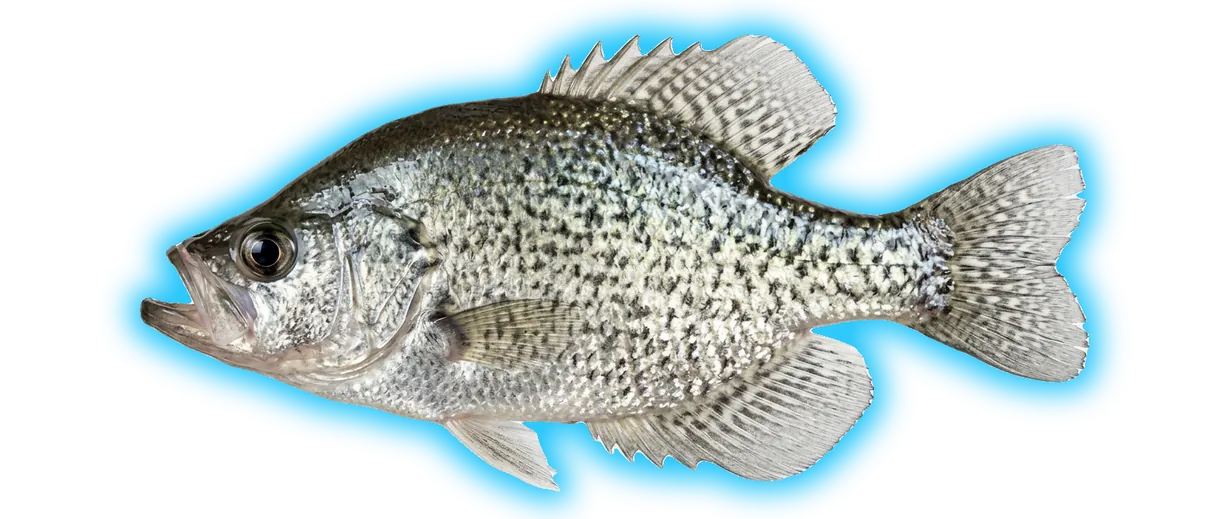
Black Crappie
Pomoxis nigromaculatus
Where to Catch Flounder
States where Flounder is found, based on CatchVault's waterbody commonality data.
Think You Can Top the Leaderboard?
CatchVault is available on iOS. Download the app, log your Flounder catch, and see where you rank.