Water Type
Saltwater
World Record
72" · 135 lbs 9 oz
Also known as
black kingfish, lemonfish, ling, crabeater
IUCN status
Least ConcernAbout the Cobia
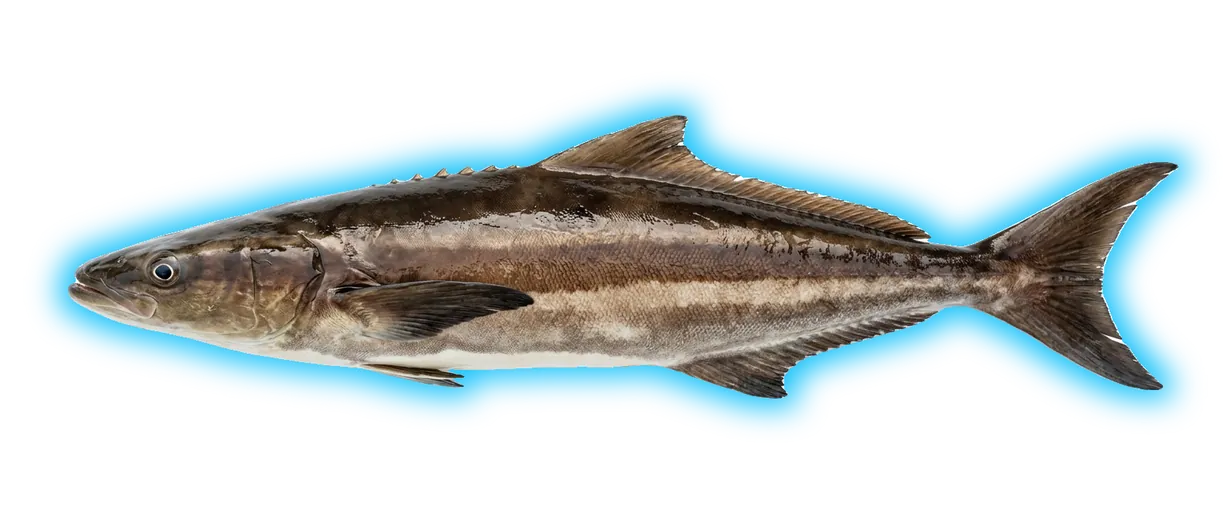
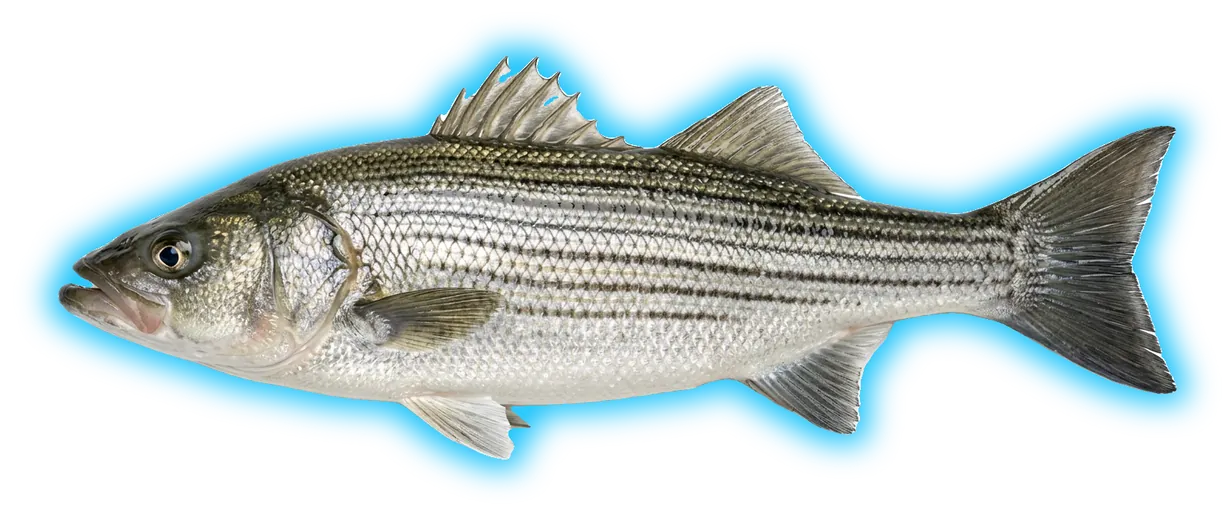
Cobia are distinctive, elongated fish with a broad, flattened head and a dark, shark-like appearance from above. Their dark brown to black dorsal surface fades to a white belly, often marked by a prominent dark stripe running along their flanks. They possess a series of short, detached dorsal spines followed by a much longer, low soft-rayed dorsal fin, giving them a unique profile. Their powerful, torpedo-shaped body is built for speed and strength.
Source: FishBase & iNaturalist
Techniques
Cobia Size & Bag Limits by State
Cobia rules in 13 states.
| State | Size limit | Daily bag | Season |
|---|---|---|---|
| AlabamaStatewide saltwaterYear-round | 36" min | 1 | Year-round |
| DelawareAtlantic Ocean and Coastal BaysYear-round | 43" min | 2 | Year-round |
| FloridaAtlantic Ocean and Tidal TributariesYear-round | 36" min | 1 | Year-round |
| Florida Keys (Monroe County)Year-round | 36" min | 1 | Year-round |
| Gulf of Mexico and Tidal TributariesYear-round | 36" min | 1 | Year-round |
| GeorgiaStatewide saltwaterMar 1 – Oct 31 | 36" min | 1 | Mar 1 – Oct 31 |
| LouisianaStatewide saltwaterYear-round | 36" min | 1 | Year-round |
| MarylandAtlantic Ocean, Coastal Bays and tributariesJun 15 – Sep 20 | 43" min | 1 | Jun 15 – Sep 20 |
| Chesapeake Bay and Tidal TributariesJun 15 – Sep 20 | 43" min | 1 | Jun 15 – Sep 20 |
| MississippiStatewide saltwaterYear-round | 36" min | 2 | Year-round |
| New JerseyStatewide saltwaterYear-round | 43" min | 1 | Year-round |
| New YorkStatewide saltwaterYear-round | 43" min | 1 | Year-round |
| North CarolinaMay 1 – Dec 31 | 36" min | 1 | May 1 – Dec 31 |
| South CarolinaState Waters North of 32° 31.0' NYear-round | 36" min | 1 | Year-round |
| State Waters South of 32° 31.0' NJan 1 – Apr 30, Jun 1 – Dec 31 | 36" min | 1 | Jan 1 – Apr 30, Jun 1 – Dec 31 |
| TexasStatewide saltwaterYear-round | 40" min | 1 | Year-round |
| VirginiaAtlantic Ocean and Coastal Bays (Virginia)Jun 15 – Sep 20 | 43" min | 1 | Jun 15 – Sep 20 |
| Chesapeake Bay (Virginia)Jun 15 – Sep 20 | 43" min | 1 | Jun 15 – Sep 20 |
Statewide rules, or each area where a state sets limits by region. Many lakes and rivers have their own limits; pick a state or open its regulations page for water-specific rules. Always confirm with the state wildlife agency before keeping a fish.
Rules for a specific state
Pick a state to see its Cobia rules, including lakes and rivers with their own limits.
Select a state
Always confirm with the official state agency before keeping a fish.
How big do Cobia get?
The world record is 72", 135 lbs 9 oz. The biggest Cobia logged on CatchVault measured 48".
Best bait and lures for Cobia
Sight-casting is often the most exciting and effective method for cobia. Effective artificial lures include large bucktail jigs, heavy soft plastics, and swimming plugs, typically cast ahead of cruising fish. Live baits such as eels, crabs, and pinfish or mullet fished on a stout leader are incredibly effective, especially when free-lined or fished near structure or around large manta rays.
Is Cobia good to eat?
★★★★★
Cobia is highly prized for its firm, white, flaky flesh and excellent taste. It's incredibly versatile, delicious grilled, baked, fried, or broiled, making it a top-tier game fish for the table.
Cobia habitat
These powerful game fish prefer warm, coastal waters, frequently found near structures such as buoys, pilings, wrecks, and channel markers. They are also famously associated with large manta rays, sea turtles, and even sharks, often cruising just beneath them or alongside them.
Where Cobia are found
Widely distributed throughout tropical and subtropical waters globally, including the western and eastern Atlantic Ocean, the Caribbean Sea, the Gulf of Mexico, and the Indo-Pacific region.
Cobia behavior
Cobia are opportunistic and voracious predators, known for their powerful strikes on crabs, squid, and various smaller fish. They often travel alone or in small groups, frequently patrolling the water column near the surface, making them a prime target for sight-fishing. These migratory fish move to warmer waters during cooler months, providing seasonal angling opportunities.
Recent Catches
Biggest Cobia
Tips & Tactics
Jig Fishing: Techniques, Tips, and Best Practices
Master jig fishing for bass, walleye, and more. Covers football jigs, flipping jigs, swim jigs, and finesse jigs.
Live Bait Fishing: The Ultimate Guide
Everything about live bait fishing — minnows, worms, shrimp, crickets, and how to rig them for different species.
Trolling: Techniques, Speed, and Gear Setup
How to troll effectively for walleye, striped bass, salmon, and more. Covers speed, depth, and lure selection.
Related Species
Where to Catch Cobia
States where Cobia is found, based on CatchVault's waterbody commonality data.
Think You Can Top the Leaderboard?
CatchVault is available on iPhone and Android. Download the app, log your Cobia catch, and see where you rank.