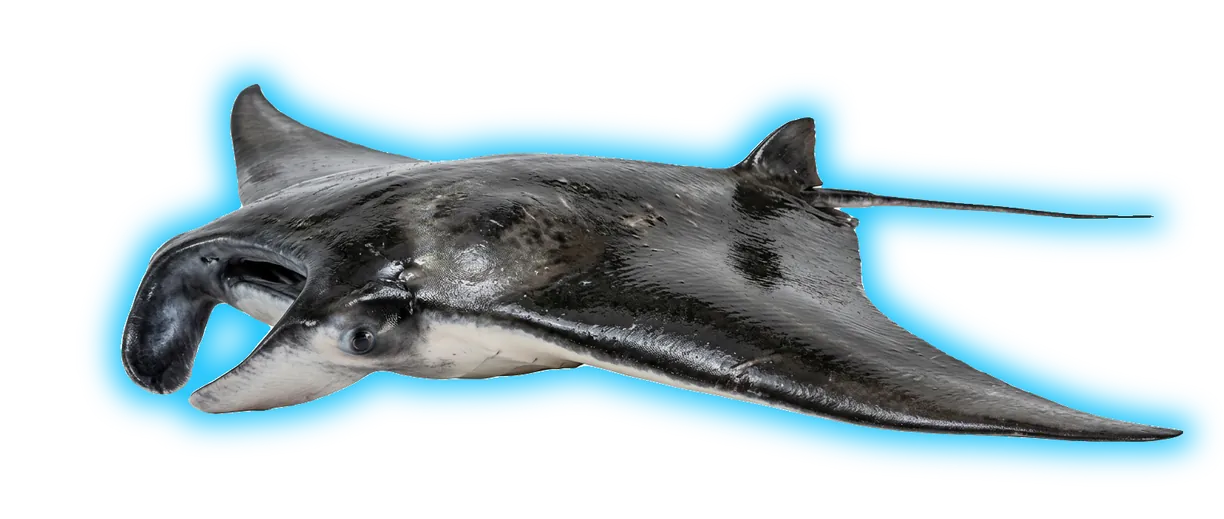
Atlantic Manta
Mobula hypostoma
Also known as
Lesser devil ray, Atlantic devil ray, Devilfish
IUCN status
EndangeredAbout the Atlantic Manta
The Atlantic Manta, more accurately known as the Lesser Devil Ray, is a fascinating cartilaginous fish characterized by its distinctive diamond-shaped body and impressive wing-like pectoral fins. It possesses prominent cephalic fins or "horns" on either side of its mouth, which are used to funnel plankton and small fish. Its dorsal surface is typically dark, ranging from black to dark brown, while its underside is white, providing effective countershading. Though smaller than its giant manta cousins, this ray can still reach a wingspan of several feet, making it a powerful and graceful presence in the ocean.
Source: FishBase & iNaturalist
Habitat
These pelagic rays inhabit open ocean waters, often found closer to the coast and continental shelves. They prefer temperate to tropical marine environments, frequently seen near the surface where they feed. While their specific environmental preferences are still being studied, they are known to traverse large areas of the water column.
Distribution
The Atlantic Manta is found along the western Atlantic coastline, extending its range from the waters off North Carolina southwards to the northern coasts of Argentina. This expansive distribution highlights its adaptability across various temperate and tropical marine zones.
Behaviour
These majestic rays are primarily filter feeders, gracefully gliding through the water with their mouths open to scoop up plankton, small crustaceans, and schooling fish. They are known for their impressive aerial displays, often breaching clear of the water in spectacular leaps, though the exact reason for this behavior is still debated. While sometimes observed alone, they can also form aggregations, especially during feeding or breeding seasons. Their powerful pectoral fins allow for efficient movement across vast oceanic distances.
Edibility
Given its conservation status and the cartilaginous nature of its flesh, the Atlantic Manta is not typically targeted for consumption. Anglers are encouraged to prioritize catch-and-release practices for this species.
Lure suggestion
The Atlantic Manta is not a species typically targeted by recreational anglers, as they are filter feeders. Accidental catches may occur when trolling large baits or lures intended for other pelagic species, particularly when these rays are feeding near the surface in areas where baitfish are abundant. Due to their protected status and challenging nature to land, catch-and-release is strongly recommended if one is incidentally hooked.
Atlantic Manta Regulations
Select a state to see size limits, bag limits, and seasons for Atlantic Manta.
Select a state
Always confirm with the official state agency before keeping a fish.
Biggest Atlantic Manta
No catches logged yet for Atlantic Manta.
Be the first, download CatchVault and log your catch!
Tips & Tactics
Summer Flounder from the New Jersey Surf: A Complete Guide
How to catch summer flounder (fluke) from the New Jersey beach — when and where to go, the best rigs, baits, and retrieves, and the gear that gets it done.
My Review of the Hobie Fleet: What's Best for Saltwater Kayak Fishing
A hands-on review of every Hobie MirageDrive fishing kayak and which model makes the most sense for inshore and open-water saltwater fishing.
How to Jig Giant Plastic Eels for 40"+ Striped Bass
The complete guide to fishing oversized soft plastic eels for trophy striped bass — gear, technique, locations, and timing.
Related Species
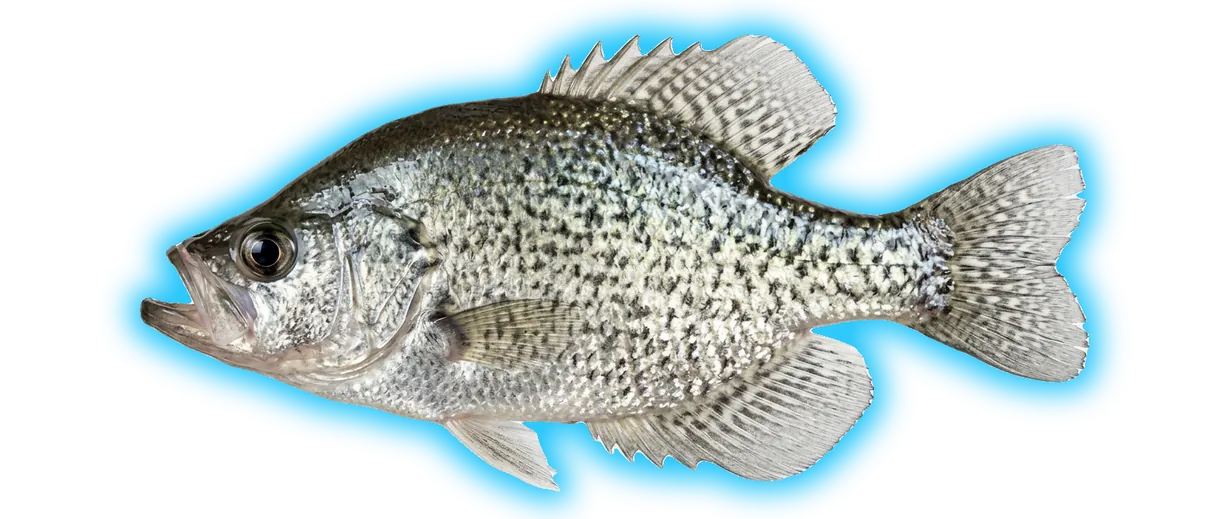
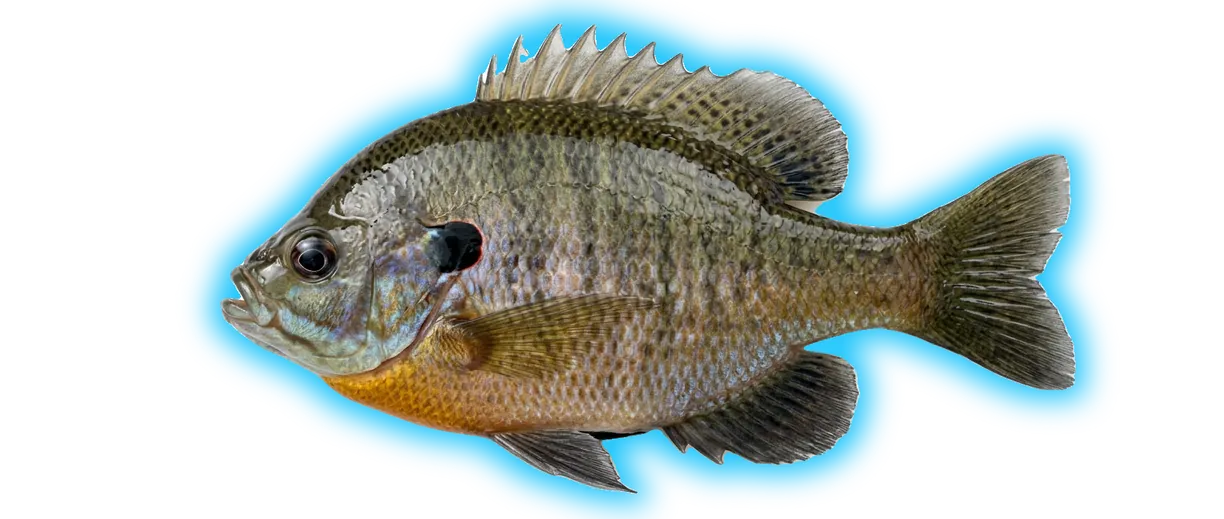
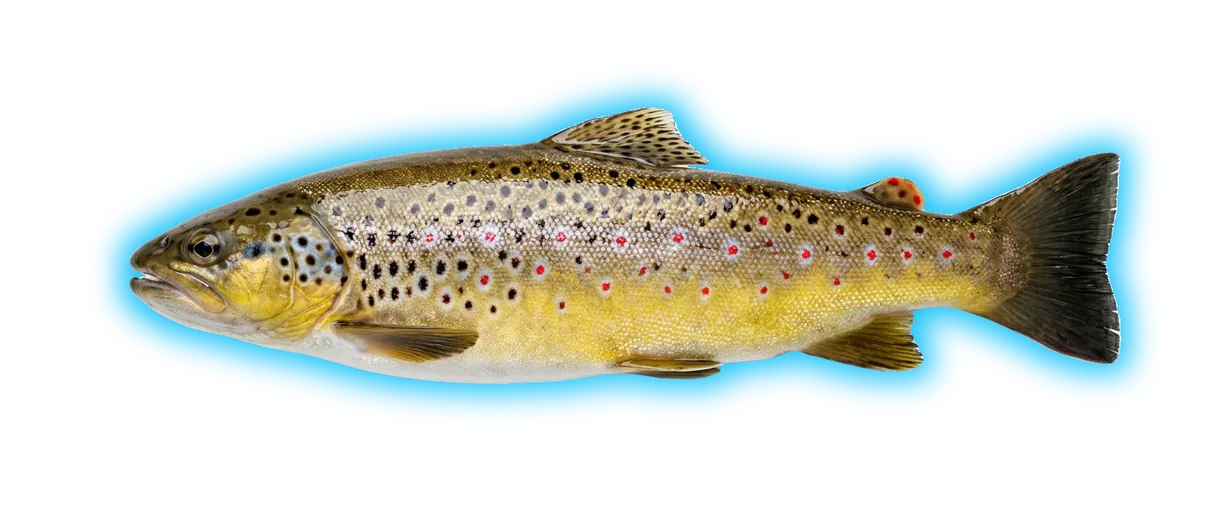
Think You Can Top the Leaderboard?
CatchVault is available on iOS. Download the app, log your Atlantic Manta catch, and see where you rank.