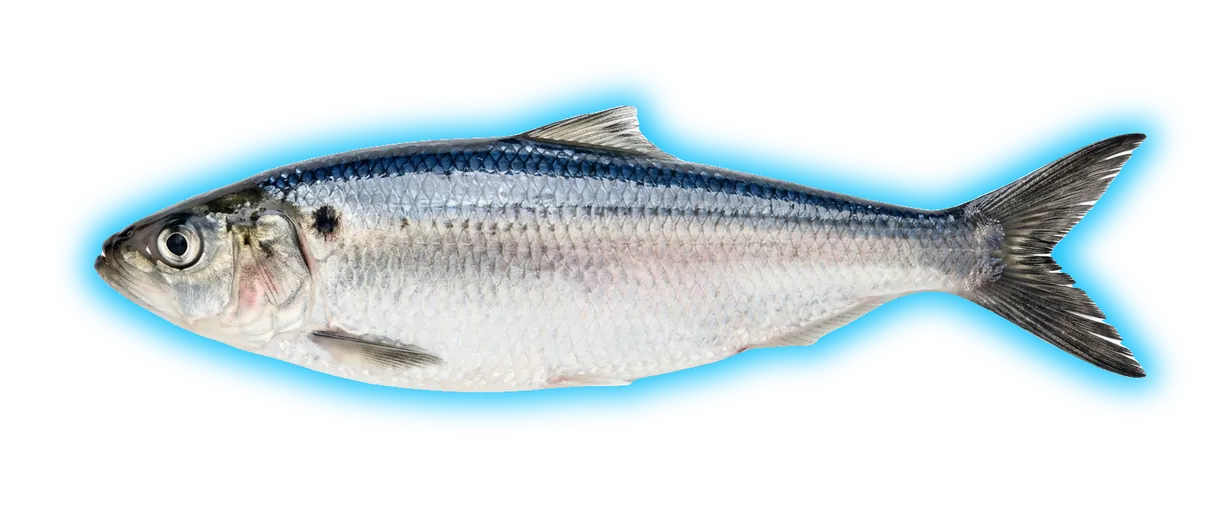
Blueback Herring
Alosa aestivalis
Also known as
Blueback Shad, Glut Herring
IUCN status
Least ConcernAbout the Blueback Herring
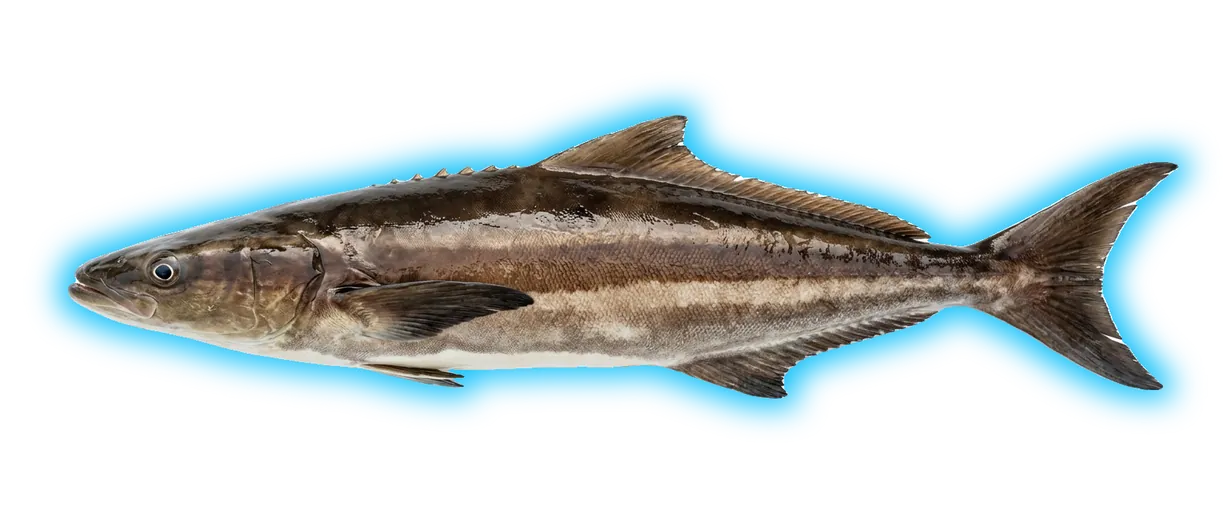
Often confused with its cousin, the Alewife, the Blueback Herring is a sleek, silvery fish with a distinctive steel-blue back that gives it its name. Its body is compressed, featuring a deeply forked tail and a row of sharp, bony scutes along its belly. A key identification trick is its smaller eye compared to the Alewife, and internally, a dark or black peritoneum sets it apart. They typically grow to about 12-15 inches, making them a common sight in eastern North American waters.
Source: FishBase & iNaturalist
Habitat
As an anadromous species, Blueback Herring spend the majority of their adult lives in the ocean, typically in coastal waters. During their spawning runs, they migrate into freshwater rivers, estuaries, and larger tidal creeks. They prefer deeper, cooler water in both marine and freshwater environments.
Distribution
This species is found along the entire east coast of North America, ranging from the cold waters of Nova Scotia down to the warmer coasts of Florida. They undertake extensive migrations within this range for spawning and overwintering.
Behaviour
Blueback Herring are highly migratory, forming large schools in both marine and freshwater environments. They are anadromous, meaning adults migrate from the ocean into rivers and streams each spring to spawn. After spawning, adults return to the ocean, where they overwinter near the bottom in offshore waters. Their diet primarily consists of zooplankton and small invertebrates, which they filter feed while schooling.
Edibility
★★★★★
Blueback Herring have a mild, rich, and somewhat oily flavor, making them popular for smoking or pickling. However, they are notably bony, which can be a deterrent for some; those who enjoy them often pan-fry them crisp or prepare them in ways that mitigate the small bones.
Lure suggestion
When targeting Blueback Herring during their spawning runs, small, shiny lures like tiny spoons, jigs, or artificial flies are highly effective. Sabiki rigs, which feature multiple small hooks often adorned with small pieces of bait or colored tubing, are also extremely popular for catching them in schools. Anglers often fish these setups near the bottom in deeper river channels or tidal creeks.
Blueback Herring Regulations
Select a state to see size limits, bag limits, and seasons for Blueback Herring.
Select a state
Always confirm with the official state agency before keeping a fish.
Biggest Blueback Herring
No catches logged yet for Blueback Herring.
Be the first, download CatchVault and log your catch!
Tips & Tactics
Summer Flounder from the New Jersey Surf: A Complete Guide
How to catch summer flounder (fluke) from the New Jersey beach — when and where to go, the best rigs, baits, and retrieves, and the gear that gets it done.
My Review of the Hobie Fleet: What's Best for Saltwater Kayak Fishing
A hands-on review of every Hobie MirageDrive fishing kayak and which model makes the most sense for inshore and open-water saltwater fishing.
How to Jig Giant Plastic Eels for 40"+ Striped Bass
The complete guide to fishing oversized soft plastic eels for trophy striped bass — gear, technique, locations, and timing.
Related Species
Think You Can Top the Leaderboard?
CatchVault is available on iOS. Download the app, log your Blueback Herring catch, and see where you rank.