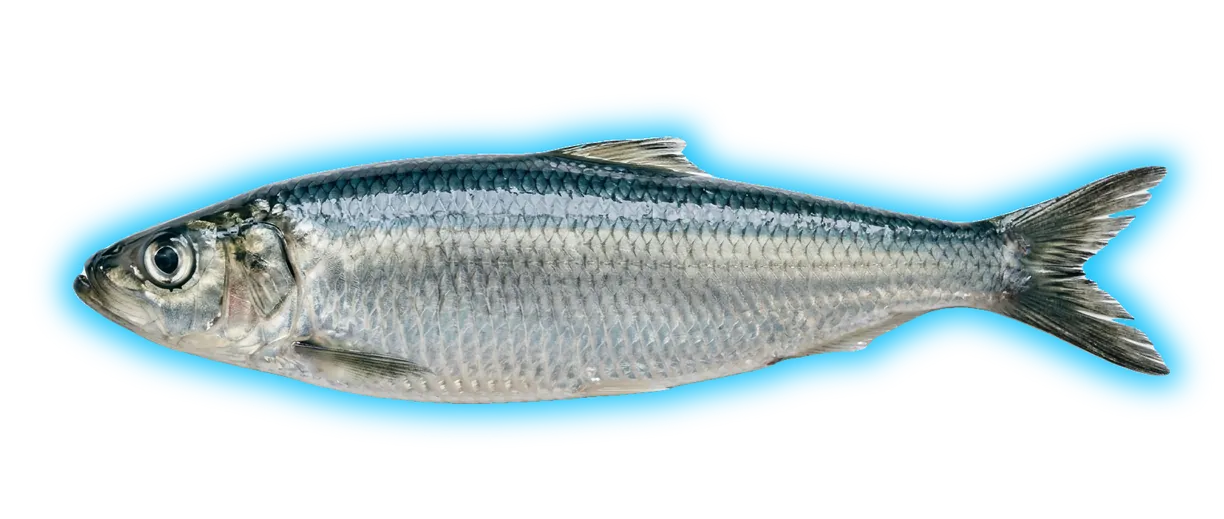
Pacific Herring
Clupea pallasii
Also known as
Herring, Pacific Sardine, Black Sea Herring, Alaskan Herring
IUCN status
Least ConcernAbout the Pacific Herring
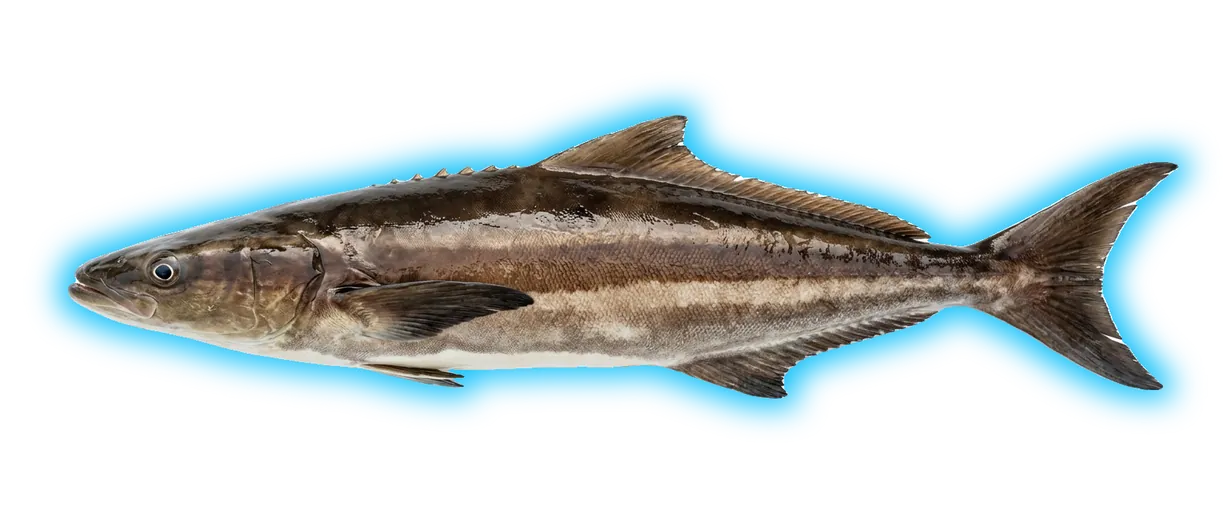
The Pacific Herring is a slender, silvery fish, often displaying an iridescent blue-green back that fades to a bright silver belly. It possesses soft, unspined fins, and its deeply forked caudal (tail) fin is characteristic. Averaging 6-10 inches in length, they are sleek and built for speed, making them a primary forage fish for many larger predators. Their scales are relatively large and easily shed.
Source: FishBase & iNaturalist
Habitat
These schooling fish are primarily found in marine and estuarine environments along coastal waters. They aggregate in massive schools, often close to shore, especially during spawning migrations into bays and estuaries. They prefer cooler waters, congregating over sandy or muddy bottoms, or near kelp beds and other submerged vegetation.
Distribution
The Pacific Herring's range extends widely along the North American Pacific coast, from Baja California north to Alaska and into the Bering Sea. In Asia, their distribution reaches south to Japan, encompassing vast stretches of the northern Pacific Ocean.
Behaviour
Pacific Herring are highly migratory, forming immense schools that move seasonally between offshore feeding grounds and inshore spawning areas. They are primarily planktivorous, filtering tiny crustaceans and larval fish from the water column. Their dense schooling behavior is a primary defense mechanism, though it also makes them a crucial food source for a vast array of marine life, from seabirds to whales and larger fish.
Edibility
★★★★★
Pacific Herring are excellent table fare, particularly when fresh. They have a rich, oily flavor and a delicate texture. They are commonly smoked, pickled, or pan-fried. Their high oil content makes them particularly flavorful.
Lure suggestion
While not often targeted individually for sport, Pacific Herring are frequently caught for bait or for their roe. The most effective method involves using a Sabiki rig, which consists of multiple small, baited or unbaited hooks designed to mimic small baitfish or krill. Small spoons, jigs, or flies can also be effective when herring are actively feeding near the surface. Focus on areas where predators are feeding on them, or where large schools are visible.
Pacific Herring Regulations
Select a state to see size limits, bag limits, and seasons for Pacific Herring.
Select a state
Always confirm with the official state agency before keeping a fish.
Biggest Pacific Herring
No catches logged yet for Pacific Herring.
Be the first, download CatchVault and log your catch!
Tips & Tactics
Summer Flounder from the New Jersey Surf: A Complete Guide
How to catch summer flounder (fluke) from the New Jersey beach — when and where to go, the best rigs, baits, and retrieves, and the gear that gets it done.
My Review of the Hobie Fleet: What's Best for Saltwater Kayak Fishing
A hands-on review of every Hobie MirageDrive fishing kayak and which model makes the most sense for inshore and open-water saltwater fishing.
How to Jig Giant Plastic Eels for 40"+ Striped Bass
The complete guide to fishing oversized soft plastic eels for trophy striped bass — gear, technique, locations, and timing.
Related Species
Where to Catch Pacific Herring
States where Pacific Herring is found, based on CatchVault's waterbody commonality data.
Think You Can Top the Leaderboard?
CatchVault is available on iOS. Download the app, log your Pacific Herring catch, and see where you rank.