Cabezon
Also known as
Sculpin,Giant Sculpin,Bullhead Cabezon
IUCN status
Least ConcernAbout the Cabezon
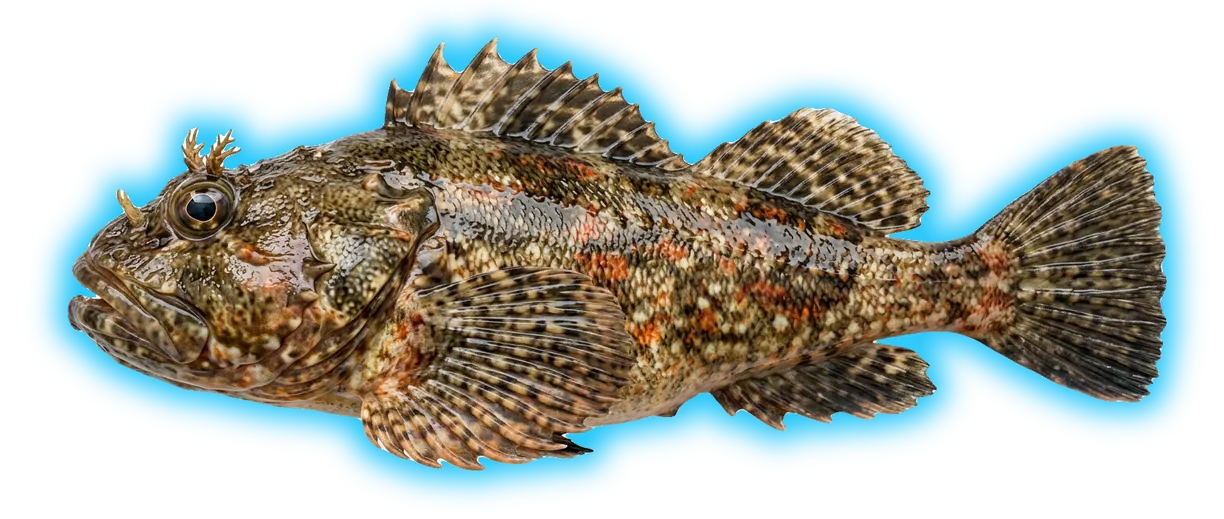
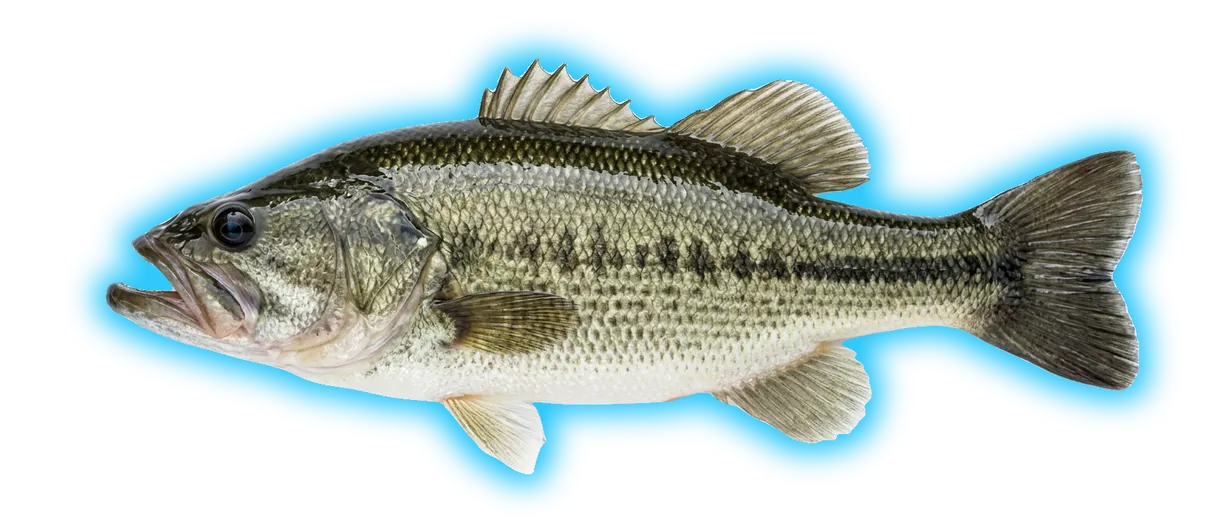
The Cabezon is easily identified by its distinctive, large, broad head, which gives the fish its name. Its robust body tapers towards the tail, covered by smooth, scaleless skin. Coloration varies widely, often mottled green, brown, or red, providing superb camouflage in rocky environments. A prominent fleshy flap, or cirrus, frequently sits above each eye, and its large mouth contains numerous small, conical teeth. These impressive fish can grow up to 3 feet long and weigh over 25 pounds, making them a significant catch for any angler.
Source: FishBase & iNaturalist
Habitat
Cabezon prefer rocky intertidal zones, lush kelp forests, and subtidal reefs, typically found from the surf zone down to about 250 feet. They thrive in complex habitats offering plenty of crevices, ledges, and rocky structure for ambush points and shelter. Anglers often find them lurking motionless among rocks or blending seamlessly into dense kelp beds.
Distribution
This species is found along the Pacific coast of North America, ranging from northern British Columbia, Canada, south to Baja California, Mexico. They are particularly common and sought after in the waters off California and Oregon.
Behaviour
Cabezon are classic ambush predators, primarily bottom-dwelling and relatively sedentary. They lie in wait, perfectly camouflaged, for unsuspecting prey to pass within striking distance. Their diet consists mainly of crustaceans like crabs and shrimp, mollusks such as octopus and squid, and various small fish. These fish are not known for extensive migrations, generally staying within a relatively small home range, which makes them a reliable target once a productive spot is located.
Edibility
★★★★★
Cabezon is highly regarded for its firm, white, and richly flavored flesh, often compared to the taste and texture of lobster or crab. It performs exceptionally well whether pan-fried, baked, or steamed, yielding large, flakey fillets. Anglers should be aware that the roe (eggs) of the Cabezon is toxic and should not be consumed.
Lure suggestion
Bottom fishing is the most effective technique for Cabezon. Anglers have great success with heavy lead-head jigs tipped with soft plastic grubs, swimbaits, or natural baits such as squid, shrimp, or pieces of octopus. A Carolina rig or a dropper loop rig, presented with fresh bait directly on the bottom in rocky, kelp-filled areas, is often irresistible to them. They are aggressive feeders and will readily strike a well-presented offering.
Cabezon Regulations
Select a state to see size limits, bag limits, and seasons for Cabezon.
Select a state
Always confirm with the official state agency before keeping a fish.
Biggest Cabezon
No catches logged yet for Cabezon.
Be the first, download CatchVault and log your catch!
Tips & Tactics
Summer Flounder from the New Jersey Surf: A Complete Guide
How to catch summer flounder (fluke) from the New Jersey beach — when and where to go, the best rigs, baits, and retrieves, and the gear that gets it done.
My Review of the Hobie Fleet: What's Best for Saltwater Kayak Fishing
A hands-on review of every Hobie MirageDrive fishing kayak and which model makes the most sense for inshore and open-water saltwater fishing.
How to Jig Giant Plastic Eels for 40"+ Striped Bass
The complete guide to fishing oversized soft plastic eels for trophy striped bass — gear, technique, locations, and timing.
Related Species
Think You Can Top the Leaderboard?
CatchVault is available on iOS. Download the app, log your Cabezon catch, and see where you rank.