Mussels
Also known as
null
About the Mussels
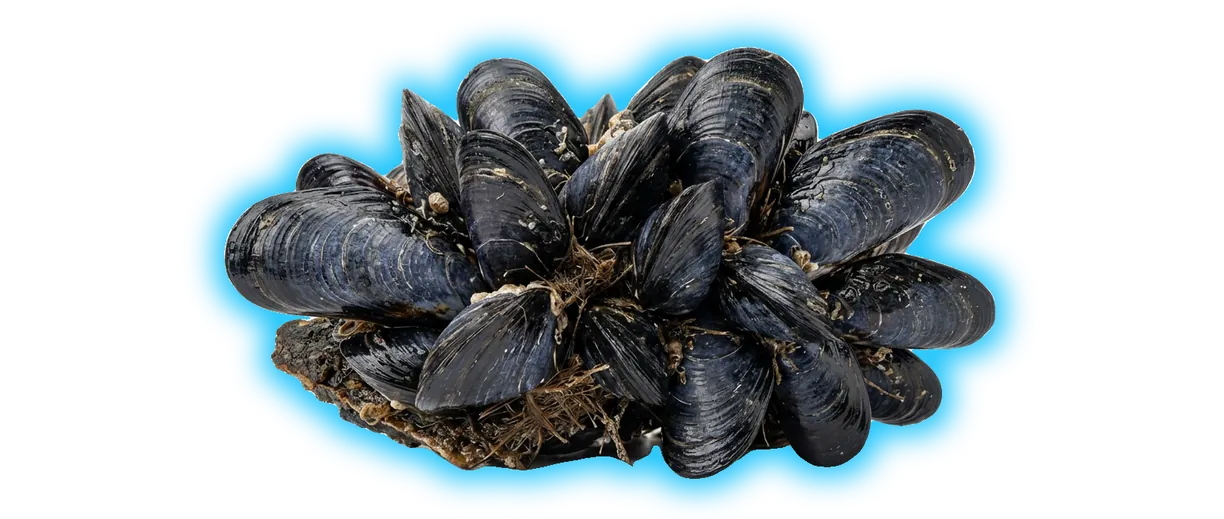
Mussels are fascinating bivalve molluscs characterized by their laterally compressed bodies, entirely enclosed within a distinctive two-part, hinged shell. Unlike many other molluscs, they possess no discernible head and lack typical feeding organs like a radula. Instead, these aquatic organisms are highly efficient filter feeders, siphoning water to extract tiny particles of food. Their shells, often dark blue, black, or brown, vary in shape from elongated and wedge-like to more rounded, depending on the species.
Source: FishBase & iNaturalist
Habitat
Found in both marine and freshwater environments, mussels typically inhabit coastal areas, estuaries, and rivers worldwide. They often attach themselves to hard substrates like rocks, pilings, or other shells using strong byssal threads, though some species may burrow into soft sediments. They frequently form dense colonies or 'mussel beds' in suitable locations.
Distribution
Mussels are globally distributed, thriving in a vast range of aquatic habitats from polar regions to the tropics. They are abundant in intertidal zones, subtidal waters, and river systems across every continent, adapting to diverse salinity and temperature conditions.
Behaviour
Primarily sessile, mussels spend most of their lives anchored to a substrate, filtering water to consume plankton and organic detritus. This filter-feeding activity is continuous, playing a vital role in water purification within their ecosystems. While generally stationary, some species can slowly relocate using their foot or detach and reattach elsewhere if conditions demand.
Edibility
★★★★★
Many species of mussels are highly regarded as a delicious seafood, known for their tender, slightly sweet, and briny flesh. They are excellent steamed, boiled, grilled, or incorporated into various culinary dishes like paella or pasta. Always ensure mussels are live, properly cleaned, and harvested from safe, unpolluted waters before consumption.
Lure suggestion
While not a sport fish themselves, mussels are an exceptional bait for a wide array of desirable fish species, particularly bottom feeders and estuarine predators. Collect fresh mussels, crack them open, and use the exposed meat on a standard baited hook. They are particularly effective when targeting species like drum, sheepshead, tog, and various panfish, often outperforming other baits due to their natural scent and appeal.
Mussels Regulations
Select a state to see size limits, bag limits, and seasons for Mussels.
Select a state
Always confirm with the official state agency before keeping a fish.
Biggest Mussels
No catches logged yet for Mussels.
Be the first, download CatchVault and log your catch!
Tips & Tactics
Summer Flounder from the New Jersey Surf: A Complete Guide
How to catch summer flounder (fluke) from the New Jersey beach — when and where to go, the best rigs, baits, and retrieves, and the gear that gets it done.
My Review of the Hobie Fleet: What's Best for Saltwater Kayak Fishing
A hands-on review of every Hobie MirageDrive fishing kayak and which model makes the most sense for inshore and open-water saltwater fishing.
How to Jig Giant Plastic Eels for 40"+ Striped Bass
The complete guide to fishing oversized soft plastic eels for trophy striped bass — gear, technique, locations, and timing.
Related Species
Think You Can Top the Leaderboard?
CatchVault is available on iOS. Download the app, log your Mussels catch, and see where you rank.