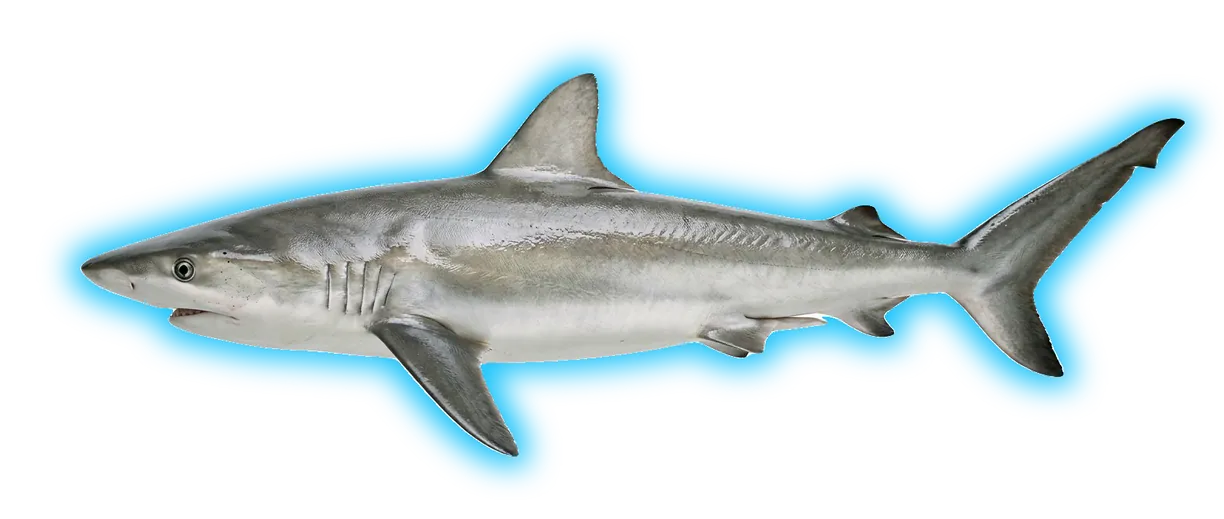
Also known as
null
About the Shark
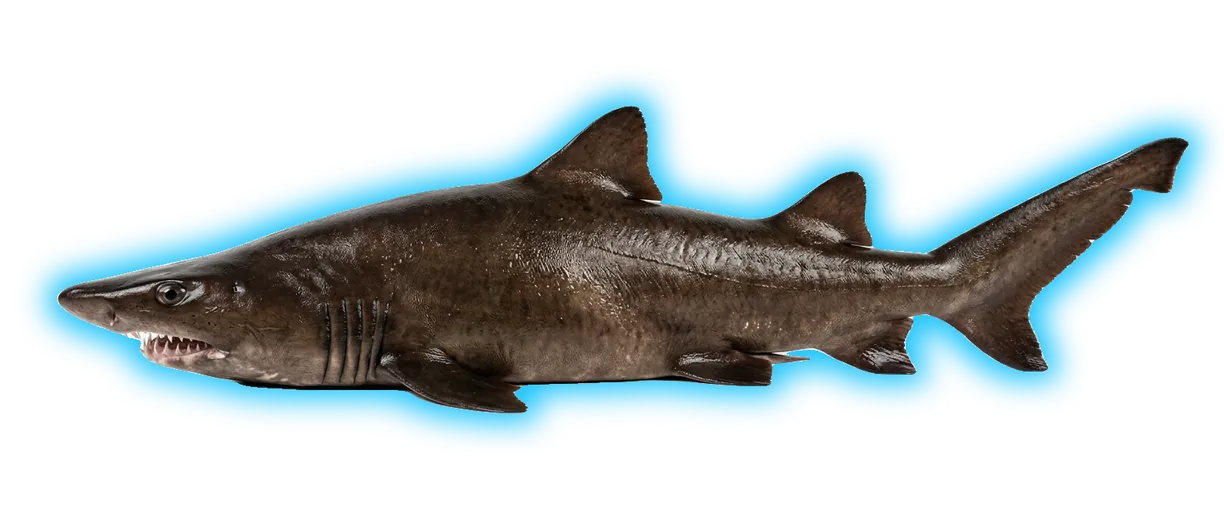
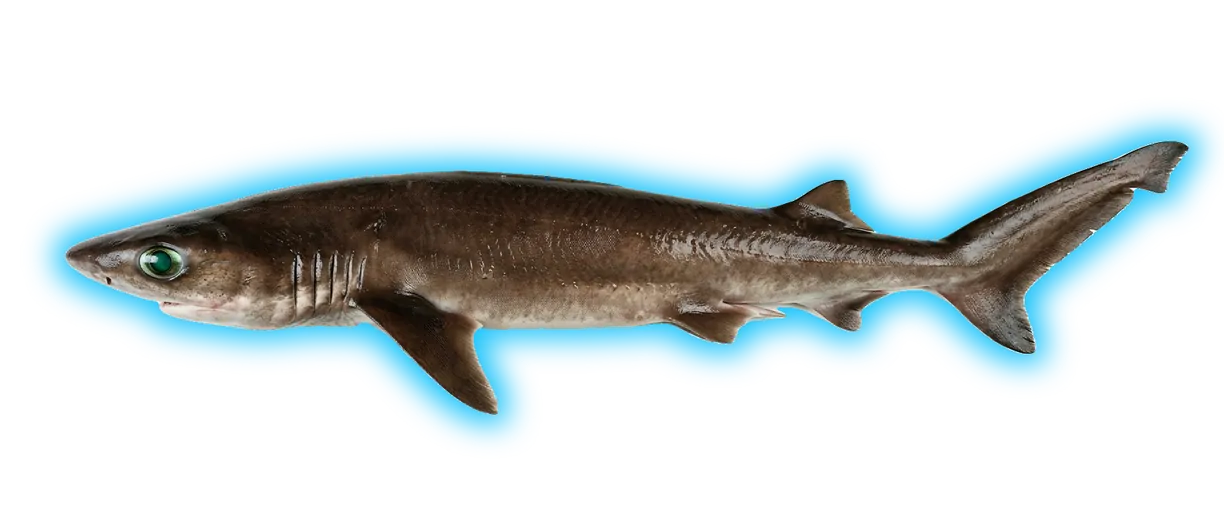
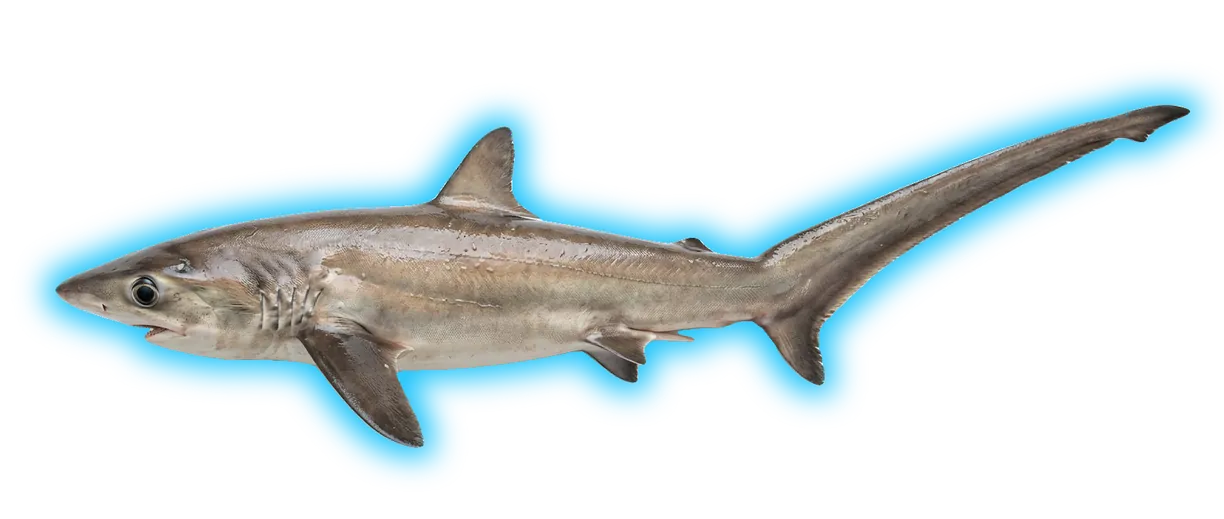
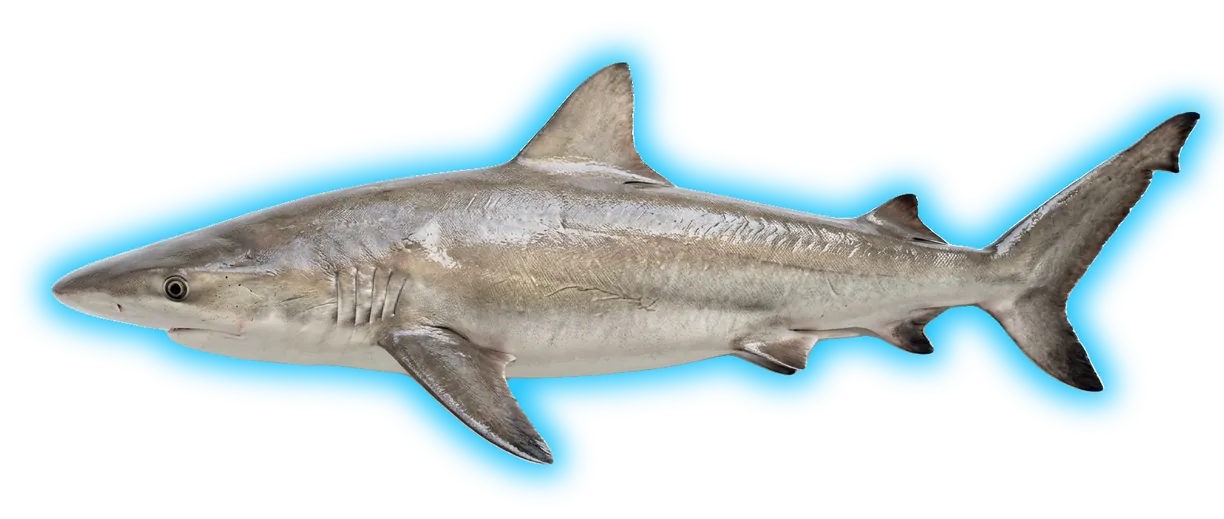
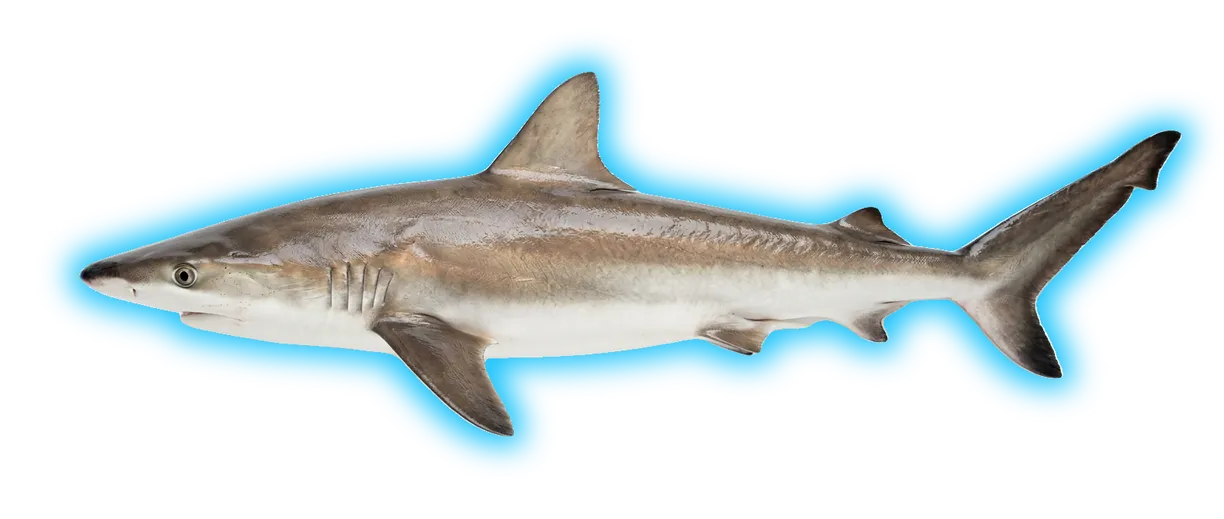
Sharks are fascinating cartilaginous fish, characterized by a skeleton made of cartilage rather than bone. They typically possess five to seven pairs of gill slits on each side, which open individually to the exterior, and have rigid dorsal fins. Their skin is covered in small, tooth-like placoid scales, giving them a rough texture. A distinctive feature is their formidable dentition, with teeth arranged in multiple series and a jaw not fused to the cranium, allowing for powerful bites.
Source: FishBase & iNaturalist
Shark Size & Bag Limits by State
Shark rules in 3 states.
| State | Size limit | Daily bag | Season |
|---|---|---|---|
| AlabamaStatewide saltwaterYear-round | 54" min | 1 | Year-round |
| MaineStatewide saltwaterYear-round · Year-round closed | None | Catch & release | Year-round · Year-round closed |
| North CarolinaYear-round · Year-round closed | None | 0 | Year-round · Year-round closed |
Statewide rules, or each area where a state sets limits by region. Many lakes and rivers have their own limits; pick a state or open its regulations page for water-specific rules. Always confirm with the state wildlife agency before keeping a fish.
Rules for a specific state
Pick a state to see its Shark rules, including lakes and rivers with their own limits.
Select a state
Always confirm with the official state agency before keeping a fish.
Best bait and lures for Shark
Angling for sharks typically involves using large, oily dead baits such as bonito, mackerel, or whole squid, presented on sturdy circle hooks to minimize gut hooking. Heavy-duty conventional tackle, robust monofilament or braided line, and a wire leader are essential to withstand their powerful runs and sharp teeth. Chumming is often effective to draw them closer to the boat or shore.
Is Shark good to eat?
★★★★★
While some species are prized for their firm, white meat, others can have a strong ammonia taste due to urea in their flesh if not properly bled and cleaned. When prepared correctly, shark meat can be an enjoyable option, often grilled, fried, or used in stews.
Shark habitat
Sharks inhabit a vast array of marine environments, from shallow coastal waters to the deep open ocean, and even some freshwater systems. They can be found in tropical, temperate, and polar seas, adapting to diverse conditions.
Where Shark are found
As a group, sharks are globally distributed, present in all the world's oceans. Their presence spans from near-shore nurseries to the abyssal plains, reflecting their wide ecological adaptability.
Shark behavior
Sharks are apex predators, exhibiting a wide range of feeding strategies from active pursuit to ambush hunting, preying on fish, marine mammals, and invertebrates. Their movements can be highly migratory, covering vast distances seasonally in search of food or breeding grounds. While generally solitary, some species can be observed in aggregations, especially during feeding frenzies or mating rituals.
Biggest Shark
No catches logged yet for Shark.
Be the first, download CatchVault and log your catch!
Tips & Tactics
Steelhead vs Rainbow Trout: Same Fish, Different Legal Rules
Steelhead and rainbow trout are the same species. How state laws define steelhead by length and water, the adipose fin rule, and how to tell them apart.
Channel vs Blue vs White vs Flathead Catfish: ID Guide
Tell channel, blue, white and flathead catfish apart by anal fin, tail and jaw, plus hardhead vs gafftop. Why the ID matters for limits and invasives.
Alewife vs Blueback Herring: River Herring & Shad ID Guide
How to tell alewife from blueback herring, and both from American, hickory and gizzard shad, plus why river herring harvest is closed in many states.
Related Species
Think You Can Top the Leaderboard?
CatchVault is available on iPhone and Android. Download the app, log your Shark catch, and see where you rank.