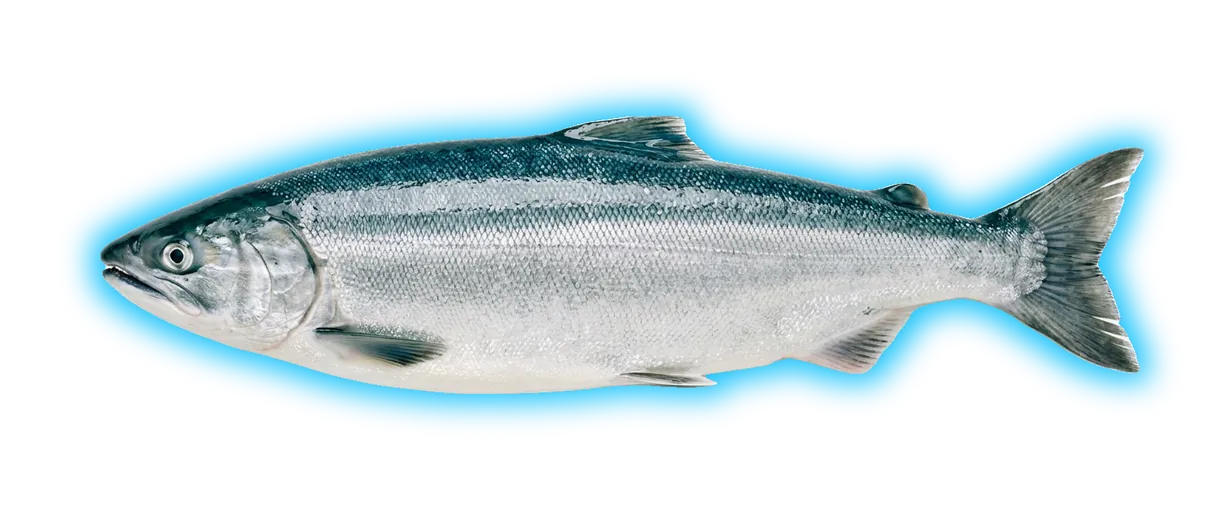
Sockeye Salmon
Oncorhynchus nerka
Also known as
red salmon, kokanee salmon, blueback salmon
About the Sockeye Salmon
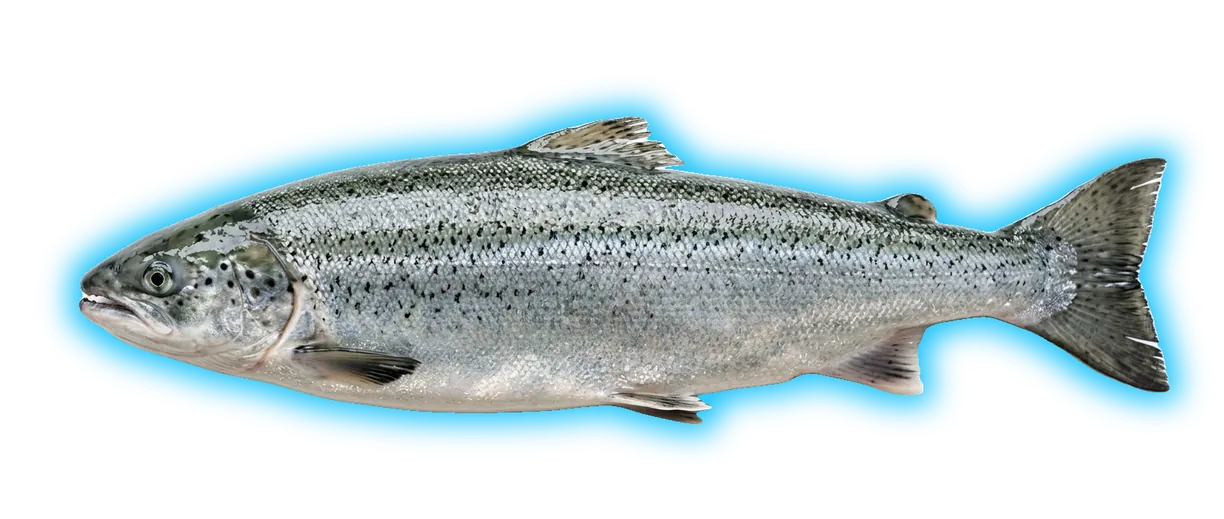
Sockeye Salmon are often recognized by their striking transformation during spawning, when their bodies turn a vibrant red and their heads become green. In their ocean phase, they typically display an iridescent blue-green back with shimmering silver sides, earning them the "blueback" moniker. They are medium-sized Pacific salmon, growing up to 84 cm (2 ft 9 in) in length and weighing between 2.3 to 7 kg (5.1-15.4 lbs). Their sleek, torpedo-shaped bodies are built for powerful migrations.
Source: FishBase & iNaturalist
Habitat
This anadromous species spends its early life in freshwater lakes and rivers, often for 1-3 years, before migrating to the vast Northern Pacific Ocean. After several years at sea, adults return to their natal freshwater systems to spawn, often traveling hundreds of miles upstream.
Distribution
Sockeye are widely distributed throughout the Northern Pacific Ocean, ranging from the rivers of western North America, including Alaska, British Columbia, and the Pacific Northwest, to eastern Siberia and northern Japan.
Behaviour
Unlike other Pacific salmon, Sockeye primarily feed on zooplankton and small invertebrates while in the ocean, making them filter feeders. This dietary preference contributes to their rich red flesh. They are renowned for their incredible stamina and strong migratory runs, swimming against powerful currents to reach their spawning grounds. During these runs, their focus is less on feeding and more on reproduction, which complicates angling efforts.
Edibility
★★★★★
Widely considered one of the finest eating salmon, Sockeye boast firm, bright red flesh with a rich, distinctive flavor. Its high oil content makes it excellent for grilling, baking, smoking, and canning, retaining moisture and taste exceptionally well.
Lure suggestion
Angling for Sockeye can be challenging due to their filter-feeding habits and reduced interest in food during spawning runs. Small, unbaited flies or bare hooks, often paired with a small spinner or dodger, are commonly used to provoke a strike. Light tackle and precise depth control are key, targeting fish in concentrated schools in rivers. Some anglers also use specific Sockeye jigs.
Sockeye Salmon Regulations
Select a state to see size limits, bag limits, and seasons for Sockeye Salmon.
Select a state
Always confirm with the official state agency before keeping a fish.
Biggest Sockeye Salmon
No catches logged yet for Sockeye Salmon.
Be the first, download CatchVault and log your catch!
Tips & Tactics
Summer Flounder from the New Jersey Surf: A Complete Guide
How to catch summer flounder (fluke) from the New Jersey beach — when and where to go, the best rigs, baits, and retrieves, and the gear that gets it done.
My Review of the Hobie Fleet: What's Best for Saltwater Kayak Fishing
A hands-on review of every Hobie MirageDrive fishing kayak and which model makes the most sense for inshore and open-water saltwater fishing.
How to Jig Giant Plastic Eels for 40"+ Striped Bass
The complete guide to fishing oversized soft plastic eels for trophy striped bass — gear, technique, locations, and timing.
Related Species
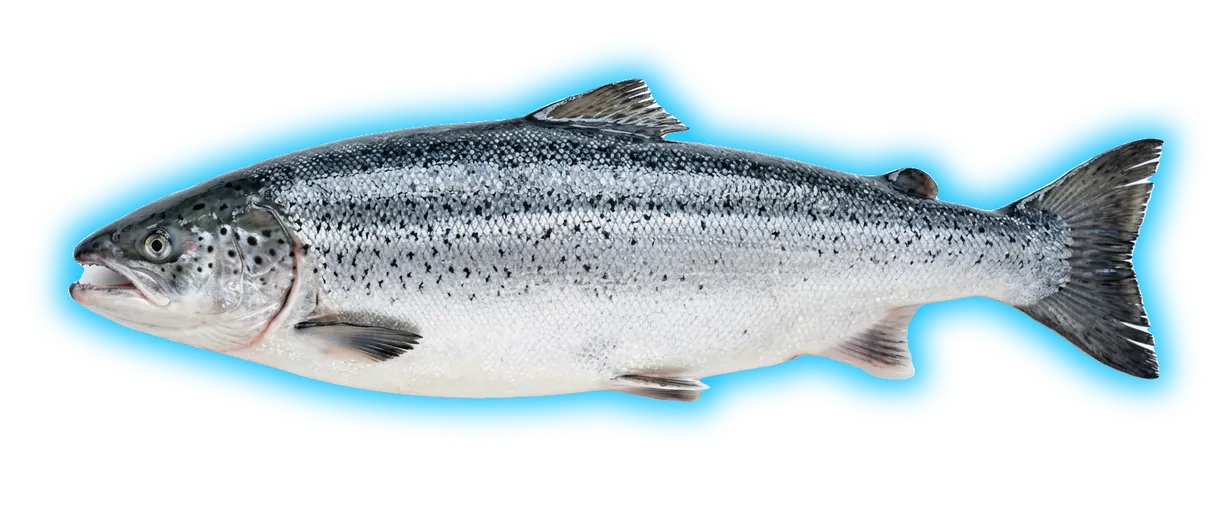
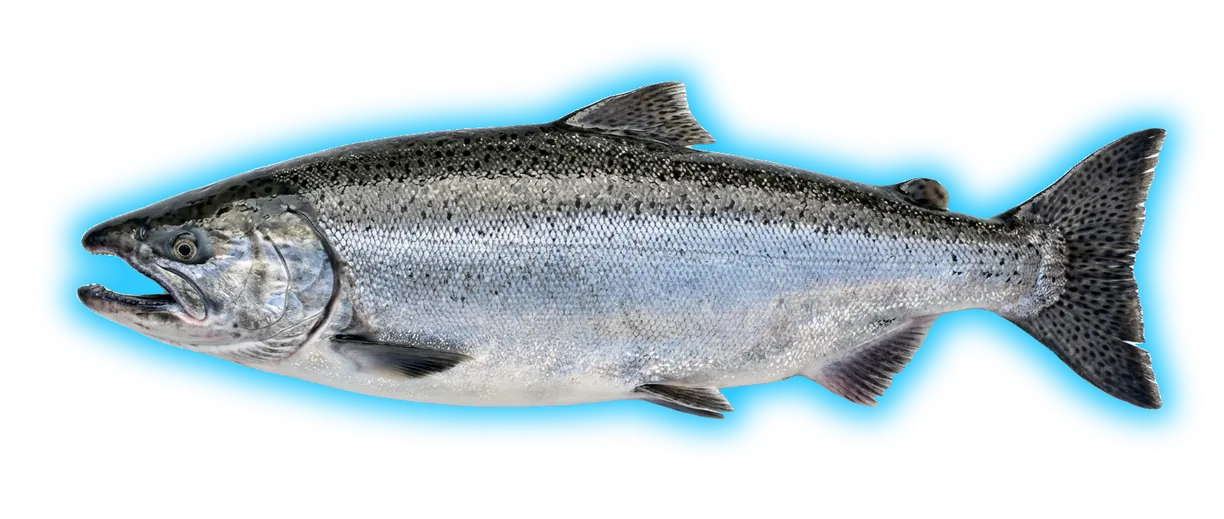
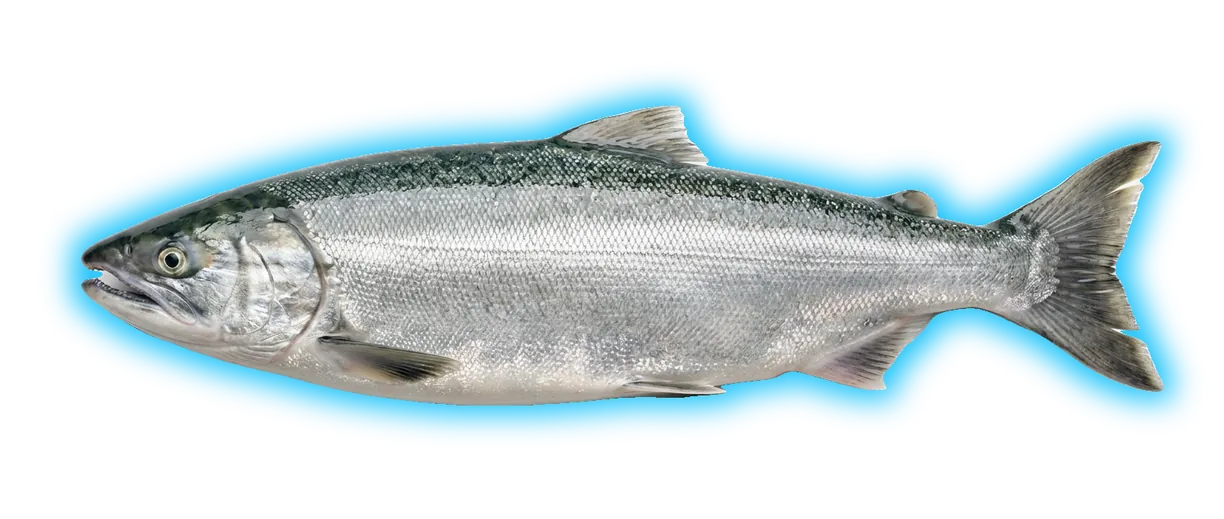
Where to Catch Sockeye Salmon
States where Sockeye Salmon is found, based on CatchVault's waterbody commonality data.
Think You Can Top the Leaderboard?
CatchVault is available on iOS. Download the app, log your Sockeye Salmon catch, and see where you rank.