Sturgeon
Size & bag limits by stateAlso known as
Diamondback, Dinosaur Fish, Living Fossil
About the Sturgeon
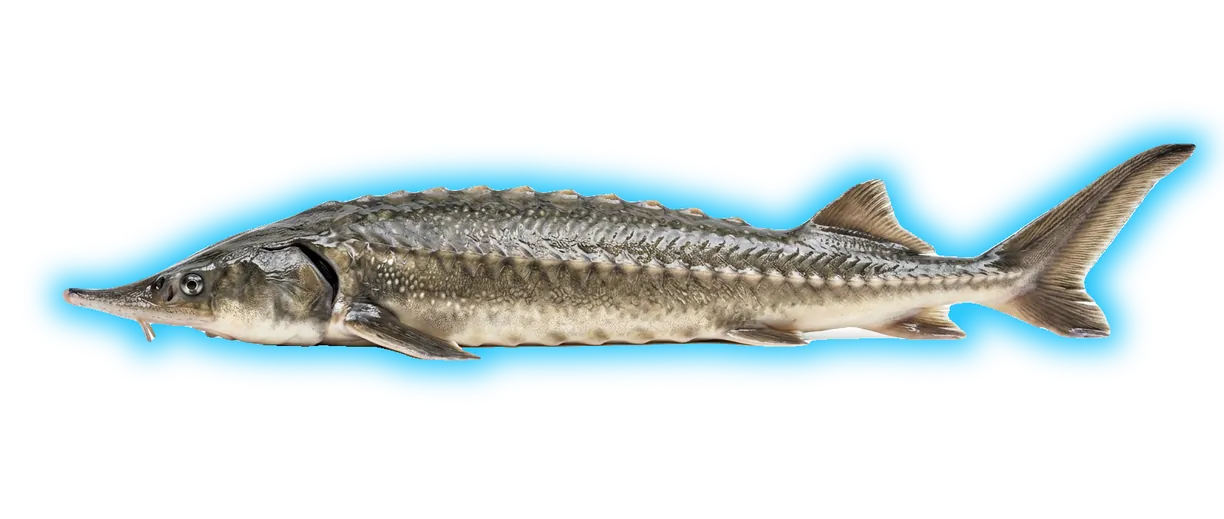
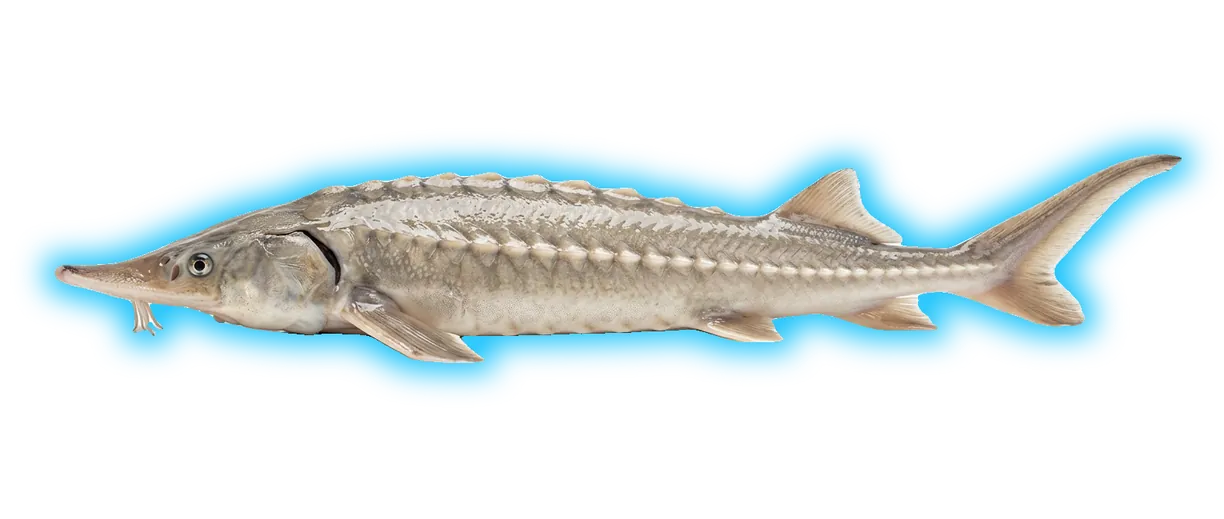
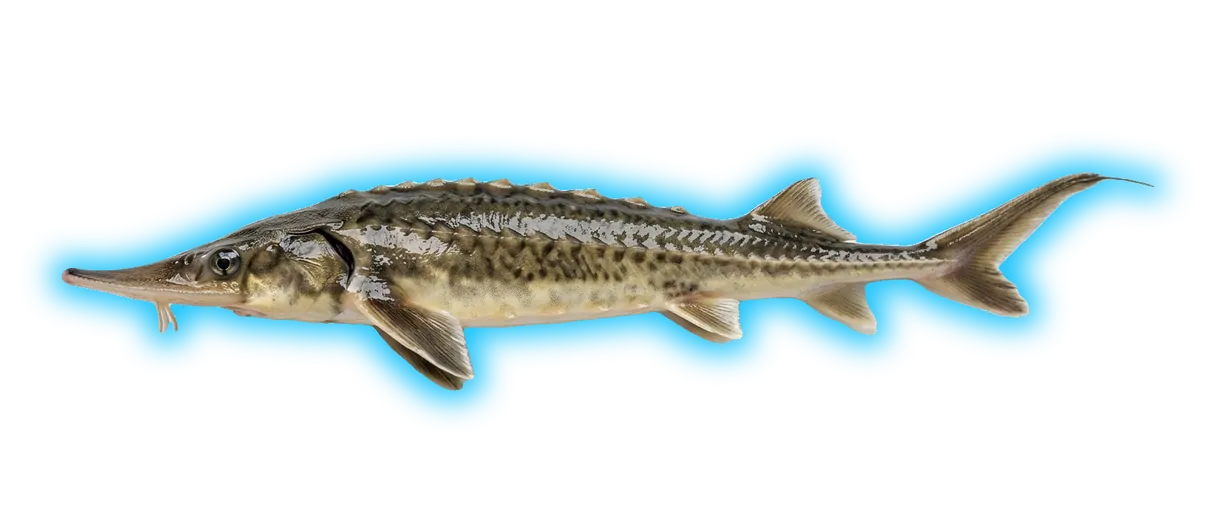
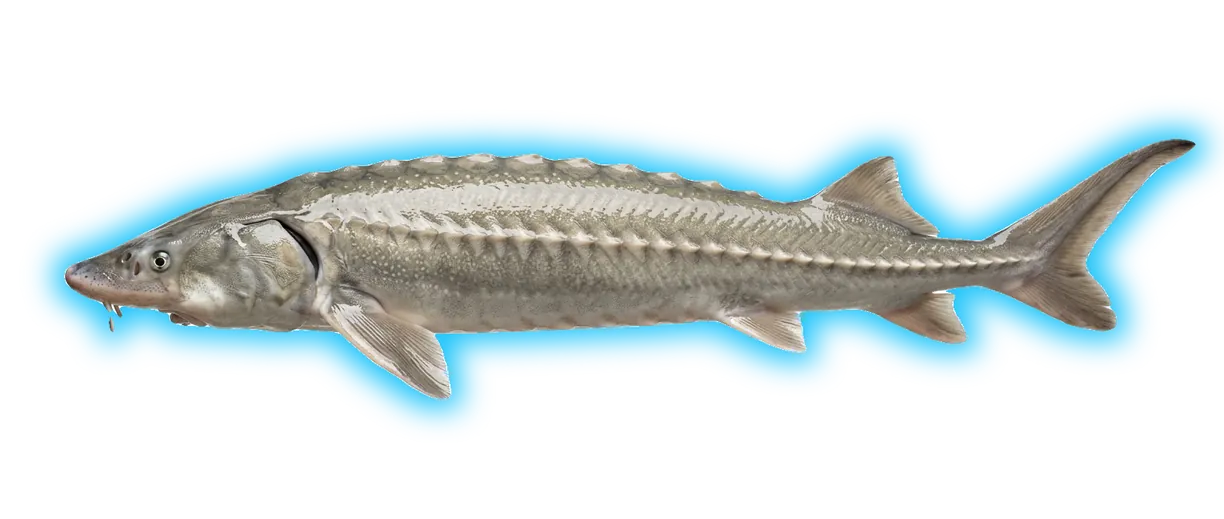
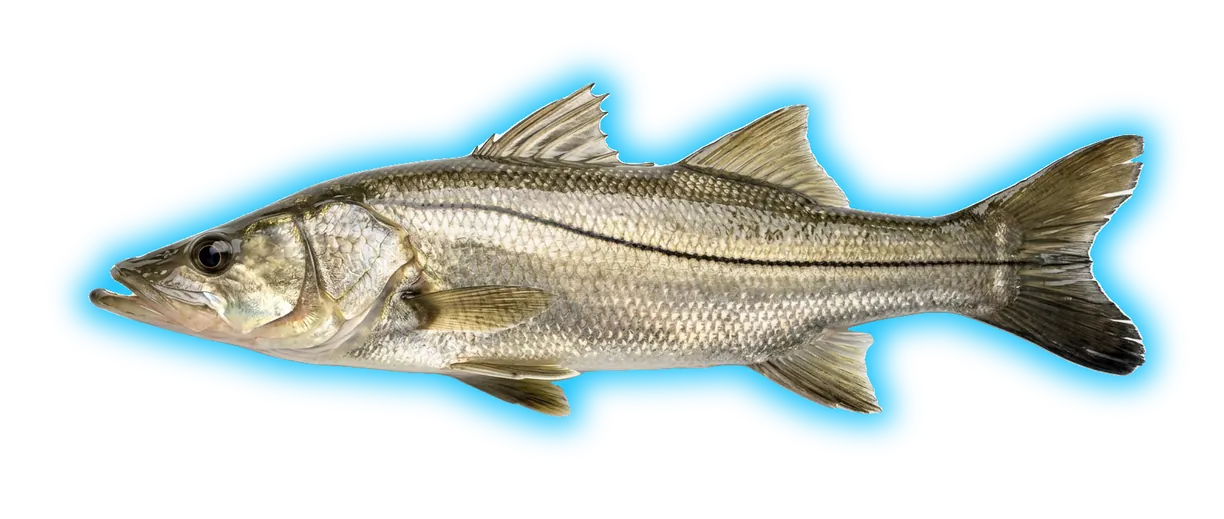
Sturgeon are ancient, prehistoric-looking fish characterized by their elongated bodies, bony plates (scutes) instead of scales, and a distinctive heterocercal (shark-like) tail. Their snouts are typically long and pointed, with four barbels located underneath, which they use to detect food on the riverbed. These impressive fish can grow to immense sizes, often exceeding several feet in length and weighing hundreds of pounds, making them a formidable catch for any angler.
Source: FishBase & iNaturalist
Sturgeon Size & Bag Limits by State
Sturgeon rules in 8 states.
| State | Size limit | Daily bag | Season |
|---|---|---|---|
| AlabamaYear-round · Year-round closed | None | 0 | Year-round · Year-round closed |
| ConnecticutYear-round · Year-round closed | None | 0 | Year-round · Year-round closed |
| MaineYear-round · Year-round closed | None | Catch & release | Year-round · Year-round closed |
| MississippiYear-round · Year-round closed | None | 0 | Year-round · Year-round closed |
| New YorkYear-round · Closed | None | 0 | Year-round · Closed |
| North CarolinaYear-round · Year-round closed | None | 0 | Year-round · Year-round closed |
| PennsylvaniaDelaware River and EstuaryYear-round · Closed | None | Catch & release | Year-round · Closed |
| VirginiaAtlantic Ocean and Coastal Bays (Virginia)Year-round · Year-round closed | None | 0 | Year-round · Year-round closed |
| Chesapeake Bay (Virginia)Year-round · Year-round closed | None | 0 | Year-round · Year-round closed |
Statewide rules, or each area where a state sets limits by region. Many lakes and rivers have their own limits; pick a state or open its regulations page for water-specific rules. Always confirm with the state wildlife agency before keeping a fish.
Rules for a specific state
Pick a state to see its Sturgeon rules, including lakes and rivers with their own limits.
Select a state
Always confirm with the official state agency before keeping a fish.
Best bait and lures for Sturgeon
Anglers targeting sturgeon require heavy-duty tackle due to their size and strength. Effective baits include fresh cut bait such as herring, smelt, sardine, and lamprey, as well as large nightcrawlers or roe sacks, fished on the bottom. A heavy sinker to hold the bait in place against current and a strong, sharp circle hook (6/0 to 10/0) are essential for successful hook-ups.
Is Sturgeon good to eat?
★★★★★
Sturgeon meat is highly prized for its firm, white, and mild-flavored flesh, often compared to swordfish or veal. It is excellent grilled, smoked, or pan-fried. The roe of sturgeon is also the source of premium caviar, making them one of the most valuable fish commercially.
Sturgeon habitat
These fascinating fish are primarily bottom dwellers, inhabiting a range of environments from large freshwater rivers and lakes to estuaries and coastal marine waters. Many sturgeon species are anadromous, migrating between saltwater and freshwater for spawning. They prefer deep, slow-moving sections of rivers with soft, muddy, or sandy bottoms where they can forage.
Where Sturgeon are found
Sturgeon are found across the Northern Hemisphere, with species distributed throughout temperate regions of North America, Europe, and Asia. Their populations are often localized to specific major river systems and their associated coastal areas.
Sturgeon behavior
Sturgeon are opportunistic bottom feeders, using their sensitive barbels to locate prey such as insects, crustaceans, mollusks, and small fish. They employ a unique suction feeding method, extending a tube-like mouth to vacuum up food from the substrate. While generally slow-moving, they are powerful swimmers, undertaking significant migrations, especially for spawning runs upriver during specific seasons.
Biggest Sturgeon
No catches logged yet for Sturgeon.
Be the first, download CatchVault and log your catch!
Tips & Tactics
Steelhead vs Rainbow Trout: Same Fish, Different Legal Rules
Steelhead and rainbow trout are the same species. How state laws define steelhead by length and water, the adipose fin rule, and how to tell them apart.
Channel vs Blue vs White vs Flathead Catfish: ID Guide
Tell channel, blue, white and flathead catfish apart by anal fin, tail and jaw, plus hardhead vs gafftop. Why the ID matters for limits and invasives.
Alewife vs Blueback Herring: River Herring & Shad ID Guide
How to tell alewife from blueback herring, and both from American, hickory and gizzard shad, plus why river herring harvest is closed in many states.
Related Species
Where to Catch Sturgeon
States where Sturgeon is found, based on CatchVault's waterbody commonality data.
Think You Can Top the Leaderboard?
CatchVault is available on iPhone and Android. Download the app, log your Sturgeon catch, and see where you rank.