Also known as
Ghost Shrimp, Pacific Ghost Shrimp, California Ghost Shrimp
About the Bay Shrimp
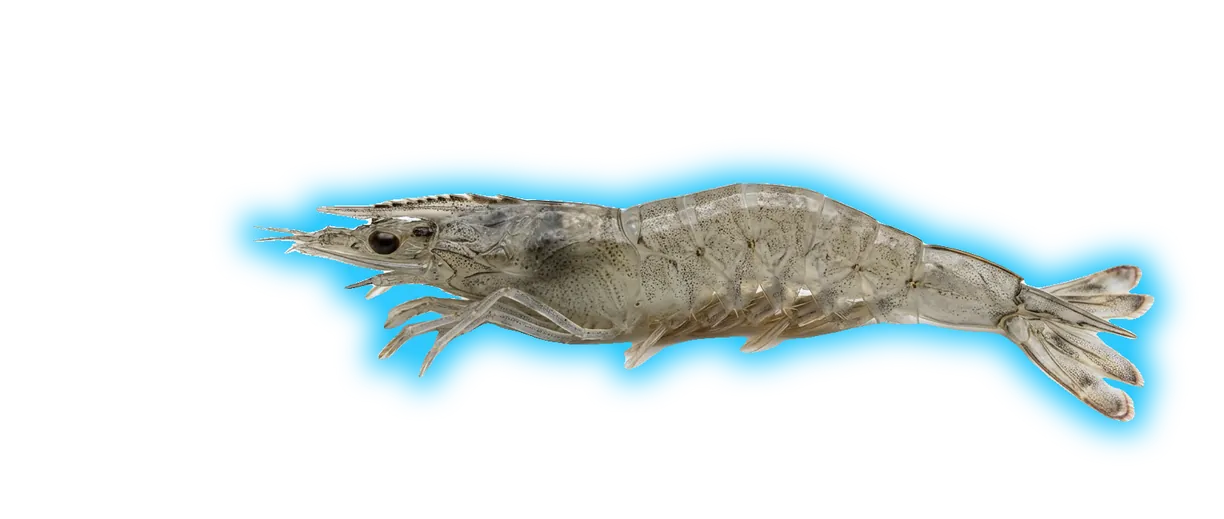
These fascinating crustaceans are pale, almost translucent, reaching up to 4.5 inches (11.5 cm) in length. A key identifying feature is their disproportionate claws, with one significantly larger than the other, particularly noticeable in males. This larger claw is not just for show; it's thought to play a role in mating rituals. Their soft, somewhat fragile bodies are perfectly adapted for burrowing, which is their primary mode of life.
Source: FishBase & iNaturalist
Bay Shrimp Size & Bag Limits by State
Bay Shrimp rules in 1 state.
| State | Size limit | Daily bag | Season |
|---|---|---|---|
| CaliforniaStatewide saltwaterYear-round | None | — | Year-round |
— means the state sets no daily bag number for this species.
Statewide rules, or each area where a state sets limits by region. Many lakes and rivers have their own limits; pick a state or open its regulations page for water-specific rules. Always confirm with the state wildlife agency before keeping a fish.
Rules for a specific state
Pick a state to see its Bay Shrimp rules, including lakes and rivers with their own limits.
Select a state
Always confirm with the official state agency before keeping a fish.
Best bait and lures for Bay Shrimp
Bay Shrimp are prized bait for their natural scent and soft texture, irresistible to many species. They are best fished on a Carolina rig or a simple dropper loop rig with a light leader and a small, sharp hook (size 4 to 2/0, depending on target species). Hook them carefully through the tail or the harder carapace behind the head to keep them lively and secure on the hook for species like surf perch, halibut, and croakers.
Bay Shrimp habitat
Bay Shrimp are masters of the intertidal zone, creating intricate, extensive burrow systems in the soft mud and sand of bays, estuaries, and protected coastal areas. They prefer substrates where they can dig deep, often found in the lower intertidal to subtidal regions.
Where Bay Shrimp are found
These shrimp are found along the entire Pacific coast of North America, from Alaska down to Baja California. They are common residents of suitable muddy and sandy bay habitats throughout this range.
Bay Shrimp behavior
Bay Shrimp are diligent deposit feeders, constantly sifting through the sediment within their burrows to extract organic detritus and small particles. They spend almost their entire lives within these self-made underground labyrinths, rarely venturing out. While primarily sedentary within their burrows, they do move within these tunnels and engage in reproductive activities, with the male's large claw potentially playing a role in attracting mates.
Biggest Bay Shrimp
No catches logged yet for Bay Shrimp.
Be the first, download CatchVault and log your catch!
Tips & Tactics
Almaco Jack vs Amberjack: Greater, Lesser & Rudderfish ID
Almaco jack vs greater amberjack vs lesser amberjack vs banded rudderfish: eye stripe, fin lobes, spine counts, and why a wrong ID can break size limits.
Steelhead vs Rainbow Trout: Same Fish, Different Legal Rules
Steelhead and rainbow trout are the same species. How state laws define steelhead by length and water, the adipose fin rule, and how to tell them apart.
Channel vs Blue vs White vs Flathead Catfish: ID Guide
Tell channel, blue, white and flathead catfish apart by anal fin, tail and jaw, plus hardhead vs gafftop. Why the ID matters for limits and invasives.
Related Species
Think You Can Top the Leaderboard?
CatchVault is available on iPhone and Android. Download the app, log your Bay Shrimp catch, and see where you rank.