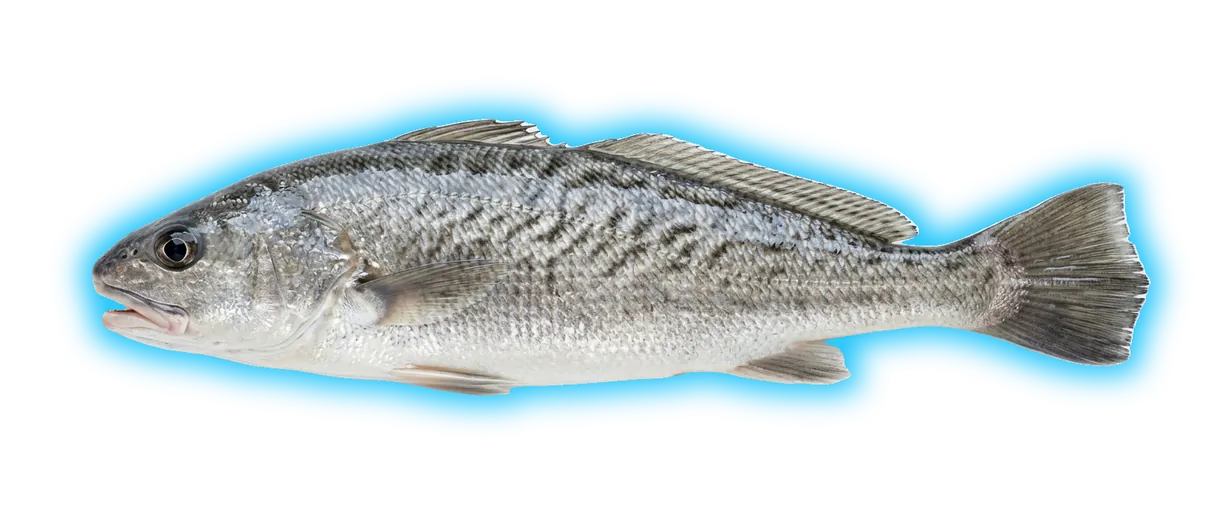
Also known as
Corbina, Whiting, Beanfish
About the California Corbina
The California Corbina is a sleek, silver-gray fish with a distinct, slightly elongated body, often featuring faint diagonal stripes. It possesses a single, fleshy barbel under its chin, which it uses to root for food in the sand. Growing up to 28 inches and 8.5 pounds, this croaker is a powerful fighter on light tackle.
Source: FishBase & iNaturalist
California Corbina Size & Bag Limits by State
California Corbina rules in 1 state.
| State | Size limit | Daily bag | Season |
|---|---|---|---|
| CaliforniaStatewide saltwaterYear-round | None | 10 | Year-round |
Statewide rules, or each area where a state sets limits by region. Many lakes and rivers have their own limits; pick a state or open its regulations page for water-specific rules. Always confirm with the state wildlife agency before keeping a fish.
Rules for a specific state
Pick a state to see its California Corbina rules, including lakes and rivers with their own limits.
Select a state
Always confirm with the official state agency before keeping a fish.
Best bait and lures for California Corbina
The most effective baits are live sand crabs, ghost shrimp, or bloodworms, fished on a Carolina rig with a light line and a small, sharp hook (e.g., size 4 or 2). Cast beyond the breaking waves and allow the bait to drift naturally with the current.
Is California Corbina good to eat?
★★★★★
Highly regarded for its firm, white, and mild-flavored flesh, the California Corbina makes excellent table fare. It's delicious pan-fried, baked, or grilled.
California Corbina habitat
These active bottom dwellers prefer sandy beaches and shallow bays, often found right in the turbulent surf zone. They can be spotted in water as shallow as a few inches, but also frequent depths up to 45 feet.
Where California Corbina are found
Its range extends from the warmer waters of the Gulf of California, Mexico, north along the Pacific coast to Point Conception, California.
California Corbina behavior
California Corbina are constantly on the move, cruising in small groups through the surf to forage. They use their sensitive chin barbel to detect and dig for sand crabs, worms, and other small invertebrates buried in the sand. This constant rooting behavior is key to their feeding strategy.
Biggest California Corbina
No catches logged yet for California Corbina.
Be the first, download CatchVault and log your catch!
Tips & Tactics
Almaco Jack vs Amberjack: Greater, Lesser & Rudderfish ID
Almaco jack vs greater amberjack vs lesser amberjack vs banded rudderfish: eye stripe, fin lobes, spine counts, and why a wrong ID can break size limits.
Steelhead vs Rainbow Trout: Same Fish, Different Legal Rules
Steelhead and rainbow trout are the same species. How state laws define steelhead by length and water, the adipose fin rule, and how to tell them apart.
Channel vs Blue vs White vs Flathead Catfish: ID Guide
Tell channel, blue, white and flathead catfish apart by anal fin, tail and jaw, plus hardhead vs gafftop. Why the ID matters for limits and invasives.
Related Species
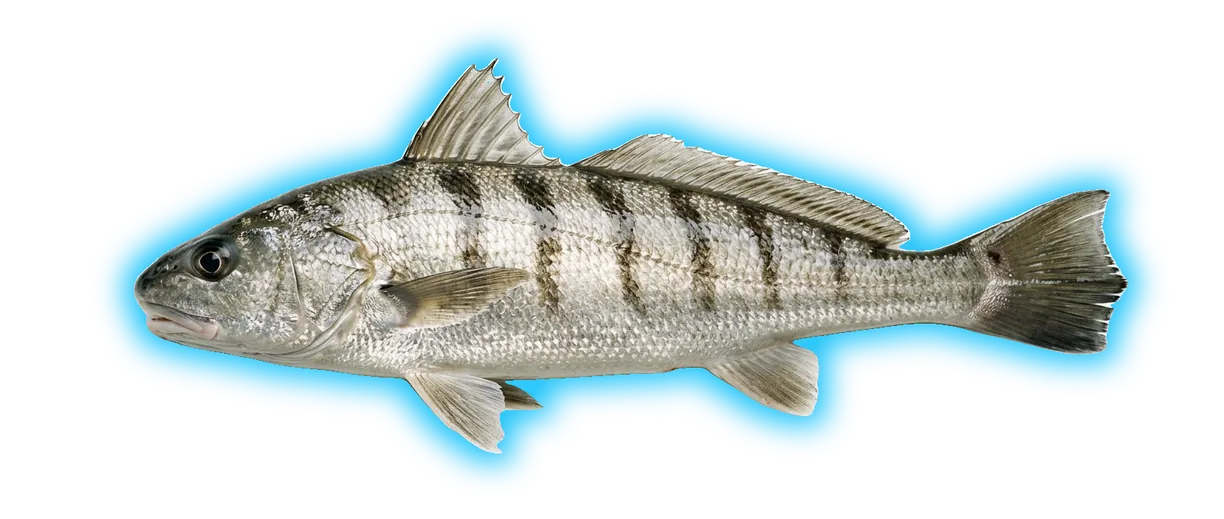
Where to Catch California Corbina
States where California Corbina is found, based on CatchVault's waterbody commonality data.
Think You Can Top the Leaderboard?
CatchVault is available on iPhone and Android. Download the app, log your California Corbina catch, and see where you rank.