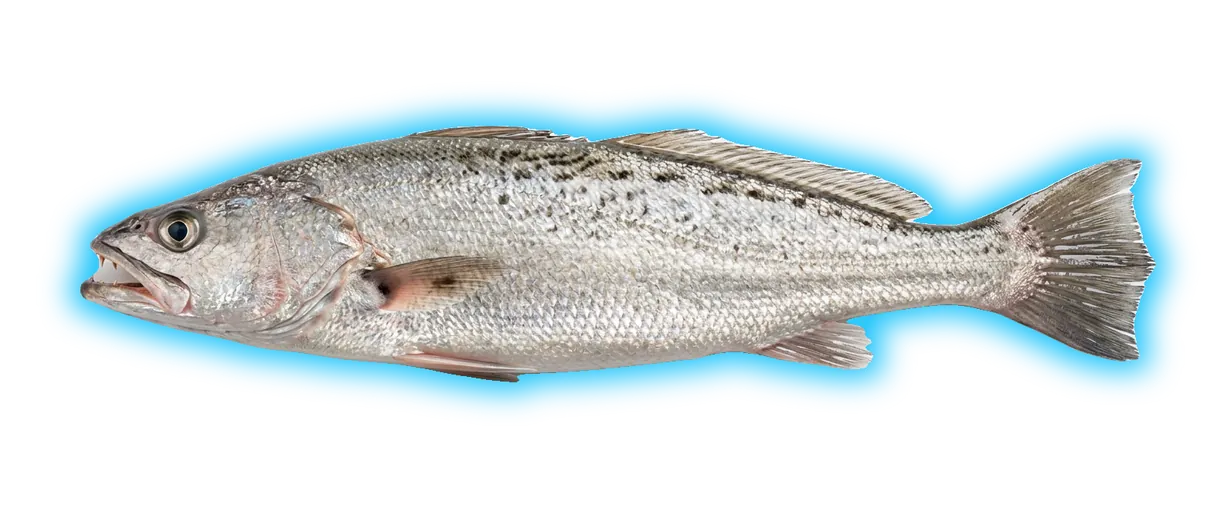
Corvina
Size & bag limits by stateAlso known as
Sea Trout, Croaker
About the Corvina
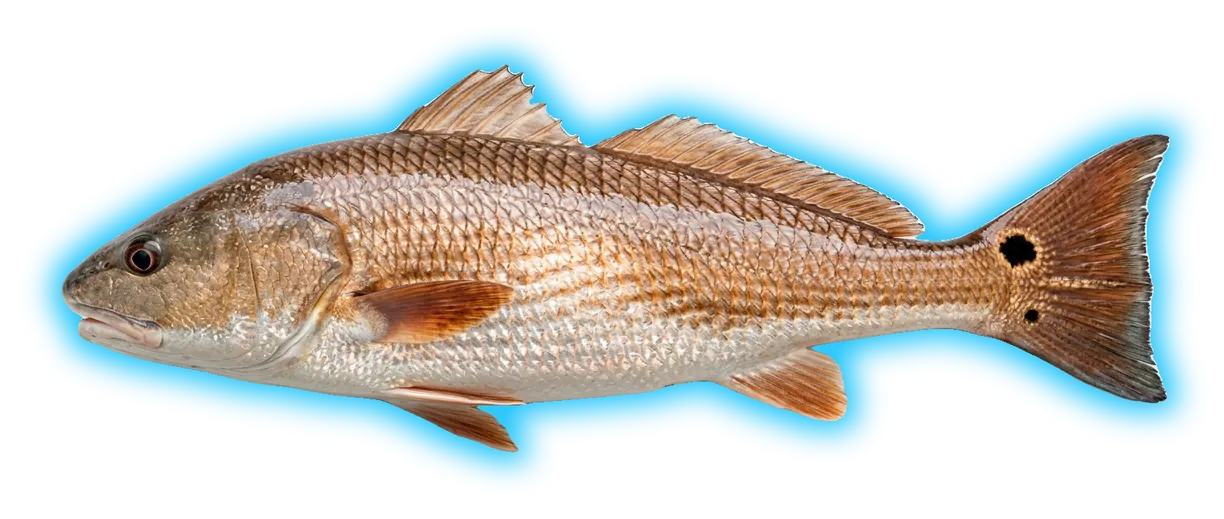
These sleek, silvery fish typically sport an elongated body, often with a slightly compressed profile that tapers towards the tail. Many species display subtle iridescent hues or faint lateral lines, adding to their understated beauty. Look for their often-large mouths and prominent fins, indicative of their predatory nature in coastal waters.
Source: FishBase & iNaturalist
Corvina Size & Bag Limits by State
Corvina rules in 1 state.
| State | Size limit | Daily bag | Season |
|---|---|---|---|
| CaliforniaSalton SeaYear-round | 18" min | 2 | Year-round |
Statewide rules, or each area where a state sets limits by region. Many lakes and rivers have their own limits; pick a state or open its regulations page for water-specific rules. Always confirm with the state wildlife agency before keeping a fish.
Rules for a specific state
Pick a state to see its Corvina rules, including lakes and rivers with their own limits.
Select a state
Always confirm with the official state agency before keeping a fish.
Best bait and lures for Corvina
Target Corvina with a variety of offerings: live shrimp, small baitfish like anchovies or mullet, and cut bait are highly effective. For artificials, try soft plastic jigs, spoons, and small swimbaits retrieved near the bottom or through the surf. Topwater lures can also entice aggressive feeders.
Is Corvina good to eat?
★★★★★
Corvina are highly prized for their delicate, flaky white meat and mild flavor, making them excellent table fare. They are versatile in the kitchen, delicious whether fried, baked, grilled, or used in ceviche.
Corvina habitat
Corvina are most frequently found in temperate and tropical coastal environments, favoring sandy bottoms, surf zones, and estuaries. They often congregate around structure such as jetties, reefs, or submerged vegetation, and some species tolerate brackish or even freshwater.
Where Corvina are found
As a broad group, Corvina species inhabit coastal waters across the globe, with a particularly strong presence along the Pacific and Atlantic coasts of the Americas, as well as parts of Africa and Asia.
Corvina behavior
These opportunistic predators primarily feed on smaller baitfish, shrimp, crabs, and marine worms, often hunting in schools. They are known for the distinctive "drumming" sounds they produce using their swim bladders, especially during spawning or territorial displays. Their feeding activity can vary, with some species being more active at dawn, dusk, or during night tides.
Biggest Corvina
No catches logged yet for Corvina.
Be the first, download CatchVault and log your catch!
Tips & Tactics
Steelhead vs Rainbow Trout: Same Fish, Different Legal Rules
Steelhead and rainbow trout are the same species. How state laws define steelhead by length and water, the adipose fin rule, and how to tell them apart.
Channel vs Blue vs White vs Flathead Catfish: ID Guide
Tell channel, blue, white and flathead catfish apart by anal fin, tail and jaw, plus hardhead vs gafftop. Why the ID matters for limits and invasives.
Alewife vs Blueback Herring: River Herring & Shad ID Guide
How to tell alewife from blueback herring, and both from American, hickory and gizzard shad, plus why river herring harvest is closed in many states.
Related Species
Think You Can Top the Leaderboard?
CatchVault is available on iPhone and Android. Download the app, log your Corvina catch, and see where you rank.