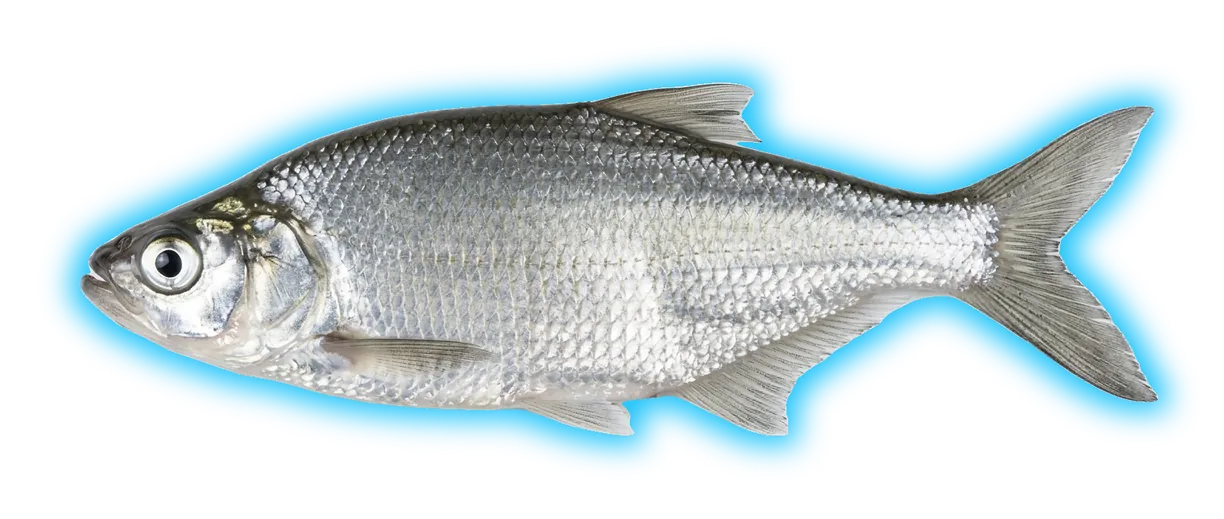
Mooneye
Size & bag limits by stateAlso known as
Silver Bass, Ohio Shad, River Herring
IUCN status
Least ConcernAbout the Mooneye
The Mooneye is a striking fish characterized by its large, prominent, reflective eyes, which give it its common name. Its body is slender and compressed, boasting brilliant silvery scales that make it shimmer in the water. It typically has a deeply forked tail and a small, upturned mouth.
Source: FishBase & iNaturalist
Mooneye Size & Bag Limits by State
Mooneye rules in 1 state.
| State | Size limit | Daily bag | Season |
|---|---|---|---|
| MinnesotaYear-round | None | — | Year-round |
— means the state sets no daily bag number for this species.
Statewide rules, or each area where a state sets limits by region. Many lakes and rivers have their own limits; pick a state or open its regulations page for water-specific rules. Always confirm with the state wildlife agency before keeping a fish.
Rules for a specific state
Pick a state to see its Mooneye rules, including lakes and rivers with their own limits.
Select a state
Always confirm with the official state agency before keeping a fish.
Best bait and lures for Mooneye
Target Mooneye with small, flashy lures such as spoons, spinners, or jigs, especially those mimicking minnows. Fly anglers can find success with small streamer patterns. Live minnows, fished under a bobber or on a drift rig, are also highly effective, particularly around dawn or dusk.
Is Mooneye good to eat?
★★★★★
Mooneye offer delicious, flaky white meat with a mild flavor, making them excellent table fare. While quite bony, the effort to separate the meat is often considered worthwhile for their taste.
Mooneye habitat
These fish prefer clear to slightly turbid waters in large rivers, lakes, and impoundments. They often congregate in areas with moderate currents, preferring deep pools, channels, or near submerged structures and vegetation.
Where Mooneye are found
Mooneye are native to North America, widely distributed across the central and eastern United States and parts of Canada. Their range includes the Great Lakes basin and major river systems such as the Mississippi, Ohio, and Missouri.
Mooneye behavior
Primarily nocturnal feeders, Mooneye use their exceptional eyesight to hunt small schooling fish, aquatic insects, and crustaceans. They are often found in schools, making them a fun target once located. When hooked, they are known for their spirited fight and acrobatic jumps, providing an exciting challenge for anglers.
Biggest Mooneye
No catches logged yet for Mooneye.
Be the first, download CatchVault and log your catch!
Tips & Tactics
Summer Flounder from the New Jersey Surf: A Complete Guide
How to catch summer flounder (fluke) from the New Jersey beach — when and where to go, the best rigs, baits, and retrieves, and the gear that gets it done.
How to Jig Giant Plastic Eels for 40"+ Striped Bass
The complete guide to fishing oversized soft plastic eels for trophy striped bass — gear, technique, locations, and timing.
My Review of the Hobie Fleet: What's Best for Saltwater Kayak Fishing
A hands-on review of every Hobie MirageDrive fishing kayak and which model makes the most sense for inshore and open-water saltwater fishing.
Think You Can Top the Leaderboard?
CatchVault is available on iPhone and Android. Download the app, log your Mooneye catch, and see where you rank.