Also known as
Blue Pilchard, Californian Pilchard, Japanese Pilchard, Blue-bait
About the Pacific Sardine
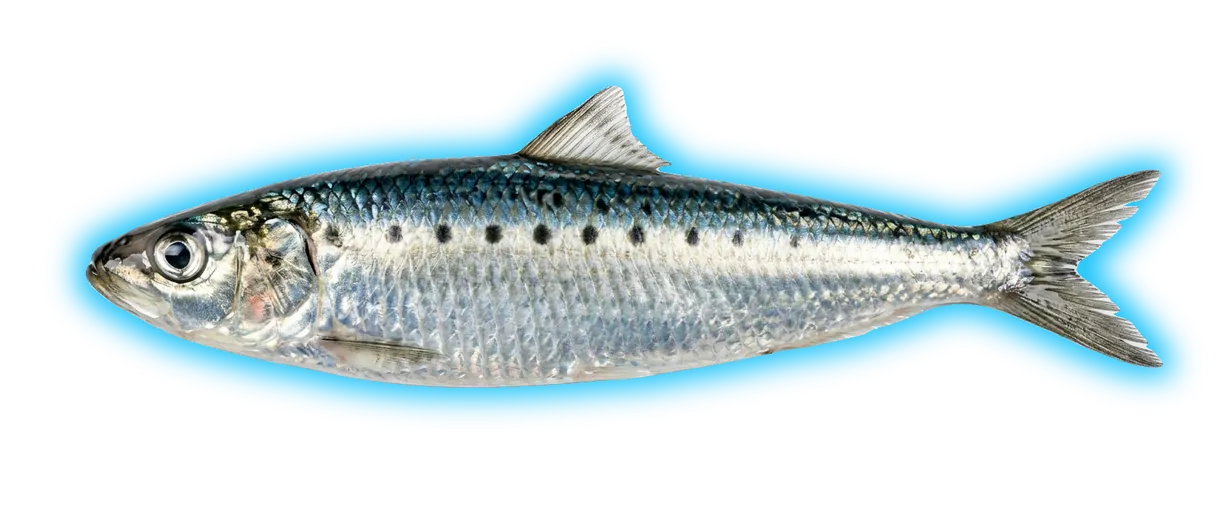
The Pacific Sardine is a sleek, silvery fish, typically sporting iridescent blue-green hues along its back that fade into a bright silver belly. It has a streamlined body, a relatively small head, and a single dorsal fin. Reaching lengths of up to 16 inches, these torpedo-shaped fish are built for speed and schooling in open waters, reflecting sunlight off their scales as they move.
Source: FishBase & iNaturalist
Pacific Sardine Size & Bag Limits by State
Pacific Sardine rules in 3 states.
| State | Size limit | Daily bag | Season |
|---|---|---|---|
| CaliforniaStatewide saltwaterYear-round | None | No limit | Year-round |
| OregonStatewide saltwaterYear-round | None | — | Year-round |
| WashingtonYear-round · Rivers: open during game fish or salmon seasons | None | — | Year-round · Rivers: open during game fish or salmon seasons |
— means the state sets no daily bag number for this species.
Statewide rules, or each area where a state sets limits by region. Many lakes and rivers have their own limits; pick a state or open its regulations page for water-specific rules. Always confirm with the state wildlife agency before keeping a fish.
Rules for a specific state
Pick a state to see its Pacific Sardine rules, including lakes and rivers with their own limits.
Select a state
Always confirm with the official state agency before keeping a fish.
Best bait and lures for Pacific Sardine
Anglers targeting Pacific Sardines often find success using small hooks tipped with tiny pieces of squid, cut bait, or even bread under a bobber. Sabiki rigs are exceptionally effective for catching multiple sardines quickly, as these specialized rigs mimic small schools of prey. Chumming with ground bait can draw in large schools, making them easier to target.
Is Pacific Sardine good to eat?
★★★★★
Known for their rich, oily flesh, Pacific Sardines are a flavorful and nutritious choice, packed with omega-3 fatty acids. They are excellent when grilled, pan-fried, or smoked, offering a robust, distinct taste.
Pacific Sardine habitat
These pelagic schooling fish inhabit open ocean waters, typically found in coastal regions and offshore zones where they form massive aggregations. They prefer temperate to sub-tropical environments, moving with the currents and food availability.
Where Pacific Sardine are found
The Pacific Sardine boasts a wide distribution across the Indo-Pacific and East Pacific oceans, ranging from the coasts of North and South America to parts of Asia and Australia.
Pacific Sardine behavior
Pacific Sardines are primarily filter feeders, consuming plankton and small invertebrates as they swim with their mouths open. They are renowned for their incredibly tight schooling behavior, a defensive strategy against predators. These schools often undertake extensive migrations driven by water temperature, food sources, and spawning cycles.
Biggest Pacific Sardine
No catches logged yet for Pacific Sardine.
Be the first, download CatchVault and log your catch!
Tips & Tactics
Steelhead vs Rainbow Trout: Same Fish, Different Legal Rules
Steelhead and rainbow trout are the same species. How state laws define steelhead by length and water, the adipose fin rule, and how to tell them apart.
Channel vs Blue vs White vs Flathead Catfish: ID Guide
Tell channel, blue, white and flathead catfish apart by anal fin, tail and jaw, plus hardhead vs gafftop. Why the ID matters for limits and invasives.
Alewife vs Blueback Herring: River Herring & Shad ID Guide
How to tell alewife from blueback herring, and both from American, hickory and gizzard shad, plus why river herring harvest is closed in many states.
Related Species
Think You Can Top the Leaderboard?
CatchVault is available on iPhone and Android. Download the app, log your Pacific Sardine catch, and see where you rank.