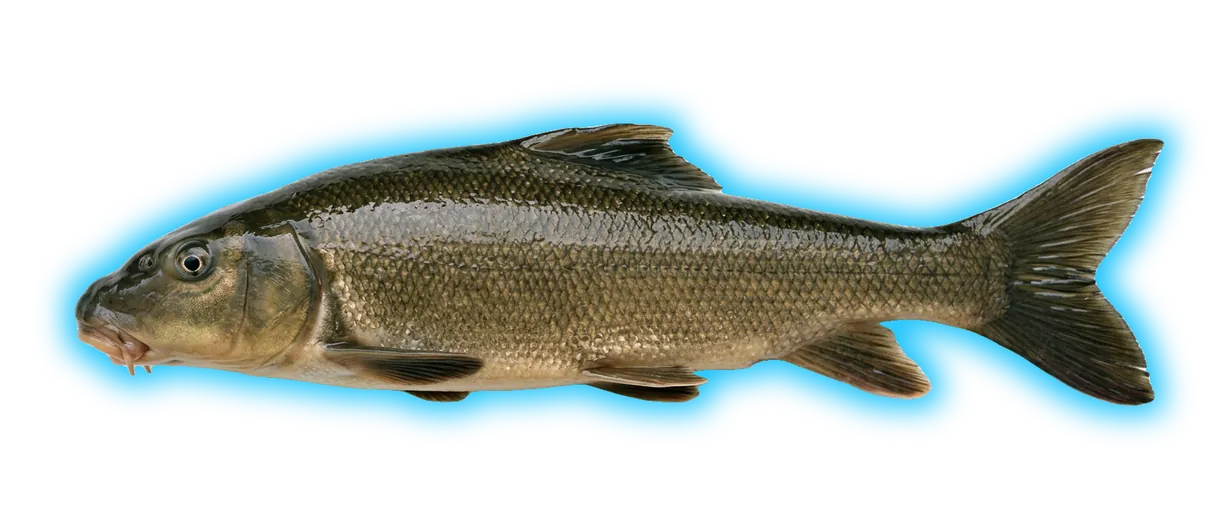
Razorback Sucker
Also known as
null
IUCN status
Critically EndangeredAbout the Razorback Sucker
The Razorback Sucker is a distinctive freshwater fish, easily identified by the prominent bony keel or "razorback" that runs along its back, rising sharply behind its head and tapering towards the dorsal fin. This unique adaptation gives the species its name and sets it apart from other suckerfish. Growing up to 91 cm (3 feet) in length, it possesses a large, downward-facing mouth typical of bottom feeders. Its overall coloration is usually olive to dark brown on the back, fading to a lighter, sometimes yellowish belly.
Source: FishBase & iNaturalist
Habitat
Historically, the Razorback Sucker thrived in the deep, slow-moving main channels of large rivers, as well as associated floodplains and backwaters, particularly in the Colorado River basin. It prefers areas with sandy or muddy bottoms where it can forage for food. While adaptable, its prime habitats have been significantly altered by damming and river regulation.
Distribution
This species is endemic to the southwestern United States, primarily within the Colorado River basin. Its historical range encompassed much of the lower and upper Colorado River system. Due to severe habitat degradation and other factors, its distribution is now highly restricted, mostly to managed populations and remaining suitable areas upstream of the Grand Canyon.
Behaviour
As a true bottom feeder, the Razorback Sucker typically forages along the riverbed, using its specialized mouth to suction up algae, detritus, and small invertebrates. They are generally slow-moving fish, often found in schools, especially during spawning migrations. Spawning typically occurs in spring, with adults migrating to shallow, gravelly areas to lay their eggs, often returning to deeper waters afterward.
Lure suggestion
Due to its critically endangered status and robust protection efforts, the Razorback Sucker is not a target species for anglers. If one is accidentally caught, it is imperative to handle the fish with extreme care and release it immediately and unharmed. Historically, or for other sucker species, bottom-fished baits like worms, corn, or small dough balls on a simple paternoster or ledger rig would be effective.
Razorback Sucker Regulations
Select a state to see size limits, bag limits, and seasons for Razorback Sucker.
Select a state
Always confirm with the official state agency before keeping a fish.
Biggest Razorback Sucker
No catches logged yet for Razorback Sucker.
Be the first, download CatchVault and log your catch!
Tips & Tactics
Summer Flounder from the New Jersey Surf: A Complete Guide
How to catch summer flounder (fluke) from the New Jersey beach — when and where to go, the best rigs, baits, and retrieves, and the gear that gets it done.
My Review of the Hobie Fleet: What's Best for Saltwater Kayak Fishing
A hands-on review of every Hobie MirageDrive fishing kayak and which model makes the most sense for inshore and open-water saltwater fishing.
How to Jig Giant Plastic Eels for 40"+ Striped Bass
The complete guide to fishing oversized soft plastic eels for trophy striped bass — gear, technique, locations, and timing.
Related Species
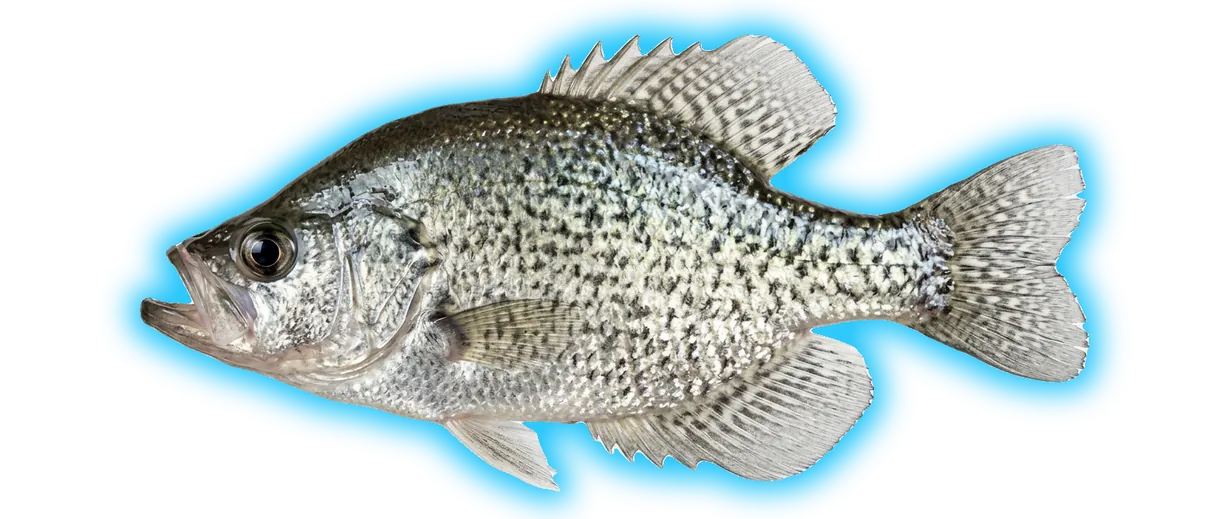
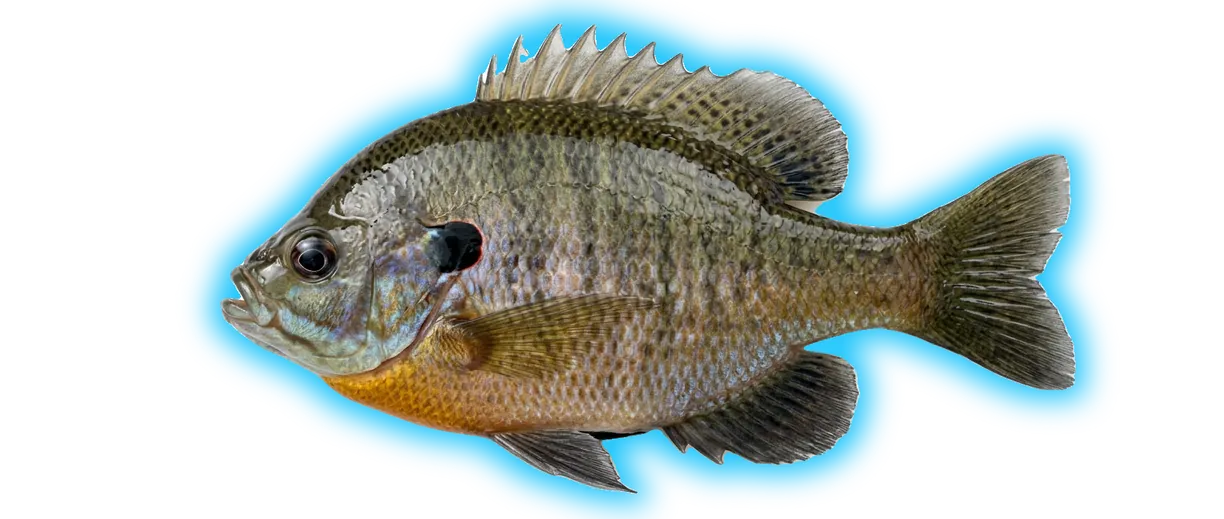
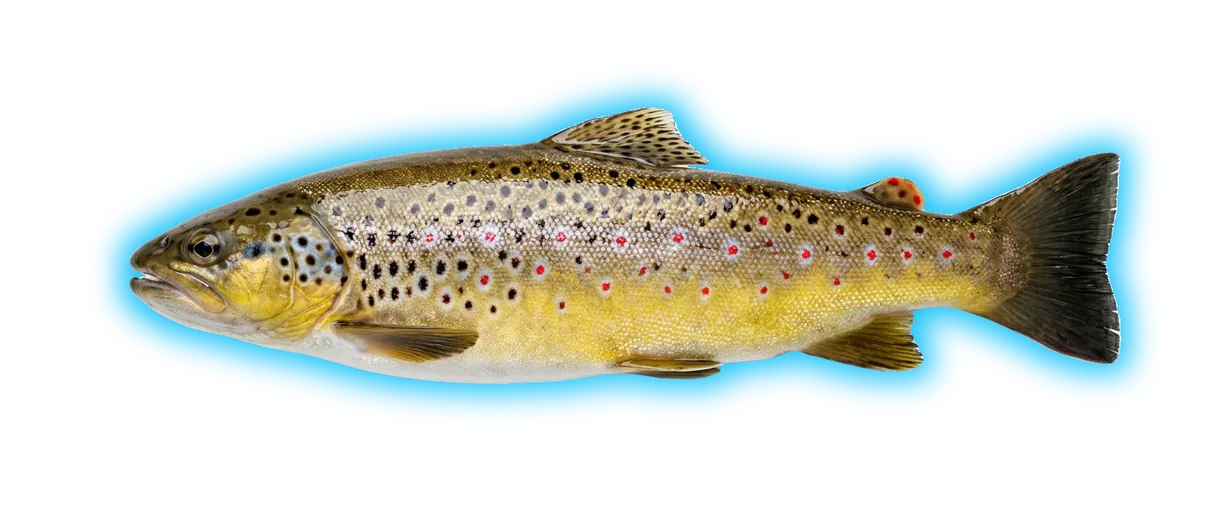
Where to Catch Razorback Sucker
States where Razorback Sucker is found, based on CatchVault's waterbody commonality data.
Think You Can Top the Leaderboard?
CatchVault is available on iOS. Download the app, log your Razorback Sucker catch, and see where you rank.