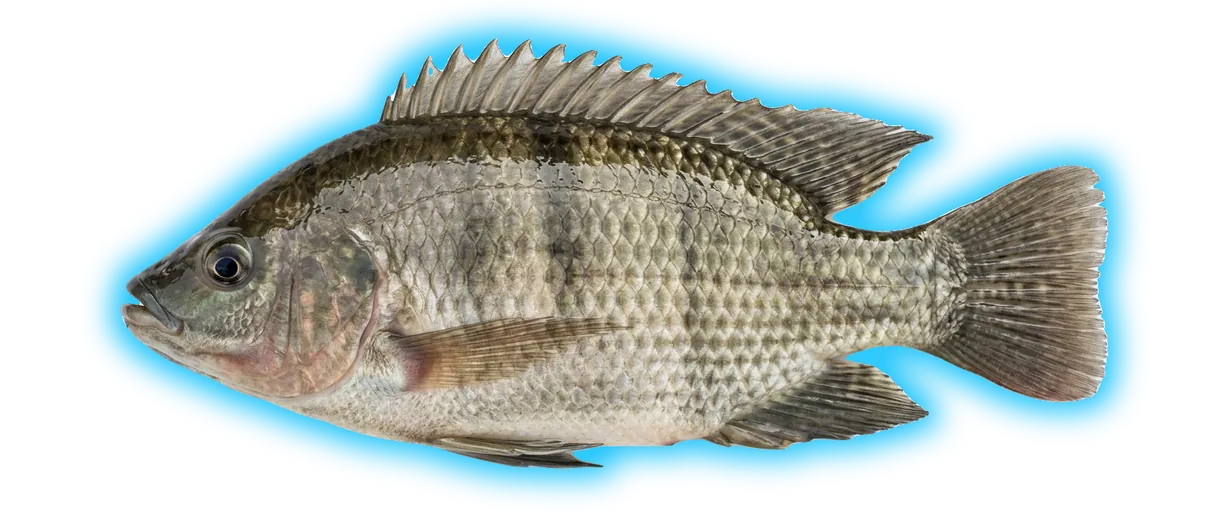
Tilapia
Size & bag limits by stateAlso known as
Nile Tilapia, Mozambique Tilapia, Blue Tilapia
About the Tilapia
Tilapia are deep-bodied, disc-shaped fish, typically compressed laterally. Their coloration varies widely by species and environment, often featuring shades of gray, olive, or silver, sometimes with vertical bars or spots. They possess a prominent dorsal fin, often with spiny rays in the front portion. Their overall appearance suggests a robust, adaptive fish.
Source: FishBase & iNaturalist
Tilapia Size & Bag Limits by State
Tilapia rules in 3 states.
| State | Size limit | Daily bag | Season |
|---|---|---|---|
| ArizonaYear-round | None | No limit | Year-round |
| CaliforniaYear-round | None | No limit | Year-round |
| UtahBlue Lake (Tooele Co.)Year-round | None | No limit | Year-round |
Statewide rules, or each area where a state sets limits by region. Many lakes and rivers have their own limits; pick a state or open its regulations page for water-specific rules. Always confirm with the state wildlife agency before keeping a fish.
Rules for a specific state
Pick a state to see its Tilapia rules, including lakes and rivers with their own limits.
Select a state
Always confirm with the official state agency before keeping a fish.
Best bait and lures for Tilapia
Anglers targeting Tilapia often find success using small baits presented on light tackle. Popular choices include pieces of corn, earthworms, bread, or small shrimp. A simple hook and bobber setup or a small jig are highly effective for these bottom-feeding and schooling fish.
Is Tilapia good to eat?
★★★★★
Known for their mild, white, flaky flesh, Tilapia are a popular food fish globally. They have a delicate flavor that lends itself well to baking, frying, or grilling.
Tilapia habitat
These adaptable fish thrive in warm freshwater environments like ponds, lakes, slow-moving rivers, and canals. They are often found congregating near aquatic vegetation, submerged structures, or muddy bottoms where food is abundant. Some species can also tolerate brackish water conditions.
Where Tilapia are found
While native to Africa and the Middle East, Tilapia are now globally widespread due to extensive aquaculture and accidental introductions. They are commonly found in tropical and subtropical regions across North America, Asia, and other continents.
Tilapia behavior
Tilapia are omnivorous foragers, primarily feeding on algae, aquatic plants, detritus, and small invertebrates. They can exhibit territorial behavior, especially during spawning, and are known for their rapid reproduction rates. They often move in schools, searching for food in shallow waters.
Biggest Tilapia
No catches logged yet for Tilapia.
Be the first, download CatchVault and log your catch!
Tips & Tactics
Steelhead vs Rainbow Trout: Same Fish, Different Legal Rules
Steelhead and rainbow trout are the same species. How state laws define steelhead by length and water, the adipose fin rule, and how to tell them apart.
Almaco Jack vs Amberjack: Greater, Lesser & Rudderfish ID
Almaco jack vs greater amberjack vs lesser amberjack vs banded rudderfish: eye stripe, fin lobes, spine counts, and why a wrong ID can break size limits.
Channel vs Blue vs White vs Flathead Catfish: ID Guide
Tell channel, blue, white and flathead catfish apart by anal fin, tail and jaw, plus hardhead vs gafftop. Why the ID matters for limits and invasives.
Think You Can Top the Leaderboard?
CatchVault is available on iPhone and Android. Download the app, log your Tilapia catch, and see where you rank.