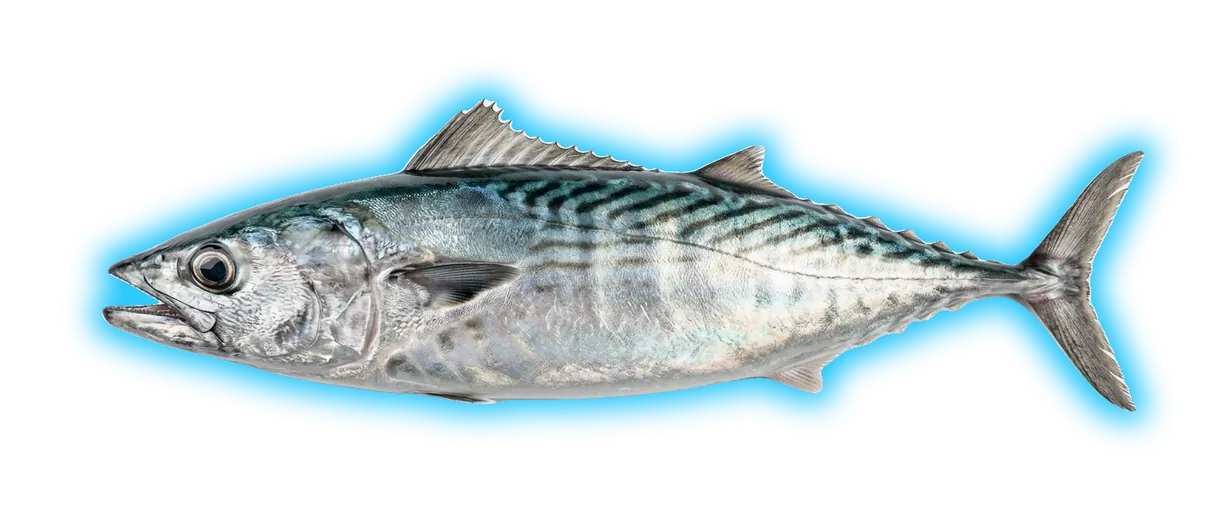
Atlantic Bonito
Sarda sarda
Also known as
Bonito, Common Bonito
IUCN status
Least ConcernAbout the Atlantic Bonito
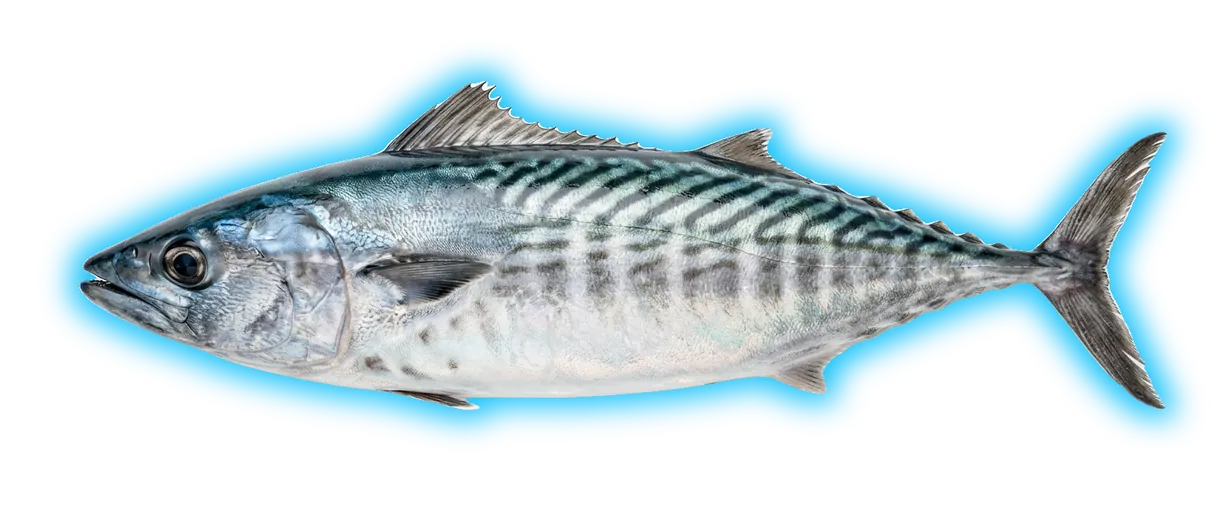
The Atlantic Bonito is a sleek, torpedo-shaped powerhouse, built for speed and aggressive strikes. Its dark blue-green back features distinctive, oblique dark stripes running forward from the caudal fin, contrasting sharply with its silvery belly. Anglers often confuse them with small tuna or False Albacore (Little Tunny), but the unique stripe pattern is the key identifier. They possess a pointed snout and two distinct dorsal fins, characteristic of fast-swimming pelagic predators. Their streamlined body allows for incredible bursts of speed when chasing prey.
Source: FishBase & iNaturalist
Habitat
These active pelagic fish school in temperate and tropical waters of the Atlantic Ocean, frequently encountered near coastal areas, reefs, and offshore structures. They prefer the upper water column, often chasing baitfish right to the surface. Look for them around tidal rips, humps, and color changes where bait concentrates.
Distribution
Atlantic Bonito are widely distributed throughout the Atlantic Ocean, ranging from the Gulf of Maine south to Brazil, and across to the Mediterranean Sea and along the African coast. They are also prevalent in the Black Sea, undertaking significant seasonal migrations.
Behaviour
Atlantic Bonito are voracious, opportunistic predators, primarily feeding on schools of small fish like anchovies, sardines, and mackerel, as well as squid. They are incredibly fast swimmers, frequently breaking the surface in a spectacular display of aggression while hunting bait. These highly migratory fish move seasonally along coastlines, following warmer waters and abundant food sources, often found in large, actively feeding schools.
Edibility
★★★★★
While not as highly prized as some tuna, Atlantic Bonito offer firm, dark, and distinctly flavored flesh that can be quite good when prepared fresh. Many anglers enjoy them grilled, baked, or smoked, and they are a popular ingredient for sashimi in some cultures. Their strong flavor means they stand up well to marinades and bold seasonings.
Lure suggestion
Atlantic Bonito are aggressive strikers, making them a blast on light tackle. Effective lures include small metal jigs (worked with a fast retrieve or cast into schools), fast-trolled feathers, small plugs, and spoons. When they're finicky, live bait such as pilchards, sardines, or anchovies, drifted or slow-trolled, can be irresistible. Always look for diving birds or surface commotion, as this indicates a feeding frenzy.
Atlantic Bonito Regulations
Select a state to see size limits, bag limits, and seasons for Atlantic Bonito.
Select a state
Always confirm with the official state agency before keeping a fish.
Biggest Atlantic Bonito
No catches logged yet for Atlantic Bonito.
Be the first, download CatchVault and log your catch!
Tips & Tactics
Summer Flounder from the New Jersey Surf: A Complete Guide
How to catch summer flounder (fluke) from the New Jersey beach — when and where to go, the best rigs, baits, and retrieves, and the gear that gets it done.
My Review of the Hobie Fleet: What's Best for Saltwater Kayak Fishing
A hands-on review of every Hobie MirageDrive fishing kayak and which model makes the most sense for inshore and open-water saltwater fishing.
How to Jig Giant Plastic Eels for 40"+ Striped Bass
The complete guide to fishing oversized soft plastic eels for trophy striped bass — gear, technique, locations, and timing.
Related Species
Where to Catch Atlantic Bonito
States where Atlantic Bonito is found, based on CatchVault's waterbody commonality data.
Think You Can Top the Leaderboard?
CatchVault is available on iOS. Download the app, log your Atlantic Bonito catch, and see where you rank.