Also known as
Boston mackerel, Norwegian mackerel, Scottish mackerel
About the Atlantic Mackerel
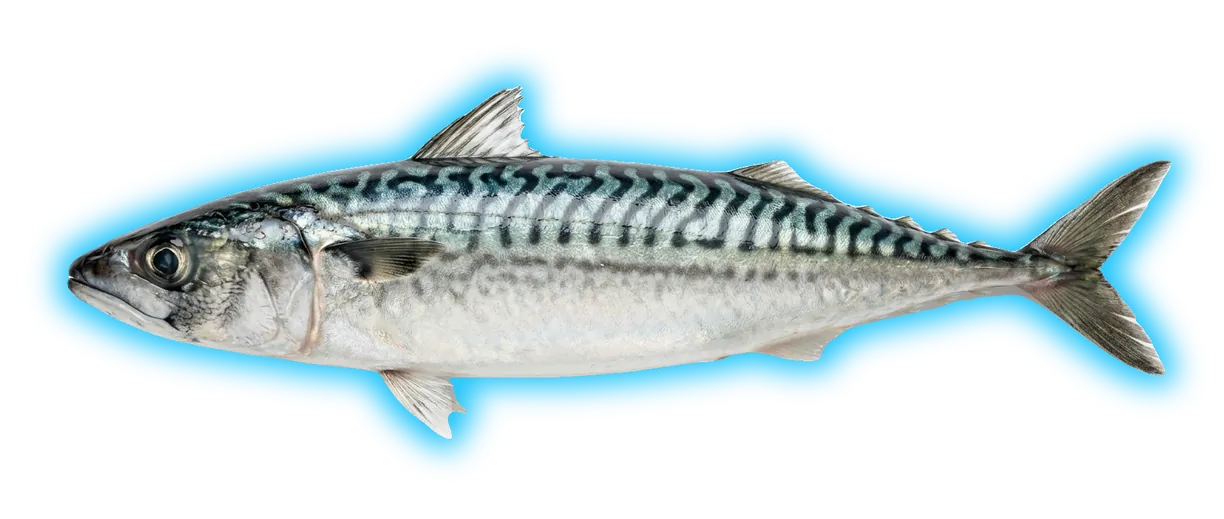
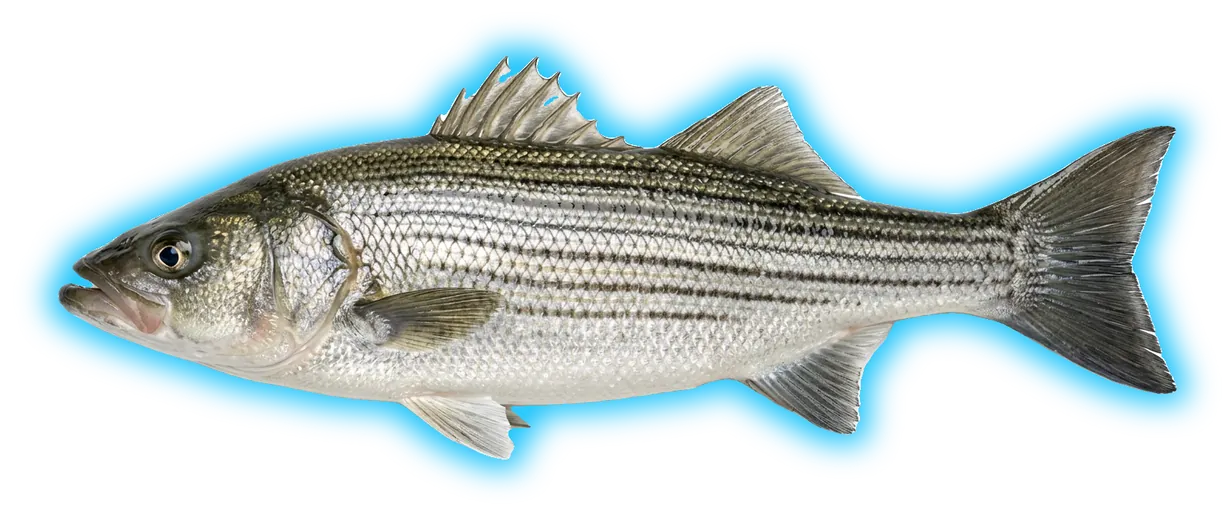
The Atlantic Mackerel is a streamlined, torpedo-shaped fish, perfectly built for speed. Its back is an iridescent blue-green, adorned with distinctive wavy, dark vertical lines that fade to a silvery white belly. This sleek coloration provides excellent camouflage in open water, allowing it to ambush prey. They are instantly recognizable by their pointed snout and small, widely separated dorsal fins.
Source: FishBase & iNaturalist
Atlantic Mackerel Size & Bag Limits by State
Atlantic Mackerel rules in 2 states.
| State | Size limit | Daily bag | Season |
|---|---|---|---|
| MaineStatewide saltwaterYear-round | None | 25 | Year-round |
| MassachusettsStatewide saltwaterYear-round | None | 25 | Year-round |
Statewide rules, or each area where a state sets limits by region. Many lakes and rivers have their own limits; pick a state or open its regulations page for water-specific rules. Always confirm with the state wildlife agency before keeping a fish.
Rules for a specific state
Pick a state to see its Atlantic Mackerel rules, including lakes and rivers with their own limits.
Select a state
Always confirm with the official state agency before keeping a fish.
Best bait and lures for Atlantic Mackerel
Anglers targeting Atlantic Mackerel should focus on fast-moving, flashy presentations. Small metal jigs, spoons, and Sabiki rigs are exceptionally effective when retrieved quickly through schools. They will also readily strike small plugs or flies, especially those mimicking baitfish. Look for diving birds or surface boils to pinpoint active schools.
Is Atlantic Mackerel good to eat?
★★★★★
Atlantic Mackerel is highly prized for its rich, oily flavor, which is best enjoyed fresh. Its firm, dark meat is excellent grilled, smoked, or pan-fried, offering a distinct taste. Due to its oil content, it doesn't freeze as well as some other fish, so consume soon after catching.
Atlantic Mackerel habitat
Atlantic Mackerel thrive in temperate waters across the northern Atlantic, Mediterranean, and Black Seas. They form immense shoals in the pelagic zone, ranging from the surface down to about 200 meters. During warmer months, these fast-moving fish migrate closer to shore and higher in the water column, making them accessible to coastal anglers.
Where Atlantic Mackerel are found
Their extensive geographic range covers the temperate regions of the northern Atlantic Ocean, including the North Sea, as well as the Mediterranean and Black Seas.
Atlantic Mackerel behavior
These highly migratory fish are voracious predators, actively hunting smaller baitfish, crustaceans, and squid in large, dense schools. They are incredibly fast swimmers, constantly on the move, and their seasonal migrations bring them close to shore during warmer months, often indicated by diving birds or surface disturbances. They feed aggressively, making them a thrilling target for anglers.
Biggest Atlantic Mackerel
No catches logged yet for Atlantic Mackerel.
Be the first, download CatchVault and log your catch!
Tips & Tactics
Steelhead vs Rainbow Trout: Same Fish, Different Legal Rules
Steelhead and rainbow trout are the same species. How state laws define steelhead by length and water, the adipose fin rule, and how to tell them apart.
Channel vs Blue vs White vs Flathead Catfish: ID Guide
Tell channel, blue, white and flathead catfish apart by anal fin, tail and jaw, plus hardhead vs gafftop. Why the ID matters for limits and invasives.
Alewife vs Blueback Herring: River Herring & Shad ID Guide
How to tell alewife from blueback herring, and both from American, hickory and gizzard shad, plus why river herring harvest is closed in many states.
Related Species
Where to Catch Atlantic Mackerel
States where Atlantic Mackerel is found, based on CatchVault's waterbody commonality data.
Think You Can Top the Leaderboard?
CatchVault is available on iPhone and Android. Download the app, log your Atlantic Mackerel catch, and see where you rank.