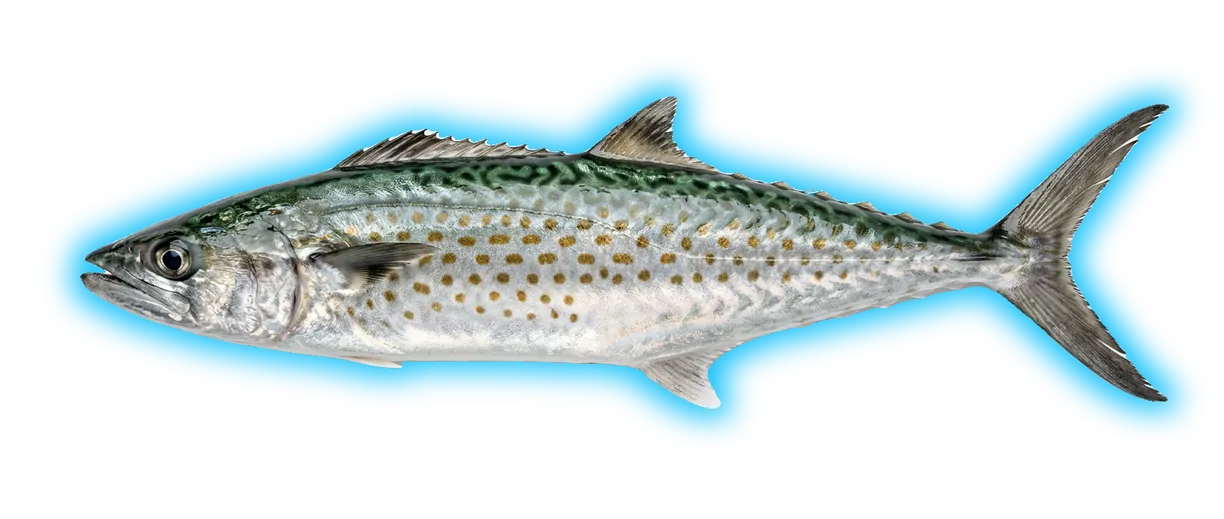
Spanish Mackerel
Scomberomorus maculatus
Water Type
Saltwater
Also known as
Spaniard, Atlantic Spanish Mackerel
IUCN status
Least ConcernAbout the Spanish Mackerel
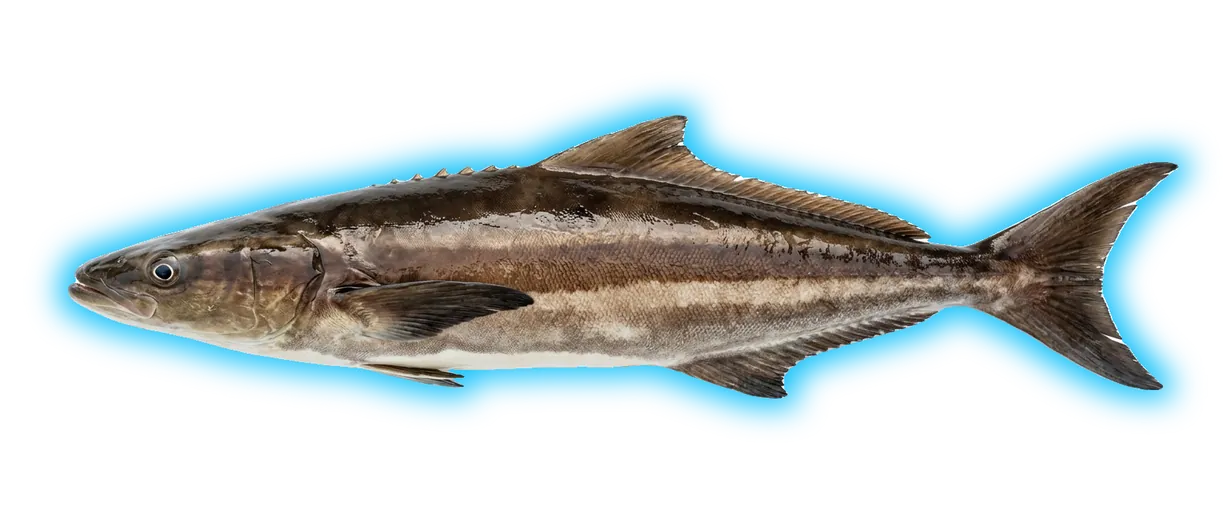
The Spanish Mackerel boasts a sleek, torpedo-shaped body designed for speed, featuring an iridescent blue-green back that fades to silver on its flanks. Its sides are adorned with distinctive golden-yellow spots, making it easily identifiable. This predatory fish has a prominent, pointed snout and sharp, conical teeth, indicative of its aggressive feeding habits. Anglers typically encounter them ranging from 1 to 5 pounds, though they can grow larger.
Source: FishBase & iNaturalist
Habitat
Spanish Mackerel prefer coastal waters, often found in estuaries, along beaches, around nearshore reefs, and over grass flats. They thrive in clear, warm waters and are frequently located near schools of baitfish. Their preferred depths range from very shallow to about 50 feet.
Distribution
This species is highly migratory, ranging along the Atlantic coast of North America from New England down through the Gulf of Mexico. They move into the Northern Gulf of Mexico in spring and migrate back to south Florida in the Eastern Gulf and to Mexico in the Western Gulf during the fall.
Behaviour
Known for their blistering speed and aggressive nature, Spanish Mackerel are voracious, schooling predators. They primarily feed on small schooling baitfish such as pilchards, sardines, anchovies, and menhaden, often attacking with rapid, slashing strikes. Their seasonal migrations are closely tied to water temperature and the abundance of their prey, moving to warmer waters as temperatures drop.
Edibility
★★★★★
Spanish Mackerel provide firm, flaky white meat with a distinct, rich flavor, especially when caught fresh. They are excellent when grilled, pan-fried, or baked, though many anglers recommend bleeding them immediately after capture to enhance their table quality.
Lure suggestion
Fast-moving lures are essential for tempting Spanish Mackerel. Small, shiny spoons like Clarkspoons, retrieved at high speeds or trolled, are incredibly effective. Jigs, diving plugs, and even topwater lures can also provoke aggressive strikes. Live bait, such as pilchards, glass minnows, or shrimp, fished under a popping cork or free-lined, is also a deadly offering.
Spanish Mackerel Regulations
Select a state to see size limits, bag limits, and seasons for Spanish Mackerel.
Select a state
Always confirm with the official state agency before keeping a fish.
Biggest Spanish Mackerel
No catches logged yet for Spanish Mackerel.
Be the first, download CatchVault and log your catch!
Tips & Tactics
Summer Flounder from the New Jersey Surf: A Complete Guide
How to catch summer flounder (fluke) from the New Jersey beach — when and where to go, the best rigs, baits, and retrieves, and the gear that gets it done.
My Review of the Hobie Fleet: What's Best for Saltwater Kayak Fishing
A hands-on review of every Hobie MirageDrive fishing kayak and which model makes the most sense for inshore and open-water saltwater fishing.
How to Jig Giant Plastic Eels for 40"+ Striped Bass
The complete guide to fishing oversized soft plastic eels for trophy striped bass — gear, technique, locations, and timing.
Related Species
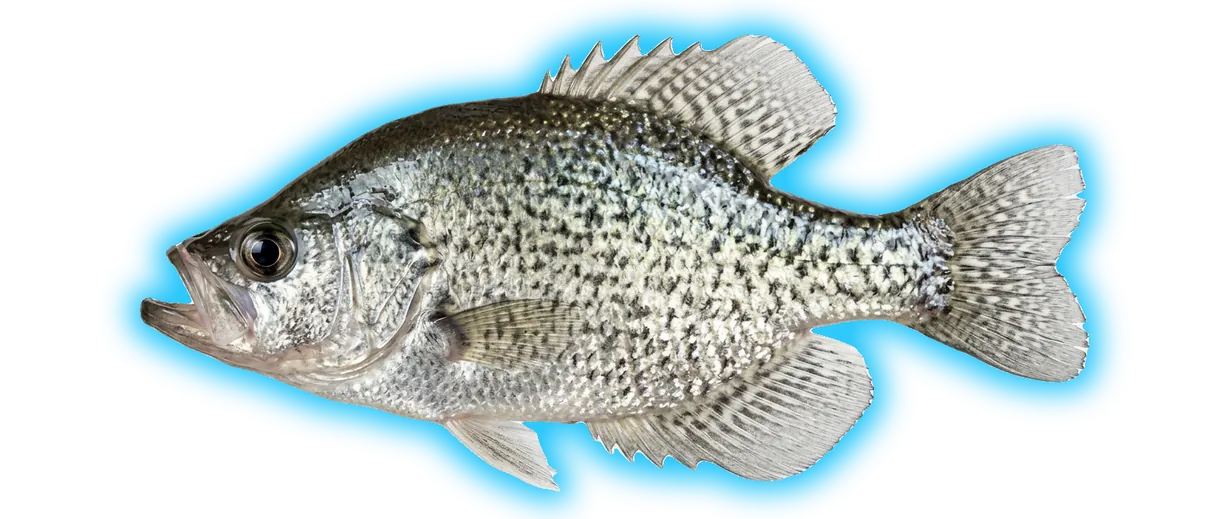
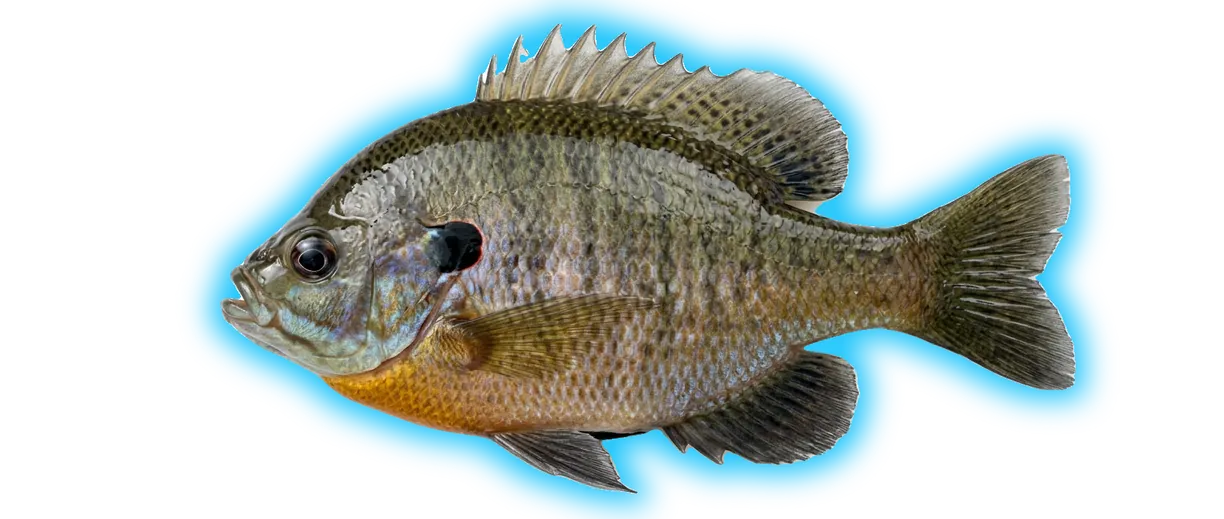
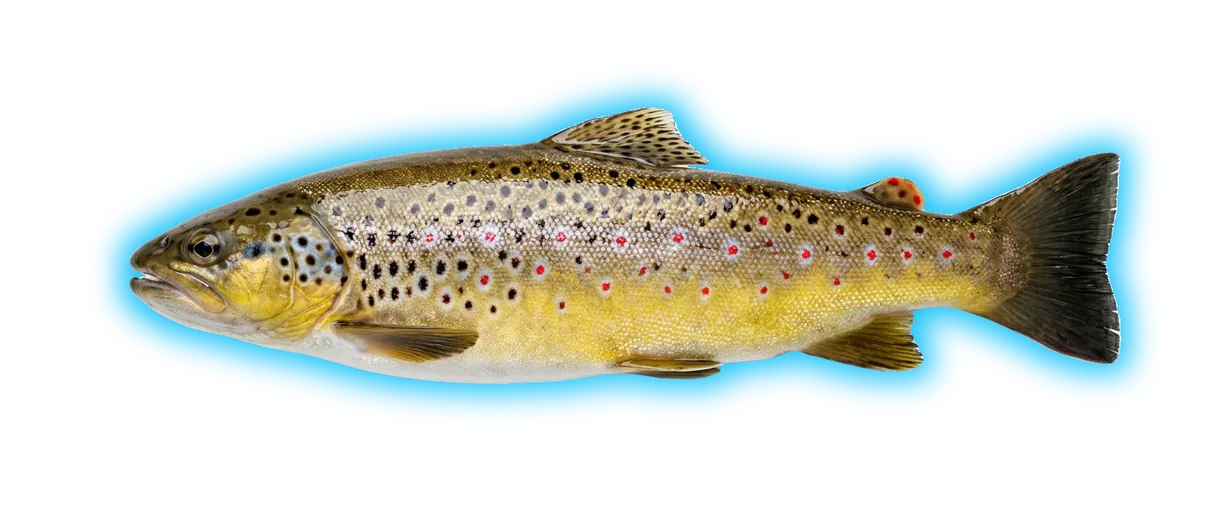
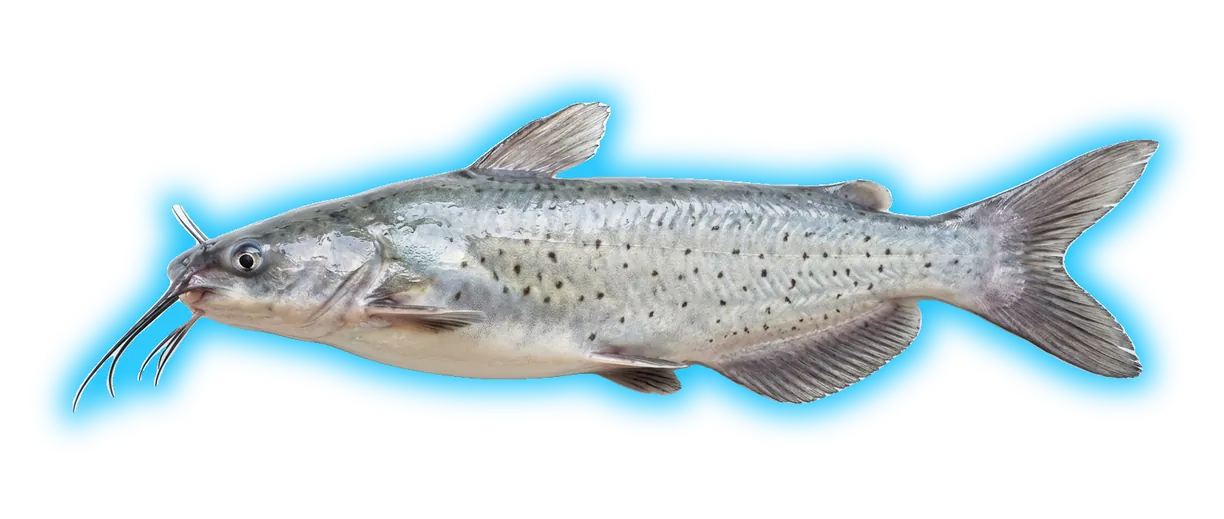
Where to Catch Spanish Mackerel
States where Spanish Mackerel is found, based on CatchVault's waterbody commonality data.
Think You Can Top the Leaderboard?
CatchVault is available on iOS. Download the app, log your Spanish Mackerel catch, and see where you rank.