Also known as
Northern bluefin tuna, Giant bluefin tuna, Tunny
IUCN status
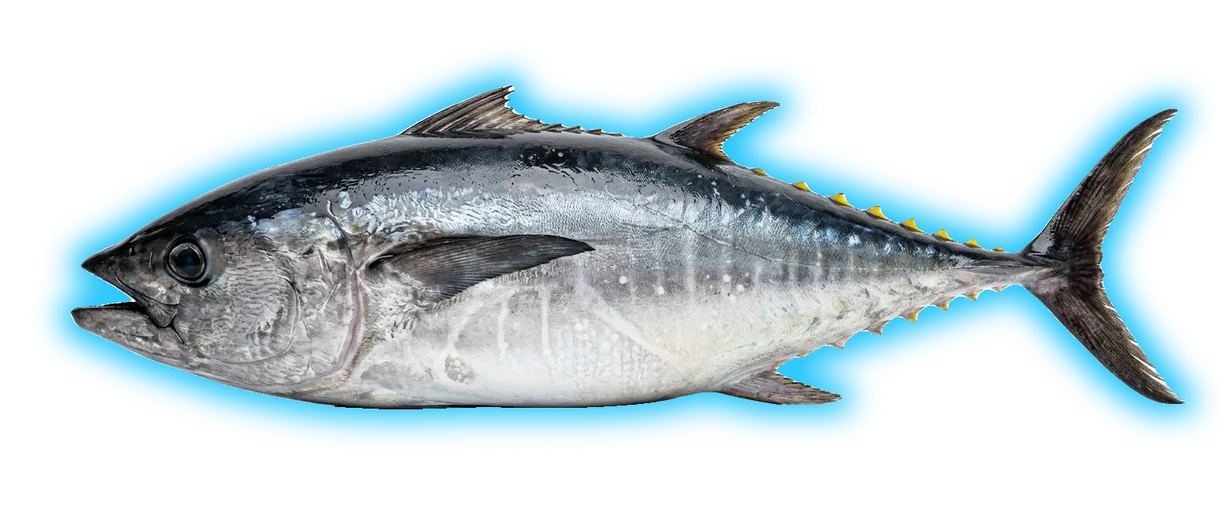
EndangeredAbout the Bluefin Tuna
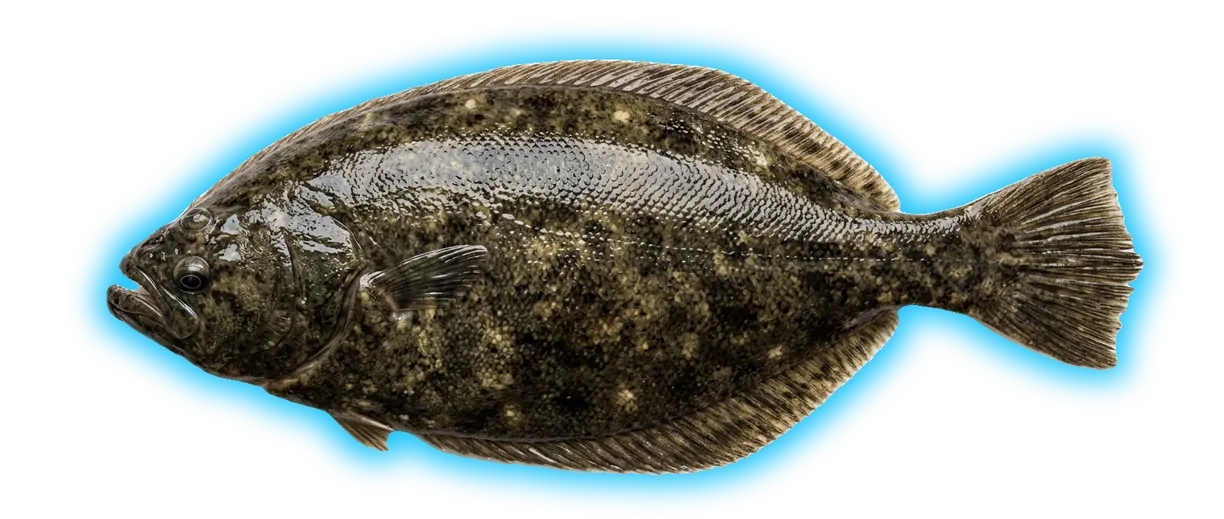
The Bluefin Tuna is a magnificent, torpedo-shaped powerhouse built for speed and endurance. Its body is a striking metallic dark blue on top, fading to a silvery-white on its belly, providing excellent camouflage in the open ocean. Anglers often identify them by their prominent second dorsal fin and large, powerful tail fin, indicative of their incredible swimming capabilities. These giants can easily exceed 150 kilograms (330 lbs), making them one of the most sought-after game fish.
Source: FishBase & iNaturalist
Bluefin Tuna Size & Bag Limits by State
Bluefin Tuna rules in 6 states.
| State | Size limit | Daily bag | Season |
|---|---|---|---|
| CaliforniaStatewide saltwaterYear-round | None | 2 | Year-round |
| LouisianaStatewide saltwaterYear-round | 73" min | 1 | Year-round |
| MaineStatewide saltwaterYear-round | None | — | Year-round |
| OregonStatewide saltwaterYear-round | None | 25 | Year-round |
| South CarolinaStatewide saltwaterYear-round | None | — | Year-round |
| WashingtonMarine Area 1 - IlwacoYear-round | None | 2 | Year-round |
| Marine Area 2 - Westport-Ocean ShoresYear-round | None | 2 | Year-round |
| Marine Area 2-1 - Willapa BayYear-round | None | 2 | Year-round |
| Marine Area 2-2 - Grays HarborYear-round | None | 2 | Year-round |
| Marine Area 3 - La PushYear-round | None | 2 | Year-round |
| Marine Area 4 - Neah BayYear-round | None | 2 | Year-round |
| Marine Area 5 - Sekiu and Pillar PointYear-round | None | 2 | Year-round |
— means the state sets no daily bag number for this species.
Statewide rules, or each area where a state sets limits by region. Many lakes and rivers have their own limits; pick a state or open its regulations page for water-specific rules. Always confirm with the state wildlife agency before keeping a fish.
Rules for a specific state
Pick a state to see its Bluefin Tuna rules, including lakes and rivers with their own limits.
Select a state
Always confirm with the official state agency before keeping a fish.
Best bait and lures for Bluefin Tuna
Successfully targeting Bluefin Tuna requires heavy-duty gear and precise tactics. Trolling large artificial lures such as skirted chuggers, diving plugs, or cedar plugs at speed is a popular method. Live bait, particularly mackerel, herring, or squid, drifted or slow-trolled, is exceptionally effective. Heavy metal jigs can also entice bites when tuna are holding deeper in the water column.
Is Bluefin Tuna good to eat?
★★★★★
Globally revered, Bluefin Tuna is considered a premium culinary delicacy, especially prized for sashimi and searing. Its rich, firm, red flesh, often marbled with fat, offers an exquisite taste and texture.
Bluefin Tuna habitat
As a highly pelagic species, Bluefin Tuna primarily inhabit the open ocean, preferring temperate and tropical waters across their vast range. They are often found in areas with strong currents, upwellings, and near continental shelves or offshore banks where baitfish congregate.
Where Bluefin Tuna are found
This species has a widespread distribution across the Atlantic Ocean, including the Mediterranean Sea, the Gulf of Mexico, and extending into the North Sea. They undertake extensive transoceanic migrations between spawning and feeding grounds.
Bluefin Tuna behavior
Bluefin Tuna are apex predators, often schooling to hunt smaller baitfish like mackerel, herring, and squid, along with crustaceans. They are renowned for their incredible bursts of speed, making them formidable fighters on a line. Their highly migratory nature means their presence in certain areas is seasonal, driven by water temperature and the availability of their prey.
Biggest Bluefin Tuna
No catches logged yet for Bluefin Tuna.
Be the first, download CatchVault and log your catch!
Tips & Tactics
Steelhead vs Rainbow Trout: Same Fish, Different Legal Rules
Steelhead and rainbow trout are the same species. How state laws define steelhead by length and water, the adipose fin rule, and how to tell them apart.
Channel vs Blue vs White vs Flathead Catfish: ID Guide
Tell channel, blue, white and flathead catfish apart by anal fin, tail and jaw, plus hardhead vs gafftop. Why the ID matters for limits and invasives.
Alewife vs Blueback Herring: River Herring & Shad ID Guide
How to tell alewife from blueback herring, and both from American, hickory and gizzard shad, plus why river herring harvest is closed in many states.
Related Species
Where to Catch Bluefin Tuna
States where Bluefin Tuna is found, based on CatchVault's waterbody commonality data.
Think You Can Top the Leaderboard?
CatchVault is available on iPhone and Android. Download the app, log your Bluefin Tuna catch, and see where you rank.