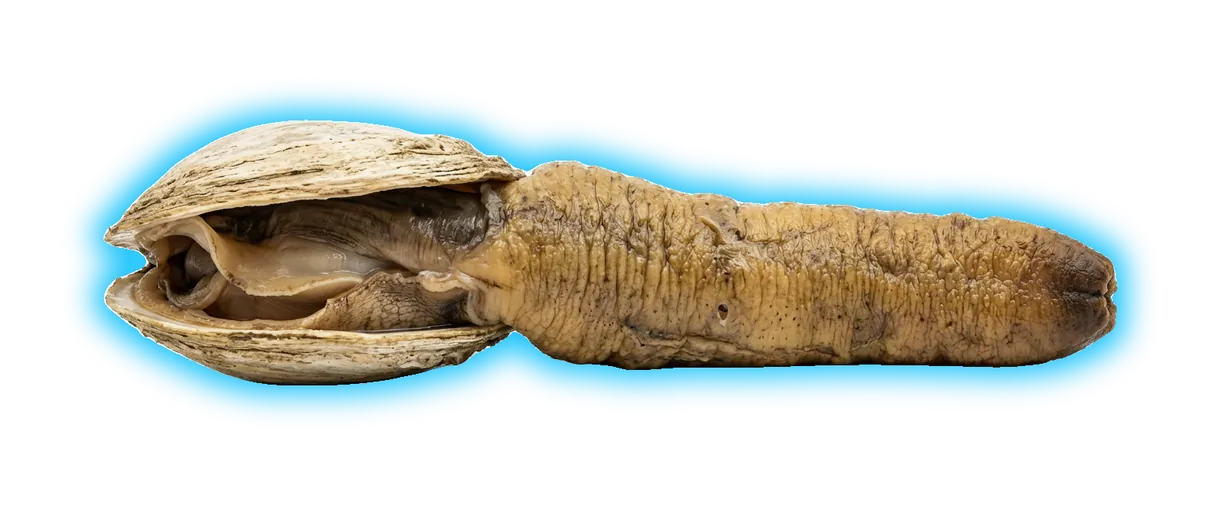
Geoduck Clam
Size & bag limits by stateAlso known as
King Clam, Elephant Trunk Clam
About the Geoduck Clam
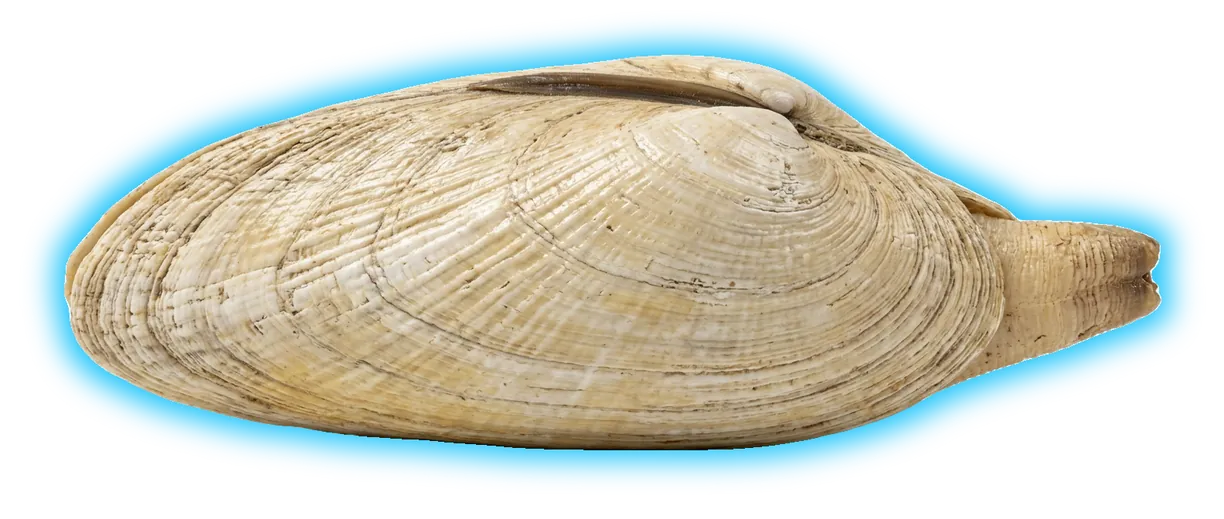
The Geoduck Clam is unmistakable, not for its shell, which is relatively small for its overall size, but for its enormous, muscular siphon. This 'neck' can extend over three feet long, giving the clam a unique, somewhat prehistoric appearance as it pokes out of the seabed. Its large, oblong shell, typically 6-8 inches, encases a relatively small body compared to the massive siphon, which it cannot fully retract.
Source: FishBase & iNaturalist
Geoduck Clam Size & Bag Limits by State
Geoduck Clam rules in 2 states.
| State | Size limit | Daily bag | Season |
|---|---|---|---|
| CaliforniaStatewide saltwaterYear-round | None | 3 | Year-round |
| WashingtonStatewide saltwaterYear-round | None | 1 | Year-round |
Statewide rules, or each area where a state sets limits by region. Many lakes and rivers have their own limits; pick a state or open its regulations page for water-specific rules. Always confirm with the state wildlife agency before keeping a fish.
Rules for a specific state
Pick a state to see its Geoduck Clam rules, including lakes and rivers with their own limits.
Select a state
Always confirm with the official state agency before keeping a fish.
Best bait and lures for Geoduck Clam
Angling for geoducks is not a traditional practice as they are sessile and deeply buried. Recreational harvesting typically involves digging during extreme low tides, often requiring a shovel, clam gun, or a PVC pipe (a 'clam pot') to stabilize the hole and prevent collapse while digging down to their significant depth. Look for characteristic 'show' – a small dimple or a brief squirt of water as they retract their siphon tip.
Is Geoduck Clam good to eat?
★★★★★
Considered a highly prized delicacy, especially in East Asian cuisine. The meat is renowned for its sweet flavor, firm yet crunchy texture, often enjoyed raw as sashimi, stir-fried, or in various soups and dishes.
Geoduck Clam habitat
These unique bivalves burrow deep into soft sediments, such as sand or mud, in the subtidal zone. They can be found from shallow intertidal depths down to over 300 feet, often buried vertically with only the tip of their siphon exposed to the water column.
Where Geoduck Clam are found
Primarily found along the Pacific coast of North America, from Alaska down to Baja California, Mexico. Commercial and recreational harvesting is most active in the waters of British Columbia and Washington State.
Geoduck Clam behavior
Geoducks are sedentary filter feeders, using their long siphons to draw in plankton and detritus from the water. Once settled, they remain largely stationary for their entire lives, which can exceed 160 years. They are known for their incredibly deep burrows, making them challenging to harvest.
Biggest Geoduck Clam
No catches logged yet for Geoduck Clam.
Be the first, download CatchVault and log your catch!
Tips & Tactics
Steelhead vs Rainbow Trout: Same Fish, Different Legal Rules
Steelhead and rainbow trout are the same species. How state laws define steelhead by length and water, the adipose fin rule, and how to tell them apart.
Channel vs Blue vs White vs Flathead Catfish: ID Guide
Tell channel, blue, white and flathead catfish apart by anal fin, tail and jaw, plus hardhead vs gafftop. Why the ID matters for limits and invasives.
Alewife vs Blueback Herring: River Herring & Shad ID Guide
How to tell alewife from blueback herring, and both from American, hickory and gizzard shad, plus why river herring harvest is closed in many states.
Related Species
Think You Can Top the Leaderboard?
CatchVault is available on iPhone and Android. Download the app, log your Geoduck Clam catch, and see where you rank.