Also known as
Razor Clam, Surf Clam, Pacific Razor
About the Pacific Razor Clam
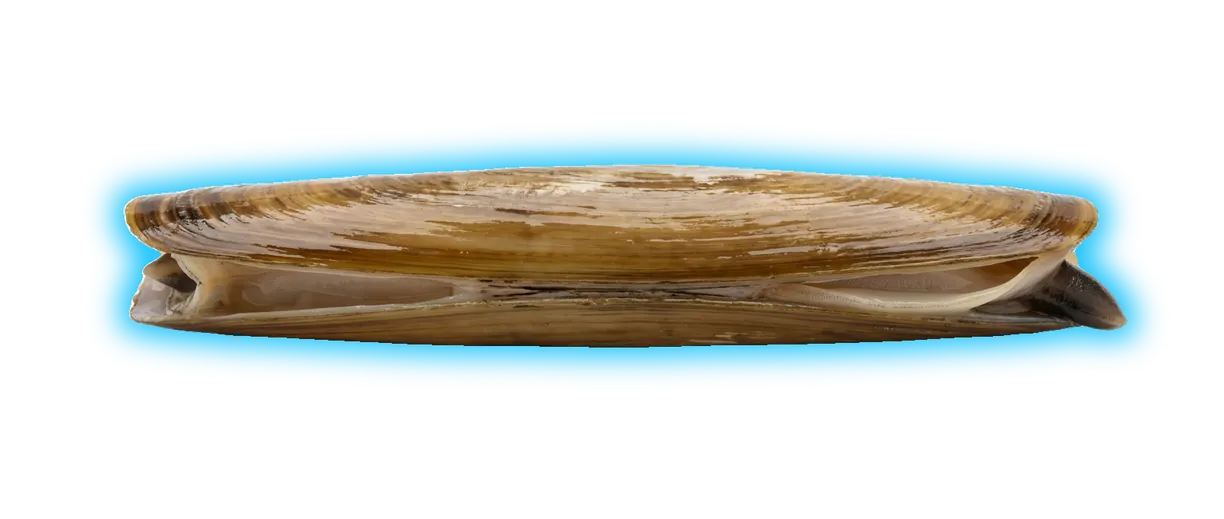
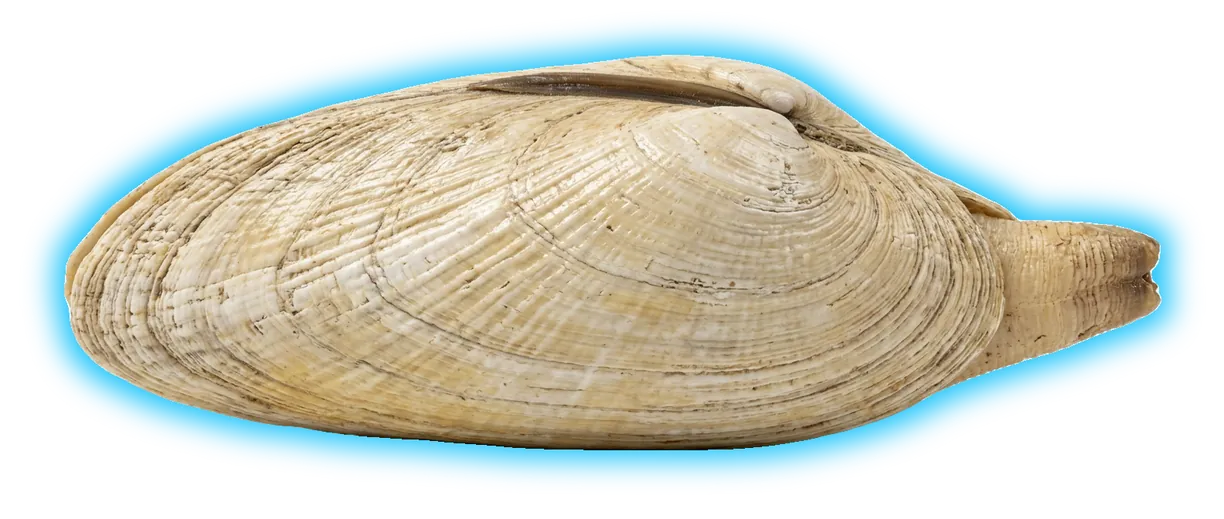
The Pacific Razor Clam is a sleek, elongated bivalve distinguished by its razor-sharp, thin, and brittle shell. Growing up to 11 inches long, its shell is typically olive-green to yellowish-brown with a shiny outer layer. A prominent, muscular foot allows for incredibly rapid burrowing, a key identifier when hunting these prized mollusks on sandy beaches. Look for their distinct 'show' – a dimple or keyhole-shaped hole – on the surface of the sand.
Source: FishBase & iNaturalist
Pacific Razor Clam Size & Bag Limits by State
Pacific Razor Clam rules in 2 states.
| State | Size limit | Daily bag | Season |
|---|---|---|---|
| CaliforniaStatewide saltwaterYear-round | None | 20 | Year-round |
| OregonStatewide saltwaterYear-round | None | 15 | Year-round |
Statewide rules, or each area where a state sets limits by region. Many lakes and rivers have their own limits; pick a state or open its regulations page for water-specific rules. Always confirm with the state wildlife agency before keeping a fish.
Rules for a specific state
Pick a state to see its Pacific Razor Clam rules, including lakes and rivers with their own limits.
Select a state
Always confirm with the official state agency before keeping a fish.
Best bait and lures for Pacific Razor Clam
Targeting Pacific Razor Clams is less about lures and more about technique and timing. Anglers (diggers) typically use specialized clam guns or shovels. The key is to locate their 'show' – a small depression or dimple in the sand – then quickly dig or plunge your clam gun down directly over it to intercept the clam before it burrows too deep. Digging must be fast and precise.
Is Pacific Razor Clam good to eat?
★★★★★
Highly regarded by seafood enthusiasts, the Pacific Razor Clam offers exceptionally sweet, tender, and succulent meat. Its distinctive flavor makes it a prime ingredient for frying, steaming, chowders, or even sashimi-style preparations.
Pacific Razor Clam habitat
These impressive clams thrive in the turbulent, sandy intertidal and subtidal zones of exposed coastlines. They prefer clean, well-aerated sand, often found in areas directly impacted by wave action. They burrow rapidly and deeply, making them a challenge to extract.
Where Pacific Razor Clam are found
Primarily found along the Pacific coast of North America, their range extends from the Aleutian Islands of Alaska southwards to Pismo Beach in Central California.
Pacific Razor Clam behavior
Pacific Razor Clams are filter feeders, extending their siphons to draw in nutrient-rich seawater, filtering out plankton and organic detritus. When disturbed or exposed by receding tides, they exhibit remarkable speed, using their powerful foot to burrow vertically downwards into the sand in a matter of seconds, often disappearing beyond the reach of a casual digger.
Biggest Pacific Razor Clam
No catches logged yet for Pacific Razor Clam.
Be the first, download CatchVault and log your catch!
Tips & Tactics
Almaco Jack vs Amberjack: Greater, Lesser & Rudderfish ID
Almaco jack vs greater amberjack vs lesser amberjack vs banded rudderfish: eye stripe, fin lobes, spine counts, and why a wrong ID can break size limits.
Steelhead vs Rainbow Trout: Same Fish, Different Legal Rules
Steelhead and rainbow trout are the same species. How state laws define steelhead by length and water, the adipose fin rule, and how to tell them apart.
Channel vs Blue vs White vs Flathead Catfish: ID Guide
Tell channel, blue, white and flathead catfish apart by anal fin, tail and jaw, plus hardhead vs gafftop. Why the ID matters for limits and invasives.
Related Species
Think You Can Top the Leaderboard?
CatchVault is available on iPhone and Android. Download the app, log your Pacific Razor Clam catch, and see where you rank.