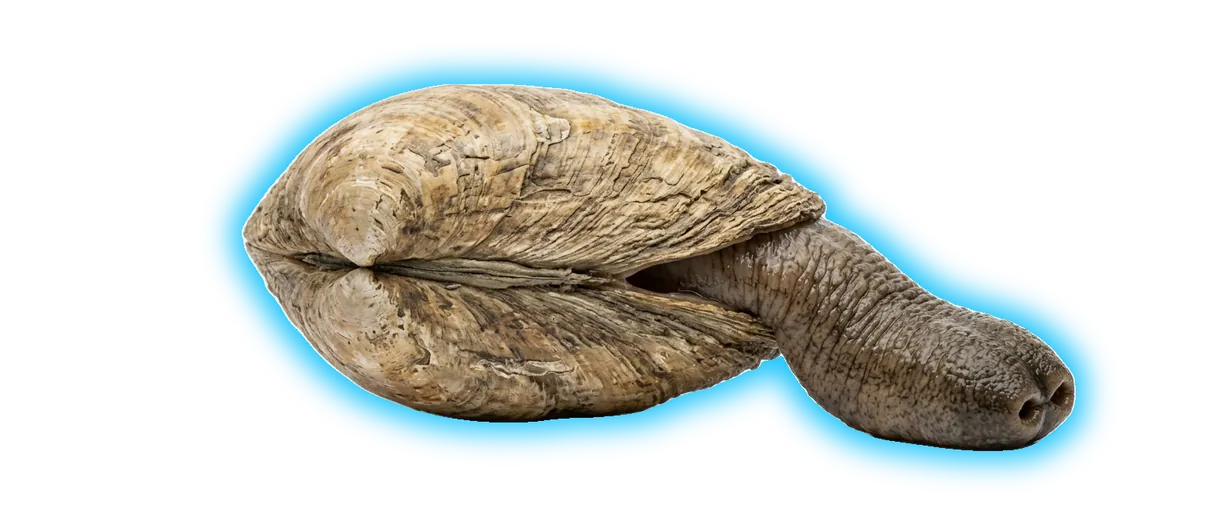
Gaper Clam
Size & bag limits by stateAlso known as
Horse Clam, Giant Gaper, Empire Clam
About the Gaper Clam
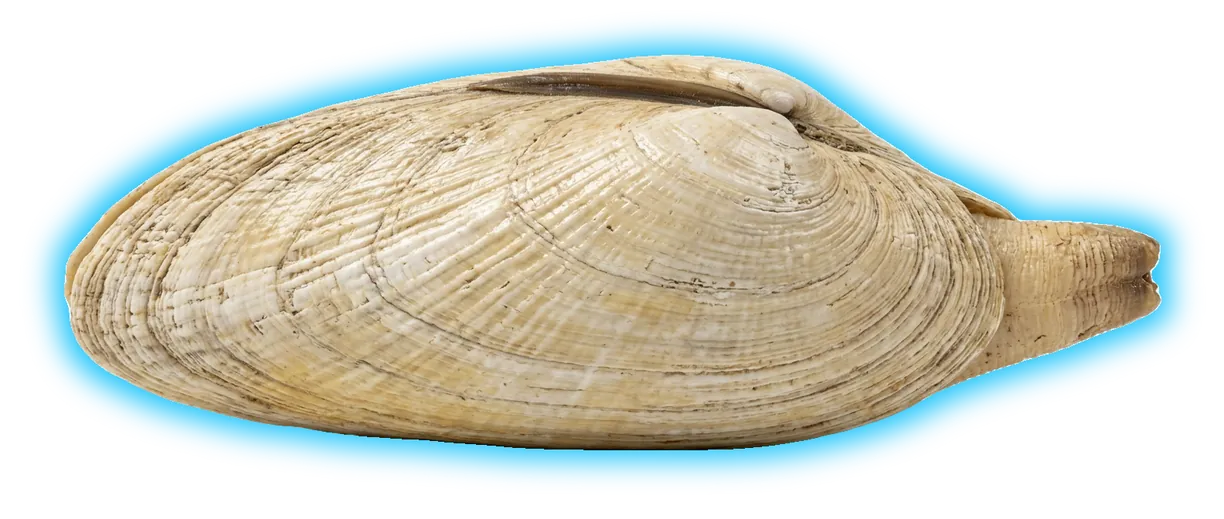
These impressive marine bivalves are easily identified by their large, oval shells that often appear rough or chalky. Their most striking feature is the prominent, often leathery siphon, which can extend significantly from the shell, giving them their 'gaping' appearance. They are typically found buried deep within sandy or muddy substrates.
Source: FishBase & iNaturalist
Gaper Clam Size & Bag Limits by State
Gaper Clam rules in 2 states.
| State | Size limit | Daily bag | Season |
|---|---|---|---|
| CaliforniaStatewide saltwaterYear-round | None | 10 | Year-round |
| OregonStatewide saltwaterYear-round | None | 20 | Year-round |
Statewide rules, or each area where a state sets limits by region. Many lakes and rivers have their own limits; pick a state or open its regulations page for water-specific rules. Always confirm with the state wildlife agency before keeping a fish.
Rules for a specific state
Pick a state to see its Gaper Clam rules, including lakes and rivers with their own limits.
Select a state
Always confirm with the official state agency before keeping a fish.
Best bait and lures for Gaper Clam
Harvesting Gaper Clams requires significant effort due to their deep burrowing habits. Anglers typically use specialized clam shovels or tubes to dig large holes or extract them from the sand. Look for characteristic 'show' – two small holes in the sand indicating the buried siphon.
Is Gaper Clam good to eat?
★★★★★
The large siphon is highly prized by many for its unique texture and mild, sweet flavor, often prepared fried or in chowders. The body meat, while edible, can be tougher and benefits from tenderizing or slow cooking.
Gaper Clam habitat
Found primarily in marine environments, these clams burrow deeply into sandy or muddy substrates. They prefer sheltered bays and estuaries, often inhabiting the lower intertidal zone down to shallow subtidal depths.
Where Gaper Clam are found
Their distribution is widespread along various coastlines, typically found in temperate marine waters where suitable sandy or muddy habitats exist.
Gaper Clam behavior
Gaper Clams are sedentary filter feeders, using their long siphons to draw in water and extract microscopic food particles and plankton. They remain buried deep within the sediment, relying on their siphons to reach the surface for respiration and feeding. When disturbed, they can quickly retract their siphon for protection, though their deep burrowing nature offers significant defense.
Biggest Gaper Clam
No catches logged yet for Gaper Clam.
Be the first, download CatchVault and log your catch!
Tips & Tactics
Steelhead vs Rainbow Trout: Same Fish, Different Legal Rules
Steelhead and rainbow trout are the same species. How state laws define steelhead by length and water, the adipose fin rule, and how to tell them apart.
Channel vs Blue vs White vs Flathead Catfish: ID Guide
Tell channel, blue, white and flathead catfish apart by anal fin, tail and jaw, plus hardhead vs gafftop. Why the ID matters for limits and invasives.
Alewife vs Blueback Herring: River Herring & Shad ID Guide
How to tell alewife from blueback herring, and both from American, hickory and gizzard shad, plus why river herring harvest is closed in many states.
Related Species
Think You Can Top the Leaderboard?
CatchVault is available on iPhone and Android. Download the app, log your Gaper Clam catch, and see where you rank.