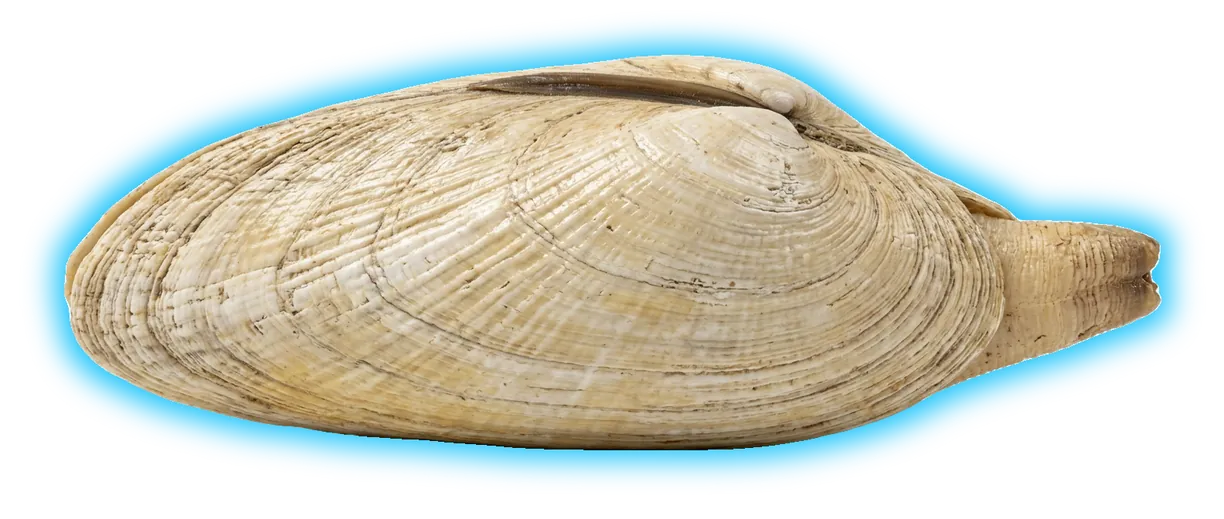
Pismo Clam
Tivela stultorum
Also known as
null
About the Pismo Clam
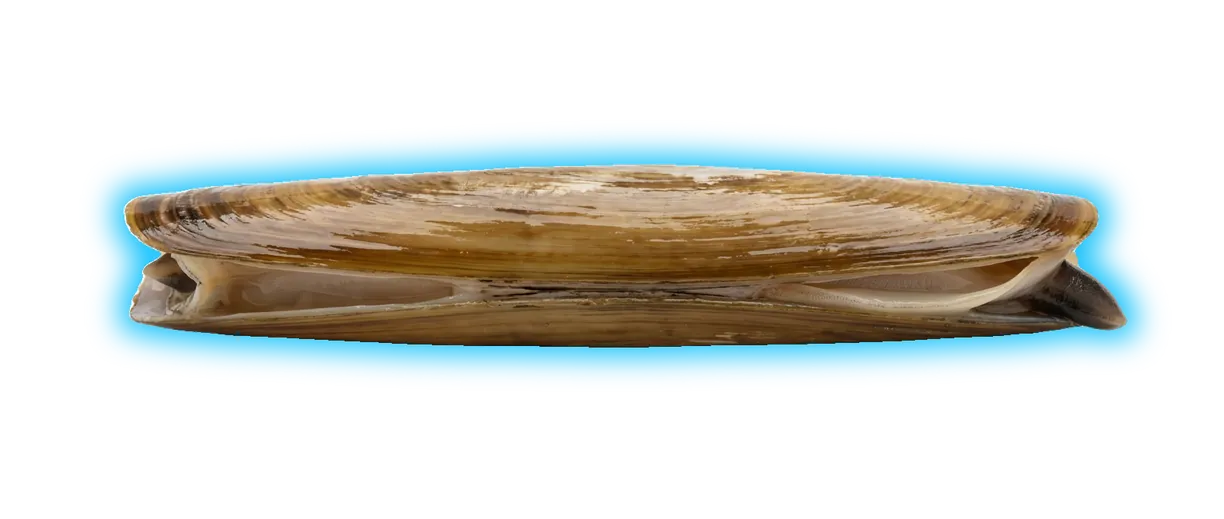
The Pismo Clam (Tivela stultorum) is a large, sturdy marine bivalve, easily recognized by its thick, triangular to oval-shaped shell. The shell is typically smooth, often ivory to tan in color, sometimes displaying concentric growth rings and faint purplish-brown rays radiating from the umbo. Its robust form allows it to withstand the strong surf conditions of its sandy habitat, reaching impressive sizes that make it a prized target for clam diggers.
Source: FishBase & iNaturalist
Habitat
These clams are burrowing inhabitants of sandy beaches, favoring areas exposed to moderate to strong surf. They are typically found in the intertidal and shallow subtidal zones, often burying themselves several inches to over a foot deep in the sand. Their presence is often indicated by siphon holes visible on the wet sand at low tide.
Distribution
Native to the eastern Pacific Ocean, the Pismo Clam's primary range extends from central California, notably Pismo Beach, south along the coast of Baja California, Mexico. They can be found as far south as 300 miles below the US-Mexico border, thriving in areas with consistent wave action.
Behaviour
Pismo Clams are filter feeders, extending their siphons to draw in seawater and extract plankton and organic particles. They are sessile for much of their adult lives, using a strong muscular foot to burrow into the sand for protection, quickly retreating if disturbed. While they don't migrate, their depth in the sand can vary with tide cycles and seasonal sand movements, requiring diggers to adapt their search strategies.
Edibility
★★★★★
Renowned for its sweet, firm, and rich flavor, the Pismo Clam is considered excellent table fare. It's versatile in the kitchen, often enjoyed steamed, fried, in chowders, or grilled, making it a culinary highlight for coastal enthusiasts.
Lure suggestion
Anglers targeting Pismo Clams don't use traditional lures or baits; instead, specialized tools are essential. A sturdy clam fork, shovel, or a dedicated clam gun is required to dig for these burrowing bivalves, especially during low tides. Look for small indentations or 'shows' on the wet sand, indicating the clam's siphon, and dig quickly but carefully to avoid damaging the shell.
Pismo Clam Regulations
Select a state to see size limits, bag limits, and seasons for Pismo Clam.
Select a state
Always confirm with the official state agency before keeping a fish.
Biggest Pismo Clam
No catches logged yet for Pismo Clam.
Be the first, download CatchVault and log your catch!
Tips & Tactics
Summer Flounder from the New Jersey Surf: A Complete Guide
How to catch summer flounder (fluke) from the New Jersey beach — when and where to go, the best rigs, baits, and retrieves, and the gear that gets it done.
My Review of the Hobie Fleet: What's Best for Saltwater Kayak Fishing
A hands-on review of every Hobie MirageDrive fishing kayak and which model makes the most sense for inshore and open-water saltwater fishing.
How to Jig Giant Plastic Eels for 40"+ Striped Bass
The complete guide to fishing oversized soft plastic eels for trophy striped bass — gear, technique, locations, and timing.
Related Species
Think You Can Top the Leaderboard?
CatchVault is available on iOS. Download the app, log your Pismo Clam catch, and see where you rank.