Also known as
blackfish, tog
About the Tautog
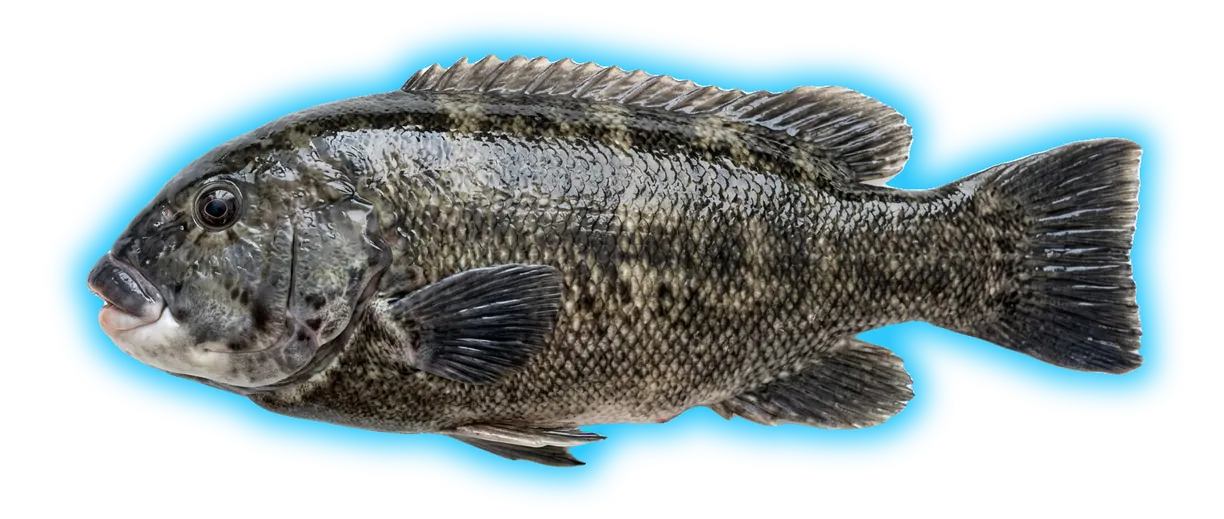
The Tautog is a robust, bottom-dwelling fish easily identified by its thick, rubbery lips and prominent canine-like teeth adapted for crushing shellfish. Its coloration typically ranges from mottled dark green, brown, or black, allowing it to blend seamlessly with rocky surroundings. They have a deep body and a continuous dorsal fin. Juveniles often display lighter blotches or bands.
Source: FishBase & iNaturalist
Tautog Size & Bag Limits by State
Tautog rules in 8 states.
| State | Size limit | Daily bag | Season |
|---|---|---|---|
| ConnecticutLong Island Sound and Tidal Waters (CT)Apr 1 – Apr 30, Jul 1 – Jul 31 | 16" min | 2 | Apr 1 – Apr 30, Jul 1 – Jul 31 |
| Oct 10 – Nov 28 | 16" min | 3 | Oct 10 – Nov 28 |
| DelawareAtlantic Ocean and Coastal BaysJan 1 – May 15, Jul 1 – Dec 31 | 16" min | 4 | Jan 1 – May 15, Jul 1 – Dec 31 |
| Delaware Bay, River and Tidal TributariesJan 1 – May 15, Jul 1 – Dec 31 | 16" min | 4 | Jan 1 – May 15, Jul 1 – Dec 31 |
| MarylandChesapeake Bay and Tidal TributariesJan 1 – May 15, Nov 1 – Dec 31 | 16" min | 4 | Jan 1 – May 15, Nov 1 – Dec 31 |
| Jul 1 – Oct 31 | 16" min | 2 | Jul 1 – Oct 31 |
| MassachusettsMarine WatersApr 1 – May 31, Aug 1 – Oct 14 · Apr 1 – May 31 | 16" min | 3 | Apr 1 – May 31, Aug 1 – Oct 14 · Apr 1 – May 31 |
| Jun 1 – Jul 31 | 16" min | 1 | Jun 1 – Jul 31 |
| Oct 15 – Dec 31 | 16" min | 5 | Oct 15 – Dec 31 |
| New JerseyMarine WatersJan 1 – Feb 28, Apr 1 – Apr 30, Aug 1 – Nov 15, Nov 16 – Dec 31 | 15" min | 4 | Jan 1 – Feb 28, Apr 1 – Apr 30, Aug 1 – Nov 15, Nov 16 – Dec 31 |
| New YorkLong Island Sound RegionApr 1 – Apr 30 | 16" min | 2 | Apr 1 – Apr 30 |
| Oct 11 – Dec 9 | 16" min | 3 | Oct 11 – Dec 9 |
| Bight RegionApr 1 – Apr 30 | 16" min | 2 | Apr 1 – Apr 30 |
| Oct 15 – Dec 22 | 16" min | 4 | Oct 15 – Dec 22 |
| Rhode IslandMarine WatersApr 1 – May 31, Aug 1 – Oct 14 · Apr 1 – May 31 | 16" min | 3Only 1 over 21" | Apr 1 – May 31, Aug 1 – Oct 14 · Apr 1 – May 31 |
| Jun 1 – Jul 31 · Jun 1 – Jul 31 CLOSED | None | Catch & release | Jun 1 – Jul 31 · Jun 1 – Jul 31 CLOSED |
| Oct 15 – Dec 31 | 16" min | 5Only 1 over 21" | Oct 15 – Dec 31 |
| VirginiaAtlantic Ocean and Coastal Bays (Virginia)Jan 1 – May 15, Jul 1 – Dec 31 | 16" min | 4 | Jan 1 – May 15, Jul 1 – Dec 31 |
| Chesapeake Bay (Virginia)Jan 1 – May 15, Jul 1 – Dec 31 | 16" min | 4 | Jan 1 – May 15, Jul 1 – Dec 31 |
Statewide rules, or each area where a state sets limits by region. Many lakes and rivers have their own limits; pick a state or open its regulations page for water-specific rules. Always confirm with the state wildlife agency before keeping a fish.
Rules for a specific state
Pick a state to see its Tautog rules, including lakes and rivers with their own limits.
Select a state
Always confirm with the official state agency before keeping a fish.
How big do Tautog get?
The biggest Tautog logged on CatchVault measured 18".
Best bait and lures for Tautog
For anglers, fresh green crabs, fiddler crabs, and hermit crabs are by far the most effective baits for Tautog. A simple, stout bottom rig with a single snelled hook (1/0 to 4/0 depending on bait size) and a heavy sinker is ideal for fishing directly in rocky structures where they feed. Focus on presenting bait close to structure with minimal movement.
Is Tautog good to eat?
★★★★★
Renowned for its firm, flaky, and exceptionally white meat, Tautog is considered outstanding table fare. Its mild, sweet flavor makes it a favorite among seafood enthusiasts.
Tautog habitat
Tautog are masters of their rocky domain, preferring hard substrate environments like reefs, wrecks, mussel beds, jetties, and bridge pilings. They thrive in inshore waters, inhabiting depths ranging from just a few feet near shore to over 200 feet offshore.
Where Tautog are found
This species is found along the western Atlantic Ocean, stretching from the cold waters of Nova Scotia down to the warmer coasts of South Carolina.
Tautog behavior
Tautog are primarily bottom feeders, using their powerful jaws and teeth to crush oysters, mussels, barnacles, and crabs. They are not highly migratory, generally sticking close to their preferred rocky structures throughout the year. As waters cool in late fall, they tend to move into deeper, more stable environments, only to return to shallower grounds in spring.
Recent Catches
Biggest Tautog
Tips & Tactics
Summer Flounder from the New Jersey Surf: A Complete Guide
How to catch summer flounder (fluke) from the New Jersey beach — when and where to go, the best rigs, baits, and retrieves, and the gear that gets it done.
How to Jig Giant Plastic Eels for 40"+ Striped Bass
The complete guide to fishing oversized soft plastic eels for trophy striped bass — gear, technique, locations, and timing.
My Review of the Hobie Fleet: What's Best for Saltwater Kayak Fishing
A hands-on review of every Hobie MirageDrive fishing kayak and which model makes the most sense for inshore and open-water saltwater fishing.
Related Species
Where to Catch Tautog
States where Tautog is found, based on CatchVault's waterbody commonality data.
Think You Can Top the Leaderboard?
CatchVault is available on iPhone and Android. Download the app, log your Tautog catch, and see where you rank.