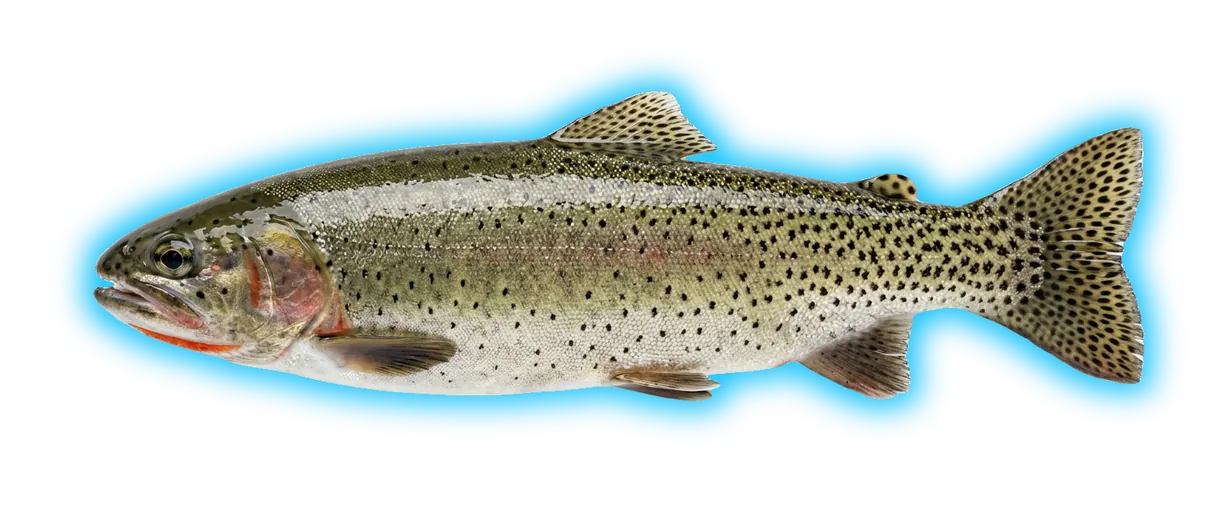
Cutthroat Trout
Oncorhynchus clarkii
Also known as
Sea-run Cutthroat Trout, Blue-back Trout, Harvest Trout
About the Cutthroat Trout
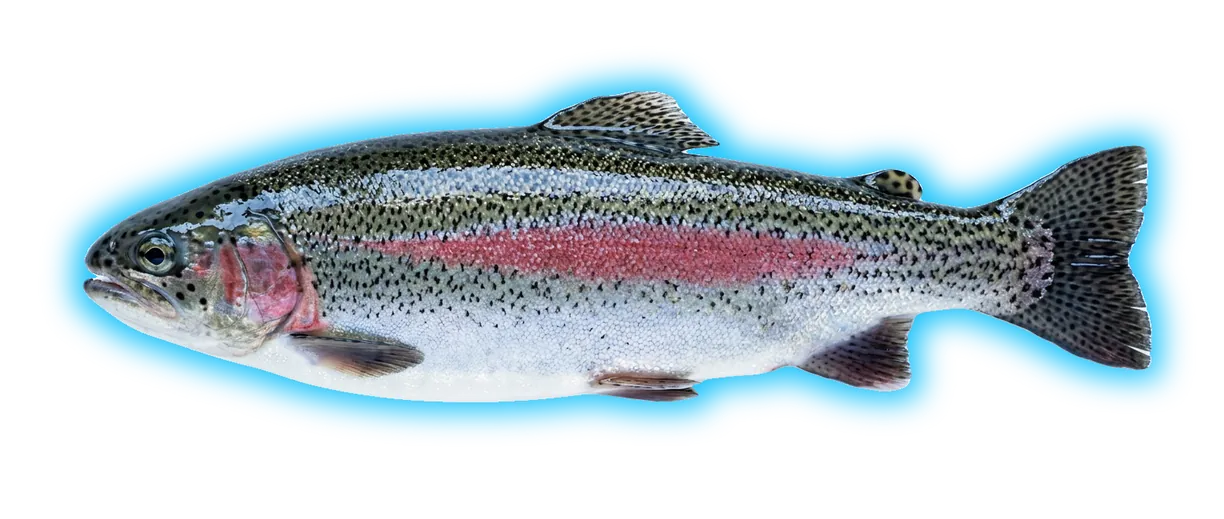
The Cutthroat Trout is most distinctively identified by the prominent red or orange 'slashes' located in the fold under its lower jaw, which can vary in intensity among individuals. Their body coloration is remarkably adaptable, often ranging from an olive-green to a vibrant silvery hue, typically adorned with numerous dark spots that become more concentrated towards the tail. These predatory fish possess a sleek, torpedo-shaped body and a relatively large mouth that extends past the eye. Overall, they are a beautiful and easily recognizable trout species.
Source: FishBase & iNaturalist
Habitat
Cutthroat Trout demonstrate incredible adaptability, thriving in a diverse range of aquatic environments. They are commonly found in cool, clear freshwater streams, small to medium-sized rivers, and expansive lake systems. The anadromous, or sea-run, forms undertake migrations between freshwater spawning grounds and nutrient-rich saltwater estuaries or nearshore ocean environments, consistently seeking out areas with ample cover and a steady food supply.
Distribution
Native exclusively to Western North America, the Cutthroat Trout's extensive native range spans from Northern California, through Oregon, Washington, and British Columbia, extending northward into Alaska. Various distinct subspecies occupy specific river basins, coastal waters, and high-alpine lakes within this vast geographic area.
Behaviour
These trout are notoriously opportunistic feeders, known for their aggressive strikes on a wide variety of prey. In freshwater environments, their diet primarily consists of aquatic and terrestrial insects, small baitfish, and crustaceans. Sea-run forms expand their menu in marine waters, targeting larger baitfish and shrimp. They exhibit diverse migratory patterns; some populations remain resident in freshwater year-round, while others undertake significant seasonal migrations between fresh and saltwater, often returning to their natal streams for spawning.
Edibility
★★★★★
Cutthroat Trout are generally regarded as excellent table fare by many anglers, offering a delicate, flaky, and mild-flavored flesh that can range from white to a light pink. They are best enjoyed fresh, lending themselves well to pan-frying, grilling, or smoking.
Lure suggestion
Cutthroat Trout are often eager to strike, making them a favorite target for anglers with various techniques. For stream and river fishing, small spinnerbaits, spoons (like Kastmasters or Dardevles), and a wide array of fly patterns including dry flies (caddis, mayflies), nymphs, and streamers are highly effective. In lake environments, trolled spoons, small plugs, or drifted natural baits such as worms and PowerBait can yield success. Sea-run cutthroat in estuaries and nearshore areas respond well to flies imitating baitfish or shrimp, small jigs, and silver spoons.
Cutthroat Trout Regulations
Select a state to see size limits, bag limits, and seasons for Cutthroat Trout.
Select a state
Always confirm with the official state agency before keeping a fish.
Recent Catches
Biggest Cutthroat Trout
Tips & Tactics
Summer Flounder from the New Jersey Surf: A Complete Guide
How to catch summer flounder (fluke) from the New Jersey beach — when and where to go, the best rigs, baits, and retrieves, and the gear that gets it done.
My Review of the Hobie Fleet: What's Best for Saltwater Kayak Fishing
A hands-on review of every Hobie MirageDrive fishing kayak and which model makes the most sense for inshore and open-water saltwater fishing.
How to Jig Giant Plastic Eels for 40"+ Striped Bass
The complete guide to fishing oversized soft plastic eels for trophy striped bass — gear, technique, locations, and timing.
Related Species
Where to Catch Cutthroat Trout
States where Cutthroat Trout is found, based on CatchVault's waterbody commonality data.
Think You Can Top the Leaderboard?
CatchVault is available on iOS. Download the app, log your Cutthroat Trout catch, and see where you rank.