Water Type
Freshwater
Also known as
silver bass, sand bass
IUCN status
Least ConcernAbout the White Bass
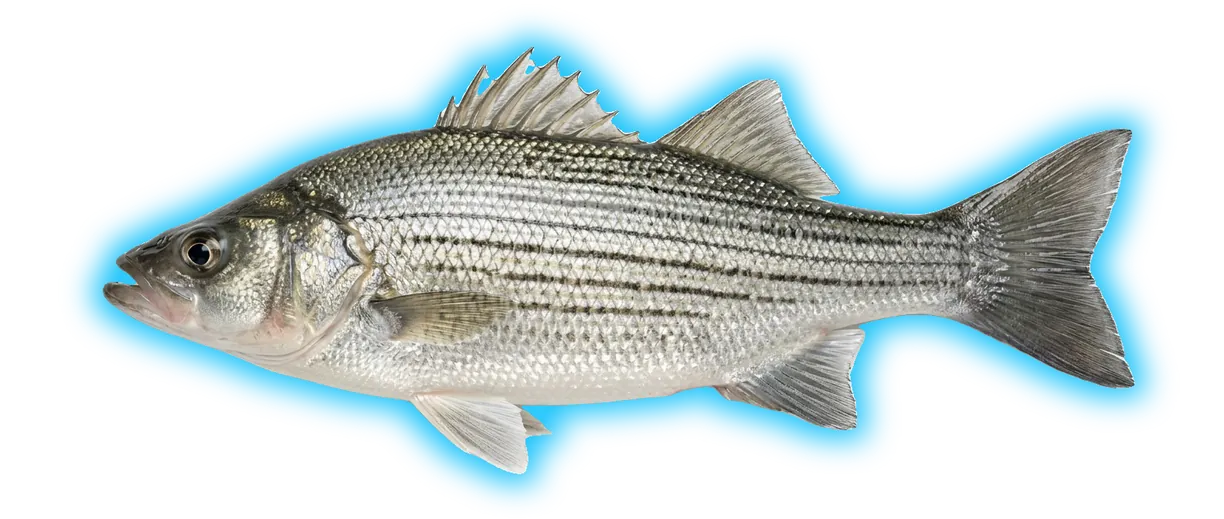
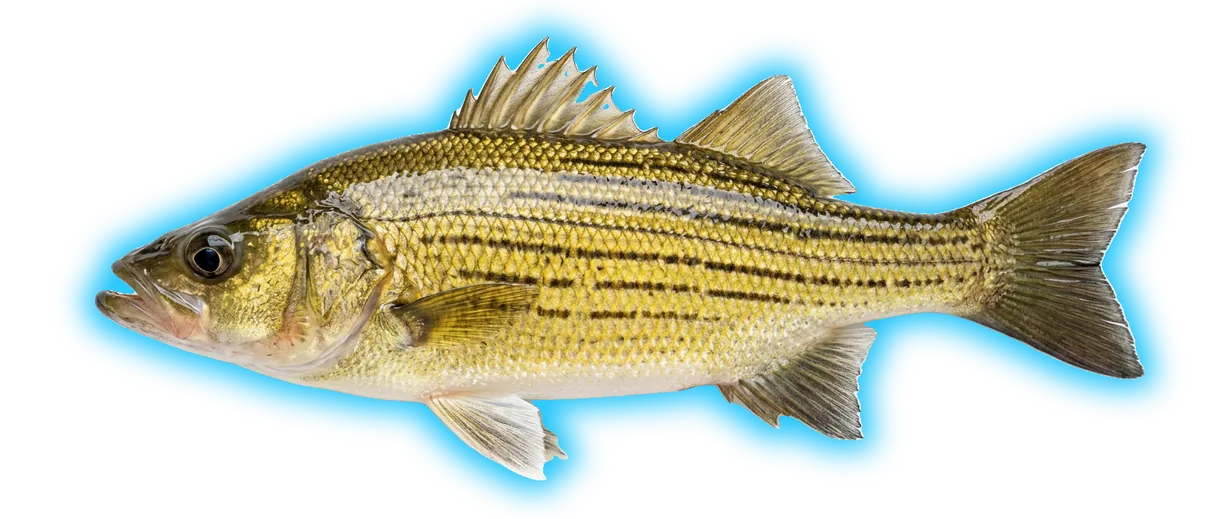
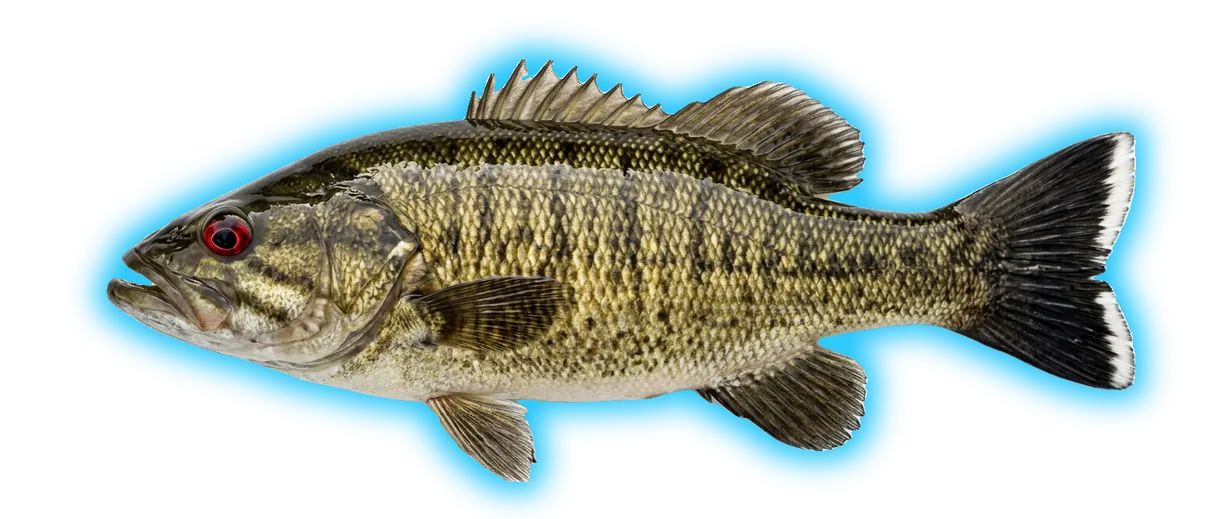
The White Bass is a sleek, silvery fish, typically sporting several prominent horizontal dark stripes along its flanks. Its body is deep and compressed, giving it a somewhat stout appearance, especially compared to its striped bass relatives. You'll often find a distinct hump behind its head. Adults usually range from 10-15 inches, making them a fun, hard-fighting catch.
Source: FishBase & iNaturalist
White Bass Size & Bag Limits by State
White Bass rules in 32 states.
| State | Size limit | Daily bag | Season |
|---|---|---|---|
| AlabamaYear-round | None | 15 | Year-round |
| ArizonaYear-round | None | No limit | Year-round |
| ArkansasYear-round | None | 25 | Year-round |
| CaliforniaYear-round | None | No limit | Year-round |
| ColoradoYear-round | None | 10 | Year-round |
| FloridaYear-round | None | 20 | Year-round |
| GeorgiaYear-round | None | 15 | Year-round |
| IllinoisYear-round | None | 3 | Year-round |
| IndianaYear-round | None | 12 | Year-round |
| IowaYear-round | None | No limit | Year-round |
| KansasYear-round | None | No limit | Year-round |
| KentuckyYear-round | None | 15 | Year-round |
| LouisianaYear-round | None | 50 | Year-round |
| MichiganYear-round | None | 10 | Year-round |
| MinnesotaYear-round | None | 30 | Year-round |
| MissouriYear-round | None | 15 | Year-round |
| NebraskaYear-round | None | 15 | Year-round |
| NevadaLahontan ReservoirYear-round | None | 15 | Year-round |
| Eastern RegionYear-round | None | 15 | Year-round |
| Southern RegionYear-round | None | 15 | Year-round |
| Western RegionYear-round | None | 15 | Year-round |
| Washoe LakeYear-round | None | — | Year-round |
| New MexicoYear-round | None | 25 | Year-round |
| North CarolinaYear-round | None | 10 | Year-round |
| North DakotaYear-round | None | 30 | Year-round |
| OhioYear-round | None | 30 | Year-round |
| OklahomaYear-round | None | No limit | Year-round |
| PennsylvaniaYear-round | None | 50 | Year-round |
| South CarolinaStatewide freshwaterYear-round | None | 10 | Year-round |
| Statewide saltwaterYear-round | None | — | Year-round |
| South DakotaYear-round | None | No limit | Year-round |
| TennesseeYear-round | None | 15 | Year-round |
| TexasYear-round | 10" min | 25 | Year-round |
| UtahYear-round | None | No limit | Year-round |
| VirginiaYear-round | None | 5 | Year-round |
| West VirginiaYear-round | None | 30 | Year-round |
| WisconsinYear-round | None | No limit | Year-round |
— means the state sets no daily bag number for this species.
Statewide rules, or each area where a state sets limits by region. Many lakes and rivers have their own limits; pick a state or open its regulations page for water-specific rules. Always confirm with the state wildlife agency before keeping a fish.
Rules for a specific state
Pick a state to see its White Bass rules, including lakes and rivers with their own limits.
Select a state
Always confirm with the official state agency before keeping a fish.
Best bait and lures for White Bass
White Bass are aggressive and will strike a variety of lures. Small inline spinners, spoons (like Kastmasters or Roostertails), and jigging spoons are highly effective. For schooling fish, cast into the melee with a small crankbait or a white jig with a curly-tail grub. During spring runs, small jigs and roadrunners worked slowly are deadly.
Is White Bass good to eat?
★★★★★
Excellent table fare when fresh, the White Bass offers firm, flaky, white meat with a mild flavor. It's best enjoyed soon after catching; some anglers prefer to remove the red meat along the lateral line to enhance the flavor.
White Bass habitat
This freshwater species thrives in large lakes, reservoirs, and rivers, particularly those with clear to moderately turbid water. They prefer open water but will often congregate around underwater humps, points, and channel edges, especially when actively feeding. Look for them in areas with good baitfish populations.
Where White Bass are found
Native to the central and eastern portions of North America, the White Bass is widely distributed throughout the Mississippi River basin and the Great Lakes. They are found from the Gulf Coast states north into Canada.
White Bass behavior
White Bass are highly social, schooling predators, often seen in large groups chasing baitfish near the surface during feeding frenzies, particularly at dawn and dusk. They undertake significant spawning runs up rivers and into shallow creek arms in early spring when water temperatures rise. During summer, they often hold in deeper, cooler water but will rise to feed on schools of shad.
Biggest White Bass
No catches logged yet for White Bass.
Be the first, download CatchVault and log your catch!
Tips & Tactics
Steelhead vs Rainbow Trout: Same Fish, Different Legal Rules
Steelhead and rainbow trout are the same species. How state laws define steelhead by length and water, the adipose fin rule, and how to tell them apart.
Almaco Jack vs Amberjack: Greater, Lesser & Rudderfish ID
Almaco jack vs greater amberjack vs lesser amberjack vs banded rudderfish: eye stripe, fin lobes, spine counts, and why a wrong ID can break size limits.
Channel vs Blue vs White vs Flathead Catfish: ID Guide
Tell channel, blue, white and flathead catfish apart by anal fin, tail and jaw, plus hardhead vs gafftop. Why the ID matters for limits and invasives.
Related Species
Where to Catch White Bass
States where White Bass is found, based on CatchVault's waterbody commonality data.
Think You Can Top the Leaderboard?
CatchVault is available on iPhone and Android. Download the app, log your White Bass catch, and see where you rank.