Water Type
Freshwater
Also known as
rock perch,goggle-eye,red eye
About the Rock Bass
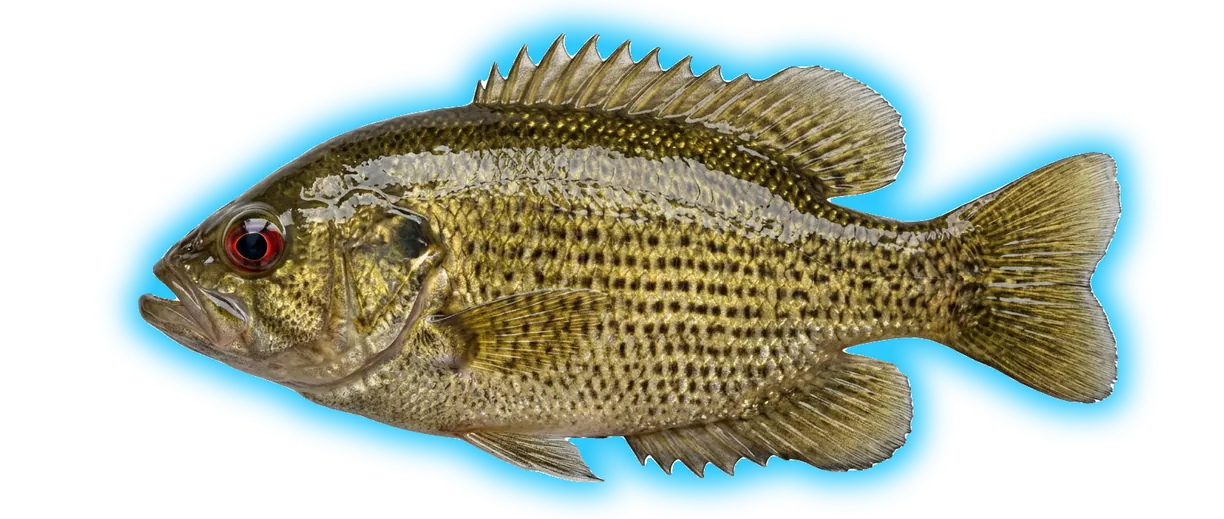
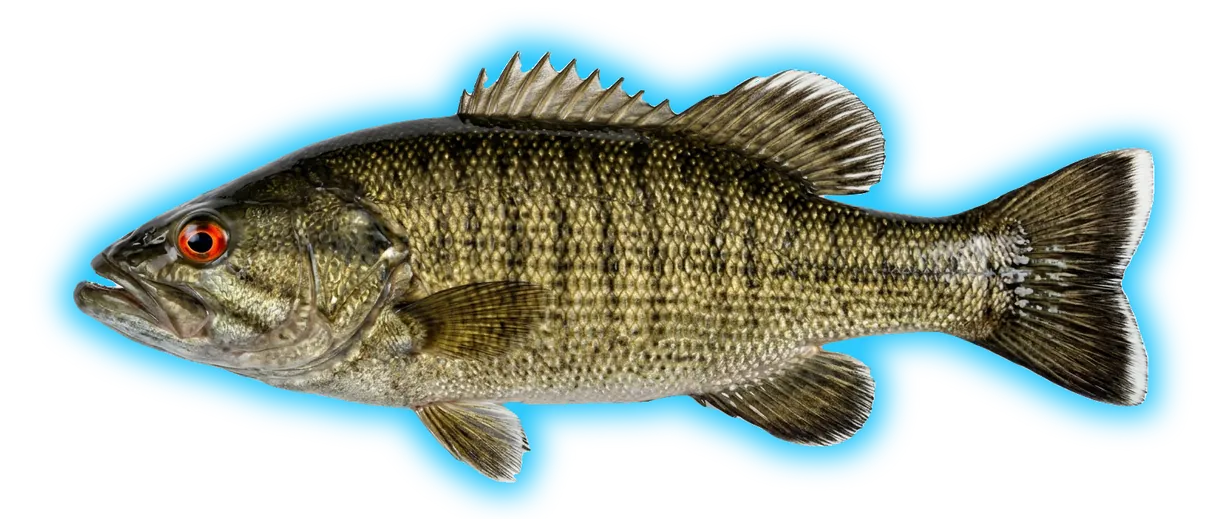
The Rock Bass is a stout-bodied freshwater fish known for its prominent red eyes. Its body is typically olive-brown to brassy, often mottled with darker spots, providing excellent camouflage in rocky environments. A distinguishing feature for anglers is the presence of six spines in its anal fin, setting it apart from other sunfish species which typically have only three. They possess a relatively large mouth, indicative of their predatory nature.
Source: FishBase & iNaturalist
Rock Bass Size & Bag Limits by State
Rock Bass rules in 26 states.
| State | Size limit | Daily bag | Season |
|---|---|---|---|
| AlabamaYear-round | None | 50 | Year-round |
| ArkansasYear-round | None | 10 | Year-round |
| GeorgiaYear-round | None | 50 | Year-round |
| IllinoisMississippi River (IL/IA portion)Year-round | None | 25 | Year-round |
| Ohio RiverYear-round | None | 15 | Year-round |
| Mississippi River — BETWEEN IL & IAYear-round | None | 25 | Year-round |
| OHIO RIVER (BETWEEN IL & KY) (Multiple Cos.)Year-round | None | 15 | Year-round |
| IndianaYear-round | None | 25 | Year-round |
| IowaYear-round | None | No limit | Year-round |
| KansasYear-round | None | No limit | Year-round |
| KentuckyYear-round | None | 15 | Year-round |
| MarylandYear-round | None | 15 | Year-round |
| MichiganYear-round | None | 25 | Year-round |
| MinnesotaYear-round | None | 30 | Year-round |
| MissouriYear-round | 7" min | 15 | Year-round |
| NebraskaYear-round | None | 15 | Year-round |
| New HampshireYear-round | None | No limit | Year-round |
| New JerseyYear-round | None | 25 | Year-round |
| North CarolinaInland Waters East of I-77Year-round | 8" min | 2 | Year-round |
| OhioYear-round | None | No limit | Year-round |
| PennsylvaniaYear-round | None | 50 | Year-round |
| South DakotaYear-round | None | No limit | Year-round |
| TennesseeYear-round | None | 20 | Year-round |
| VermontYear-round | None | 50 | Year-round |
| VirginiaYear-round | None | 25 | Year-round |
| WashingtonYear-round · Lakes, ponds & reservoirs: year-round | None | No limit | Year-round · Lakes, ponds & reservoirs: year-round |
| West VirginiaYear-round | None | 30 | Year-round |
| WisconsinYear-round | None | No limit | Year-round |
| WyomingYear-round | None | 50 | Year-round |
Statewide rules, or each area where a state sets limits by region. Many lakes and rivers have their own limits; pick a state or open its regulations page for water-specific rules. Always confirm with the state wildlife agency before keeping a fish.
Rules for a specific state
Pick a state to see its Rock Bass rules, including lakes and rivers with their own limits.
Select a state
Always confirm with the official state agency before keeping a fish.
How big do Rock Bass get?
The biggest Rock Bass logged on CatchVault measured 6".
Best bait and lures for Rock Bass
Anglers targeting Rock Bass will find success with small artificial lures such as micro jigs, inline spinners, and small crankbaits. Natural baits like worms, crickets, and small minnows are also highly effective. Focus your efforts around rocky bottoms, submerged timber, and weed lines, and use light tackle for the best experience.
Is Rock Bass good to eat?
★★★★★
Rock Bass offer a surprisingly pleasant, firm, white flesh with a mild flavor. While they don't grow to large sizes, a mess of pan-sized rock bass can make for an enjoyable meal, particularly when fried.
Rock Bass habitat
These hardy fish favor cool, clear waters in rivers, streams, and lakes. They are most commonly found in rocky areas, often congregating around submerged structures, fallen trees, weed beds, and bridge pilings where they can ambush prey and find cover.
Where Rock Bass are found
Native to east-central North America, the Rock Bass is widespread throughout the Great Lakes basin, the Mississippi River drainage, and various Atlantic slope river systems. They are a common catch across a broad geographic range.
Rock Bass behavior
Rock Bass are opportunistic feeders, preying on small fish, insects, crustaceans, and aquatic larvae. They are often active during the day, holding tight to cover and darting out to ambush unsuspecting prey. While they can be solitary, they are also frequently found in loose aggregations near prime feeding and cover areas, especially smaller individuals.
Recent Catches
Biggest Rock Bass
Tips & Tactics
Steelhead vs Rainbow Trout: Same Fish, Different Legal Rules
Steelhead and rainbow trout are the same species. How state laws define steelhead by length and water, the adipose fin rule, and how to tell them apart.
Almaco Jack vs Amberjack: Greater, Lesser & Rudderfish ID
Almaco jack vs greater amberjack vs lesser amberjack vs banded rudderfish: eye stripe, fin lobes, spine counts, and why a wrong ID can break size limits.
Channel vs Blue vs White vs Flathead Catfish: ID Guide
Tell channel, blue, white and flathead catfish apart by anal fin, tail and jaw, plus hardhead vs gafftop. Why the ID matters for limits and invasives.
Related Species
Where to Catch Rock Bass
States where Rock Bass is found, based on CatchVault's waterbody commonality data.
Think You Can Top the Leaderboard?
CatchVault is available on iPhone and Android. Download the app, log your Rock Bass catch, and see where you rank.